

Can your old tweets get you fired? Lawyer breaks down the Paystack-Ezra Olubi case
When Paystack fired co-founder Ezra Olubi in late November over allegations of sexual misconduct exposed in resurfaced explicit tweets from over a decade ago, the Nigerian tech community erupted. Some called it corporate accountability. Others cried “trial by Twitter.” But beneath the hot takes and social media outrage lies a complex web of employment laws that most people don’t understand.
Technext sat down with a labour law expert to cut through the noise and get clarity on what actually matters when a case like this lands in court. Here’s what you need to know.
First off, if Olubi decides to challenge his termination legally, it won’t be fought in LinkedIn comment sections.
“All employment and labour disputes in Nigeria fall under the exclusive jurisdiction of the National Industrial Court of Nigeria,” Adebare Akinwunmi, a tech lawyer and partner at CrestHall Attorneys explains.
 Adebare Akinwunmi, a tech lawyer and partner at CrestHall Attorneys
That court will look at multiple factors: The Labour Act, Olubi’s employment contract, Paystack’s internal policies like codes of conduct and staff handbooks, and even international labour standards.
So while everyone is arguing online about what’s fair, what actually matters is what is written in those documents most of us never bother to read when we sign them.
Can a company fire you to protect its reputation?
Here’s where it gets interesting. Nigerian courts now use something called the “proportionality test” to balance a company’s right to protect its image against an employee’s constitutional rights to privacy and freedom of expression.
Akinwunmi puts it plainly: the test “assesses whether the employer’s action was reasonably necessary to safeguard legitimate business interests, particularly where the employee holds a leadership position that carries heightened expectations of trust, responsibility, and public representation.”
Translation? If you’re a co-founder or senior executive, your bar is higher. Your conduct (even your private conduct) reflects on the company in ways that don’t apply to a junior developer or an intern. The court will also examine the employer’s motive, following recent Supreme Court guidance that circumstances and intent now matter significantly in wrongful dismissal cases.
Meanwhile, many modern companies, especially tech startups courting international investors and clients, now include so-called “morality clauses” in their employment contracts. These require employees to conduct themselves in ways that uphold the company’s ethical and reputational standards.
“Where such policies are clearly drafted and properly communicated, they can serve as valid grounds for termination, provided that due process is followed,” Akinwunmi notes.
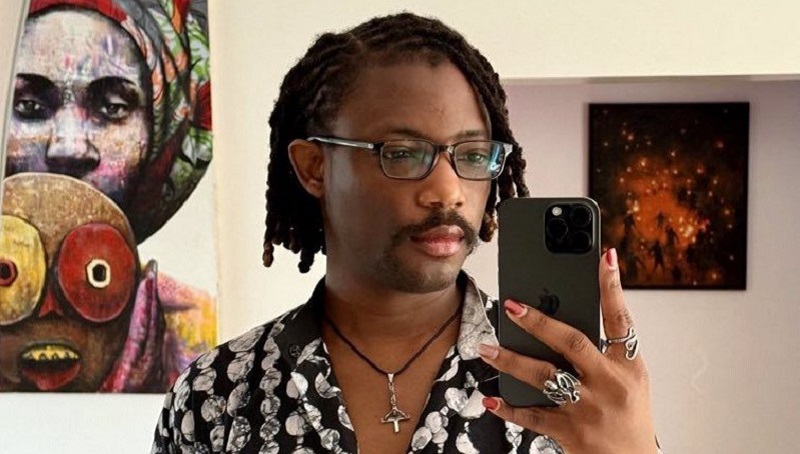 Ezra Olubi
That last part, “provided due process is followed“, is crucial. This is where Olubi’s complaint that he was fired before the investigation concluded might gain traction, depending on what Paystack’s policies actually require.
What about those old tweets?
Can tweets you posted in 2009, when you were probably a completely different person, really come back to haunt you in 2025?
According to our legal expert: yes, but with caveats.
“Nigerian law allows employers to rely on such posts to the extent that they have present-day reputational consequences. This is especially true for senior executives, whose private conduct may have direct implications for brand perception.”
However, whether those old tweets actually constitute misconduct “depends on the employment contract, the company’s disciplinary framework, and whether they were referenced in the termination process.”
In other words, if Paystack’s termination letter specifically cited tweets from 2013 as grounds for dismissal, they better have a policy that clearly covers that scenario. If not, Olubi might have an argument.
“But what about privacy?” you might ask. Don’t employees have constitutional rights?
Yes, but those rights aren’t absolute, especially for leaders.
“For individuals in leadership roles, the boundary between private life and professional responsibility narrows considerably,” Akinwunmi explains.
Still, Olubi could argue his past posts were taken out of context. The strength of that defence would depend heavily on the actual content and how directly it relates to his role at Paystack.
Here’s a curveball. Paystack isn’t just a Nigerian company anymore. After being acquired by Stripe for over $200 million in 2020, it operates across multiple jurisdictions with different legal standards.
“It’s possible that Nigerian law is not applicable in this scenario due to the multinational nature of the company,” the lawyer points out.
Thus, Paystack might have been operating under international compliance frameworks that have their own rules about investigations and misconduct.
What we don’t know (and why it matters)
Akinwunmi was careful to emphasise what he couldn’t comment on: “I cannot comment on the legality of his termination because I have not reviewed any official documents, such as the employment contract, internal policies and investigative reports, or the company’s formal communications.”
Without seeing those documents, everything is speculation. Corporate statements during crises “are generally crafted to minimise legal exposure and maintain public confidence“, they’re not admissions of wrongdoing.
The bottom line
If this goes to court, the National Industrial Court will examine the specifics: What did Olubi’s contract say? What were Paystack‘s documented policies? Was proper procedure followed? Did the company have legitimate business reasons for acting when and how it did?
Social media outrage won’t matter. Public opinion won’t matter. What will matter is what’s written in black and white and whether both parties followed the rules they agreed to.
 Co-founders of Paystack: Shola Akinlade and Ezra Olubi…
As the lawyer summarises: “The outcome of any dispute would ultimately depend on the specific contractual terms, company policies, and facts presented before the court.“
Everything else is just noise.
The legal perspectives in this article are based on Nigerian employment law and general principles. Specific outcomes depend on case details, contracts, and evidence presented in court.
You May Also Like

Canadian Brand Moose Knuckles Expands Its Global Retail Presence

Tokyo Fashion Brand Expands Into Bitcoin and AI

