The post Inside Andrew Sobko and Argentum AI’s Vision for an Open AI Infrastructure appeared on BitcoinEthereumNews.com. Home » Interviews As AI demand accelerates, the world’s compute supply chain is straining under old assumptions. Andrew Sobko argues that the next era won’t be built in data centers alone—but in globally distributed, human-aligned networks. ‘; } function loadTrinityPlayer(targetWrapper, theme,extras=””) { cleanupPlayer(targetWrapper); // Always clean first ✅ targetWrapper.classList.add(‘played’); // Create script const scriptEl = document.createElement(“script”); scriptEl.setAttribute(“fetchpriority”, “high”); scriptEl.setAttribute(“charset”, “UTF-8”); const scriptURL = new URL(`https://trinitymedia.ai/player/trinity/2900019254/?themeAppearance=${theme}${extras}`); scriptURL.searchParams.set(“pageURL”, window.location.href); scriptEl.src = scriptURL.toString(); // Insert player const placeholder = targetWrapper.querySelector(“.add-before-this”); placeholder.parentNode.insertBefore(scriptEl, placeholder.nextSibling); } function getTheme() { return document.body.classList.contains(“dark”) ? “dark” : “light”; } // Initial Load for Desktop if (window.innerWidth > 768) { const desktopBtn = document.getElementById(“desktopPlayBtn”); if (desktopBtn) { desktopBtn.addEventListener(“click”, function () { const desktopWrapper = document.querySelector(“.desktop-player-wrapper.trinity-player-iframe-wrapper”); if (desktopWrapper) loadTrinityPlayer(desktopWrapper, getTheme(),’&autoplay=1′); }); } } // Mobile Button Click const mobileBtn = document.getElementById(“mobilePlayBtn”); if (mobileBtn) { mobileBtn.addEventListener(“click”, function () { const mobileWrapper = document.querySelector(“.mobile-player-wrapper.trinity-player-iframe-wrapper”); if (mobileWrapper) loadTrinityPlayer(mobileWrapper, getTheme(),’&autoplay=1′); }); } function reInitButton(container,html){ container.innerHTML = ” + html; } // Theme switcher const destroyButton = document.getElementById(“checkbox”); if (destroyButton) { destroyButton.addEventListener(“click”, () => { setTimeout(() => { const theme = getTheme(); if (window.innerWidth > 768) { const desktopWrapper = document.querySelector(“.desktop-player-wrapper.trinity-player-iframe-wrapper”); if(desktopWrapper.classList.contains(‘played’)){ loadTrinityPlayer(desktopWrapper, theme,’&autoplay=1′); }else{ reInitButton(desktopWrapper,’Listen‘) const desktopBtn = document.getElementById(“desktopPlayBtn”); if (desktopBtn) { desktopBtn.addEventListener(“click”, function () { const desktopWrapper = document.querySelector(“.desktop-player-wrapper.trinity-player-iframe-wrapper”); if (desktopWrapper) loadTrinityPlayer(desktopWrapper,theme,’&autoplay=1’); }); } } } else { const mobileWrapper = document.querySelector(“.mobile-player-wrapper.trinity-player-iframe-wrapper”); if(mobileWrapper.classList.contains(‘played’)){ loadTrinityPlayer(mobileWrapper, theme,’&autoplay=1′); }else{ const mobileBtn = document.getElementById(“mobilePlayBtn”); if (mobileBtn) { mobileBtn.addEventListener(“click”, function () { const mobileWrapper = document.querySelector(“.mobile-player-wrapper.trinity-player-iframe-wrapper”); if (mobileWrapper) loadTrinityPlayer(mobileWrapper,theme,’&autoplay=1′); }); } } } }, 100); }); } })(); Summarize with AI Summarize with AI The quick rise of AI has undoubtedly turned computing into one of the world’s most contested resources. Clouds are now being heavily crowded, hardware is… The post Inside Andrew Sobko and Argentum AI’s Vision for an Open AI Infrastructure appeared on BitcoinEthereumNews.com. Home » Interviews As AI demand accelerates, the world’s compute supply chain is straining under old assumptions. Andrew Sobko argues that the next era won’t be built in data centers alone—but in globally distributed, human-aligned networks. ‘; } function loadTrinityPlayer(targetWrapper, theme,extras=””) { cleanupPlayer(targetWrapper); // Always clean first ✅ targetWrapper.classList.add(‘played’); // Create script const scriptEl = document.createElement(“script”); scriptEl.setAttribute(“fetchpriority”, “high”); scriptEl.setAttribute(“charset”, “UTF-8”); const scriptURL = new URL(`https://trinitymedia.ai/player/trinity/2900019254/?themeAppearance=${theme}${extras}`); scriptURL.searchParams.set(“pageURL”, window.location.href); scriptEl.src = scriptURL.toString(); // Insert player const placeholder = targetWrapper.querySelector(“.add-before-this”); placeholder.parentNode.insertBefore(scriptEl, placeholder.nextSibling); } function getTheme() { return document.body.classList.contains(“dark”) ? “dark” : “light”; } // Initial Load for Desktop if (window.innerWidth > 768) { const desktopBtn = document.getElementById(“desktopPlayBtn”); if (desktopBtn) { desktopBtn.addEventListener(“click”, function () { const desktopWrapper = document.querySelector(“.desktop-player-wrapper.trinity-player-iframe-wrapper”); if (desktopWrapper) loadTrinityPlayer(desktopWrapper, getTheme(),’&autoplay=1′); }); } } // Mobile Button Click const mobileBtn = document.getElementById(“mobilePlayBtn”); if (mobileBtn) { mobileBtn.addEventListener(“click”, function () { const mobileWrapper = document.querySelector(“.mobile-player-wrapper.trinity-player-iframe-wrapper”); if (mobileWrapper) loadTrinityPlayer(mobileWrapper, getTheme(),’&autoplay=1′); }); } function reInitButton(container,html){ container.innerHTML = ” + html; } // Theme switcher const destroyButton = document.getElementById(“checkbox”); if (destroyButton) { destroyButton.addEventListener(“click”, () => { setTimeout(() => { const theme = getTheme(); if (window.innerWidth > 768) { const desktopWrapper = document.querySelector(“.desktop-player-wrapper.trinity-player-iframe-wrapper”); if(desktopWrapper.classList.contains(‘played’)){ loadTrinityPlayer(desktopWrapper, theme,’&autoplay=1′); }else{ reInitButton(desktopWrapper,’Listen‘) const desktopBtn = document.getElementById(“desktopPlayBtn”); if (desktopBtn) { desktopBtn.addEventListener(“click”, function () { const desktopWrapper = document.querySelector(“.desktop-player-wrapper.trinity-player-iframe-wrapper”); if (desktopWrapper) loadTrinityPlayer(desktopWrapper,theme,’&autoplay=1’); }); } } } else { const mobileWrapper = document.querySelector(“.mobile-player-wrapper.trinity-player-iframe-wrapper”); if(mobileWrapper.classList.contains(‘played’)){ loadTrinityPlayer(mobileWrapper, theme,’&autoplay=1′); }else{ const mobileBtn = document.getElementById(“mobilePlayBtn”); if (mobileBtn) { mobileBtn.addEventListener(“click”, function () { const mobileWrapper = document.querySelector(“.mobile-player-wrapper.trinity-player-iframe-wrapper”); if (mobileWrapper) loadTrinityPlayer(mobileWrapper,theme,’&autoplay=1′); }); } } } }, 100); }); } })(); Summarize with AI Summarize with AI The quick rise of AI has undoubtedly turned computing into one of the world’s most contested resources. Clouds are now being heavily crowded, hardware is…

Inside Andrew Sobko and Argentum AI’s Vision for an Open AI Infrastructure

For feedback or concerns regarding this content, please contact us at crypto.news@mexc.com

Home » Interviews


As AI demand accelerates, the world’s compute supply chain is straining under old assumptions. Andrew Sobko argues that the next era won’t be built in data centers alone—but in globally distributed, human-aligned networks.

‘;
}

function loadTrinityPlayer(targetWrapper, theme,extras=””) {
cleanupPlayer(targetWrapper); // Always clean first ✅
targetWrapper.classList.add(‘played’);
// Create script
const scriptEl = document.createElement(“script”);
scriptEl.setAttribute(“fetchpriority”, “high”);
scriptEl.setAttribute(“charset”, “UTF-8”);

const scriptURL = new URL(`https://trinitymedia.ai/player/trinity/2900019254/?themeAppearance=${theme}${extras}`);
scriptURL.searchParams.set(“pageURL”, window.location.href);

scriptEl.src = scriptURL.toString();

// Insert player
const placeholder = targetWrapper.querySelector(“.add-before-this”);
placeholder.parentNode.insertBefore(scriptEl, placeholder.nextSibling);
}

function getTheme() {
return document.body.classList.contains(“dark”) ? “dark” : “light”;
}

// Initial Load for Desktop
if (window.innerWidth > 768) {

const desktopBtn = document.getElementById(“desktopPlayBtn”);
if (desktopBtn) {
desktopBtn.addEventListener(“click”, function () {
const desktopWrapper = document.querySelector(“.desktop-player-wrapper.trinity-player-iframe-wrapper”);
if (desktopWrapper) loadTrinityPlayer(desktopWrapper, getTheme(),’&autoplay=1′);
});
}
}

// Mobile Button Click
const mobileBtn = document.getElementById(“mobilePlayBtn”);
if (mobileBtn) {
mobileBtn.addEventListener(“click”, function () {
const mobileWrapper = document.querySelector(“.mobile-player-wrapper.trinity-player-iframe-wrapper”);
if (mobileWrapper) loadTrinityPlayer(mobileWrapper, getTheme(),’&autoplay=1′);
});
}
function reInitButton(container,html){
container.innerHTML = ” + html;
}

// Theme switcher
const destroyButton = document.getElementById(“checkbox”);
if (destroyButton) {
destroyButton.addEventListener(“click”, () => {
setTimeout(() => {
const theme = getTheme();
if (window.innerWidth > 768) {
const desktopWrapper = document.querySelector(“.desktop-player-wrapper.trinity-player-iframe-wrapper”);
if(desktopWrapper.classList.contains(‘played’)){
loadTrinityPlayer(desktopWrapper, theme,’&autoplay=1′);
}else{
reInitButton(desktopWrapper,’Listen‘)
const desktopBtn = document.getElementById(“desktopPlayBtn”);
if (desktopBtn) {
desktopBtn.addEventListener(“click”, function () {
const desktopWrapper = document.querySelector(“.desktop-player-wrapper.trinity-player-iframe-wrapper”);
if (desktopWrapper) loadTrinityPlayer(desktopWrapper,theme,’&autoplay=1’);
});
}
}
} else {
const mobileWrapper = document.querySelector(“.mobile-player-wrapper.trinity-player-iframe-wrapper”);
if(mobileWrapper.classList.contains(‘played’)){
loadTrinityPlayer(mobileWrapper, theme,’&autoplay=1′);
}else{
const mobileBtn = document.getElementById(“mobilePlayBtn”);
if (mobileBtn) {
mobileBtn.addEventListener(“click”, function () {
const mobileWrapper = document.querySelector(“.mobile-player-wrapper.trinity-player-iframe-wrapper”);
if (mobileWrapper) loadTrinityPlayer(mobileWrapper,theme,’&autoplay=1′);
});
}
}
}
}, 100);
});
}
})();


Summarize with AI


Summarize with AI

The quick rise of AI has undoubtedly turned computing into one of the world’s most contested resources. Clouds are now being heavily crowded, hardware is becoming scarce, and traditional infrastcuture is challenged under unprecedented demand.

In our conversation, Andrew Sobko, the CEO of Argentum AI, reveals that these structural challenges point to an even deeper shift – one where compute becomes liquid, globally distributed, and accessible far beyond today’s availabilities.

In the following interview, he discusses the unexpected bottlenecks behind building a two-sided compute marketplace, the tension between enterprise-grade performance and decentralization, and why he believes that verifiability, trust, and geography-agnostic computing will define the upcoming decade of artificial intelligence.

What inspired you to build a human-friendly, AI-powered compute marketplace like Argentum AI?

Years ago, I built marketplaces in logistics, where supply and demand were fragmented, underutilized, and locked in inefficient systems. Compute felt the same – tons of idle hardware, inflexible cloud options, and limited access for smaller players. As AI workloads exploded, I realized centralized infrastructure wouldn’t scale with demand. We needed a system that worked more like a stock exchange – where supply and demand are liquid, human-friendly, and open. Argentum is the answer to that: a decentralized marketplace where trust, transparency, and participation are built in by design.

What unexpected technical or logistical bottlenecks have you encountered in scaling a two-sided compute marketplace?

Matching compute to demand isn’t just about capacity – it’s about trust, location, hardware variation, and uptime. One early challenge was hardware heterogeneity: GPUs differ wildly in performance, drivers, and thermal behavior. We built a “living benchmark” AI to measure real-world performance dynamically and match jobs accordingly. On the logistical side, onboarding high-quality providers globally – especially in regions with inconsistent internet or legal frameworks – pushed us to build zero-knowledge tools and lightweight node clients. Flexibility and resilience had to be baked in from day one.

How do you balance decentralization with performance, security, and compliance?

That’s the core tension. Pure decentralization can compromise performance; pure centralization kills transparency and resilience. We strike a middle path. Providers are decentralized, but execution is verified cryptographically with real-time telemetry. On performance, we use adaptive routing and benchmark-based matching. For security and compliance, our zero-knowledge trust layer ensures data privacy across borders while smart contracts and staking enforce SLAs. It’s not easy, but it’s critical if you want compute infrastructure to be both open and enterprise-grade.

What structural change will AI bring to the global compute supply chain – and how is Argentum positioned for it?

AI will decouple compute from geography. Today, compute is tied to hyperscale data centers clustered around cheap energy or tax policy. But that won’t scale. AI will need resilient, distributed infrastructure that follows power availability, environmental limits, and sovereignty requirements. Argentum is built for that future. We allow compute jobs to flow to where energy is cleanest, latency is lowest, or regulation is favorable. Think of it as compute liquidity that follows both economics and ethics – something centralized clouds can’t do.

How do you weigh community governance vs. business growth when they pull in different directions?

That’s one of the hardest balances. On one side, token-based governance is core to building trust and long-term alignment. On the other, markets reward speed and adaptability. Our approach is layered: critical protocol changes go through governance, while product iteration and partnerships move fast. We also aim to align incentives so what benefits the community also fuels growth – like rewarding providers with better SLAs, or letting token holders vote on incentives. In short, we treat community not as a brake, but as a compass.

If you could give your founding self one piece of advice, what would it be?

Start building for compliance and cross-border privacy from day one. It’s tempting to optimize for early traction, but real enterprise adoption – especially in AI – hinges on trust, verifiability, and legal clarity. Our zero-knowledge architecture and on-chain auditability were hard lessons earned. I’d also remind myself that decentralization isn’t about removing humans – it’s about designing systems where humans and AI collaborate at scale. That framing has shaped how we’ve built everything from onboarding to benchmarking.

Disclaimer: The content shared in this interview is for informational purposes only and does not constitute financial advice, investment recommendation, or endorsement of any project, protocol, or asset. The cryptocurrency space involves risk and volatility. Readers are encouraged to conduct their own research and consult with qualified professionals before making any financial decisions. This interview was conducted in cooperation with Argentum AI, who generously shared their time and insights. The content has been reviewed and approved for publication in mutual understanding. Minor edits have been made for clarity and readability, while preserving the substance and tone of the original conversation.

SPECIAL OFFER (Exclusive)

SECRET PARTNERSHIP BONUS for CryptoPotato readers: Use this link to register and unlock $1,500 in exclusive BingX Exchange rewards (limited time offer).

Source: https://cryptopotato.com/where-compute-goes-next-inside-andrew-sobko-and-argentum-ais-vision-for-an-open-ai-infrastructure/

Market Opportunity
null Logo
null Price(null)
--
----
USD
null (null) Live Price Chart
Disclaimer: The articles reposted on this site are sourced from public platforms and are provided for informational purposes only. They do not necessarily reflect the views of MEXC. All rights remain with the original authors. If you believe any content infringes on third-party rights, please contact crypto.news@mexc.com for removal. MEXC makes no guarantees regarding the accuracy, completeness, or timeliness of the content and is not responsible for any actions taken based on the information provided. The content does not constitute financial, legal, or other professional advice, nor should it be considered a recommendation or endorsement by MEXC.

You May Also Like

Nvidia CEO Says AI Skills Beat Degrees in Hiring

Nvidia CEO Says AI Skills Beat Degrees in Hiring

Nvidia CEO Prioritizes AI Skills, Says AI-Fluent Graduates Will Be Hired Every Time In a statement that underscores the rapidly shifting demands of the global w
Share
Hokanews2026/03/25 03:25
China Launches Cross-Border QR Code Payment Trial

China Launches Cross-Border QR Code Payment Trial

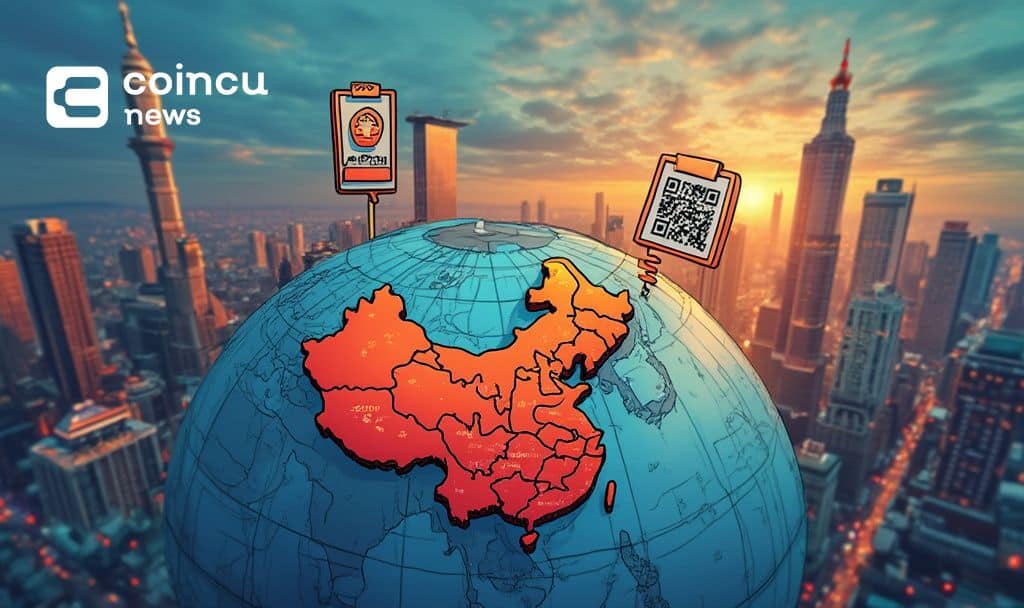
The post China Launches Cross-Border QR Code Payment Trial appeared on BitcoinEthereumNews.com. Key Points: Main event involves China initiating a cross-border QR code payment trial. Alipay and Ant International are key participants. Impact on financial security and regulatory focus on illicit finance. China’s central bank, led by Deputy Governor Lu Lei, initiated a trial of a unified cross-border QR code payment gateway with Alipay and Ant International as participants. This pilot addresses cross-border fund risks, aiming to enhance financial security amid rising money laundering through digital channels, despite muted crypto market reactions. China’s Cross-Border Payment Gateway Trial with Alipay The trial operation of a unified cross-border QR code payment gateway marks a milestone in China’s financial landscape. Prominent entities such as Alipay and Ant International are at the forefront, participating as the initial institutions in this venture. Lu Lei, Deputy Governor of the People’s Bank of China, highlighted the systemic risks posed by increased cross-border fund flows. Changes are expected in the dynamics of digital transactions, potentially enhancing transaction efficiency while tightening regulations around illicit finance. The initiative underscores China’s commitment to bolstering financial security amidst growing global fund movements. “The scale of cross-border fund flows is expanding, and the frequency is accelerating, providing opportunities for risks such as cross-border money laundering and terrorist financing. Some overseas illegal platforms transfer funds through channels such as virtual currencies and underground banks, creating a ‘resonance’ of risks at home and abroad, posing a challenge to China’s foreign exchange management and financial security.” — Lu Lei, Deputy Governor, People’s Bank of China Bitcoin and Impact of China’s Financial Initiatives Did you know? China’s latest initiative echoes the Payment Connect project of June 2025, furthering real-time cross-boundary remittances and expanding its influence on global financial systems. As of September 17, 2025, Bitcoin (BTC) stands at $115,748.72 with a market cap of $2.31 trillion, showing a 0.97%…
Share
BitcoinEthereumNews2025/09/18 05:28
Solana Price Prediction Needs a Year to Match What Pepeto Targets on Listing Day

Solana Price Prediction Needs a Year to Match What Pepeto Targets on Listing Day

While the solana price prediction eyes a recovery toward $294, Pepeto is attracting attention with growth potential that could surpass SOL’s next rally. CME Group
Share
Techbullion2026/03/25 03:17