The post BlackRock and Coinbase CEOs Discuss Bitcoin’s Potential Mainstream Role in Evolving U.S. Regulations appeared on BitcoinEthereumNews.com. BlackRock CEO Larry Fink and Coinbase CEO Brian Armstrong highlighted growing institutional interest and U.S. legislative progress as key drivers pulling Bitcoin and digital assets into mainstream finance during their New York Times DealBook Summit interview. Regulatory Shift: 2025 marks the transition of crypto from gray market to established finance with the passage of the Genius Act and bipartisan market-structure bills. Institutional adoption is accelerating, with leaders like Fink evolving views on Bitcoin’s role as digital gold amid economic uncertainty. Over $78 million raised by Fairshake SuperPAC in 2024 supported pro-crypto candidates, signaling strong political momentum for clear rules benefiting 52 million American users. Explore BlackRock and Coinbase executives’ insights on Bitcoin regulation and tokenization. Discover how institutional interest is reshaping crypto’s future—read key takeaways now. What Did BlackRock and Coinbase Leaders Say About Bitcoin Regulation in 2025? BlackRock and Coinbase leaders emphasized that 2025 represents a pivotal year for Bitcoin regulation, moving the industry from regulatory uncertainty to structured oversight. During their joint appearance at the New York Times DealBook Summit, CEO Larry Fink and CEO Brian Armstrong discussed how recent legislative wins, including the Genius Act and a bipartisan market-structure bill advancing to the Senate, are fostering mainstream integration. They highlighted how these developments address past policy challenges and promote innovation in digital assets. How Is Institutional Interest Driving Crypto Adoption? Institutional interest in crypto, particularly Bitcoin, is surging as major players recognize its potential as a hedge against financial instability. Larry Fink, who once viewed Bitcoin skeptically, now sees it as a significant asset class, influenced by ongoing dialogues with thousands of clients and global leaders annually. “I see a big, large use case for Bitcoin, and I still do today,” Fink stated, underscoring a personal evolution in perspective driven by market realities. Brian Armstrong echoed this… The post BlackRock and Coinbase CEOs Discuss Bitcoin’s Potential Mainstream Role in Evolving U.S. Regulations appeared on BitcoinEthereumNews.com. BlackRock CEO Larry Fink and Coinbase CEO Brian Armstrong highlighted growing institutional interest and U.S. legislative progress as key drivers pulling Bitcoin and digital assets into mainstream finance during their New York Times DealBook Summit interview. Regulatory Shift: 2025 marks the transition of crypto from gray market to established finance with the passage of the Genius Act and bipartisan market-structure bills. Institutional adoption is accelerating, with leaders like Fink evolving views on Bitcoin’s role as digital gold amid economic uncertainty. Over $78 million raised by Fairshake SuperPAC in 2024 supported pro-crypto candidates, signaling strong political momentum for clear rules benefiting 52 million American users. Explore BlackRock and Coinbase executives’ insights on Bitcoin regulation and tokenization. Discover how institutional interest is reshaping crypto’s future—read key takeaways now. What Did BlackRock and Coinbase Leaders Say About Bitcoin Regulation in 2025? BlackRock and Coinbase leaders emphasized that 2025 represents a pivotal year for Bitcoin regulation, moving the industry from regulatory uncertainty to structured oversight. During their joint appearance at the New York Times DealBook Summit, CEO Larry Fink and CEO Brian Armstrong discussed how recent legislative wins, including the Genius Act and a bipartisan market-structure bill advancing to the Senate, are fostering mainstream integration. They highlighted how these developments address past policy challenges and promote innovation in digital assets. How Is Institutional Interest Driving Crypto Adoption? Institutional interest in crypto, particularly Bitcoin, is surging as major players recognize its potential as a hedge against financial instability. Larry Fink, who once viewed Bitcoin skeptically, now sees it as a significant asset class, influenced by ongoing dialogues with thousands of clients and global leaders annually. “I see a big, large use case for Bitcoin, and I still do today,” Fink stated, underscoring a personal evolution in perspective driven by market realities. Brian Armstrong echoed this…

BlackRock and Coinbase CEOs Discuss Bitcoin’s Potential Mainstream Role in Evolving U.S. Regulations

For feedback or concerns regarding this content, please contact us at crypto.news@mexc.com
  • Regulatory Shift: 2025 marks the transition of crypto from gray market to established finance with the passage of the Genius Act and bipartisan market-structure bills.

  • Institutional adoption is accelerating, with leaders like Fink evolving views on Bitcoin’s role as digital gold amid economic uncertainty.

  • Over $78 million raised by Fairshake SuperPAC in 2024 supported pro-crypto candidates, signaling strong political momentum for clear rules benefiting 52 million American users.

Explore BlackRock and Coinbase executives’ insights on Bitcoin regulation and tokenization. Discover how institutional interest is reshaping crypto’s future—read key takeaways now.

What Did BlackRock and Coinbase Leaders Say About Bitcoin Regulation in 2025?

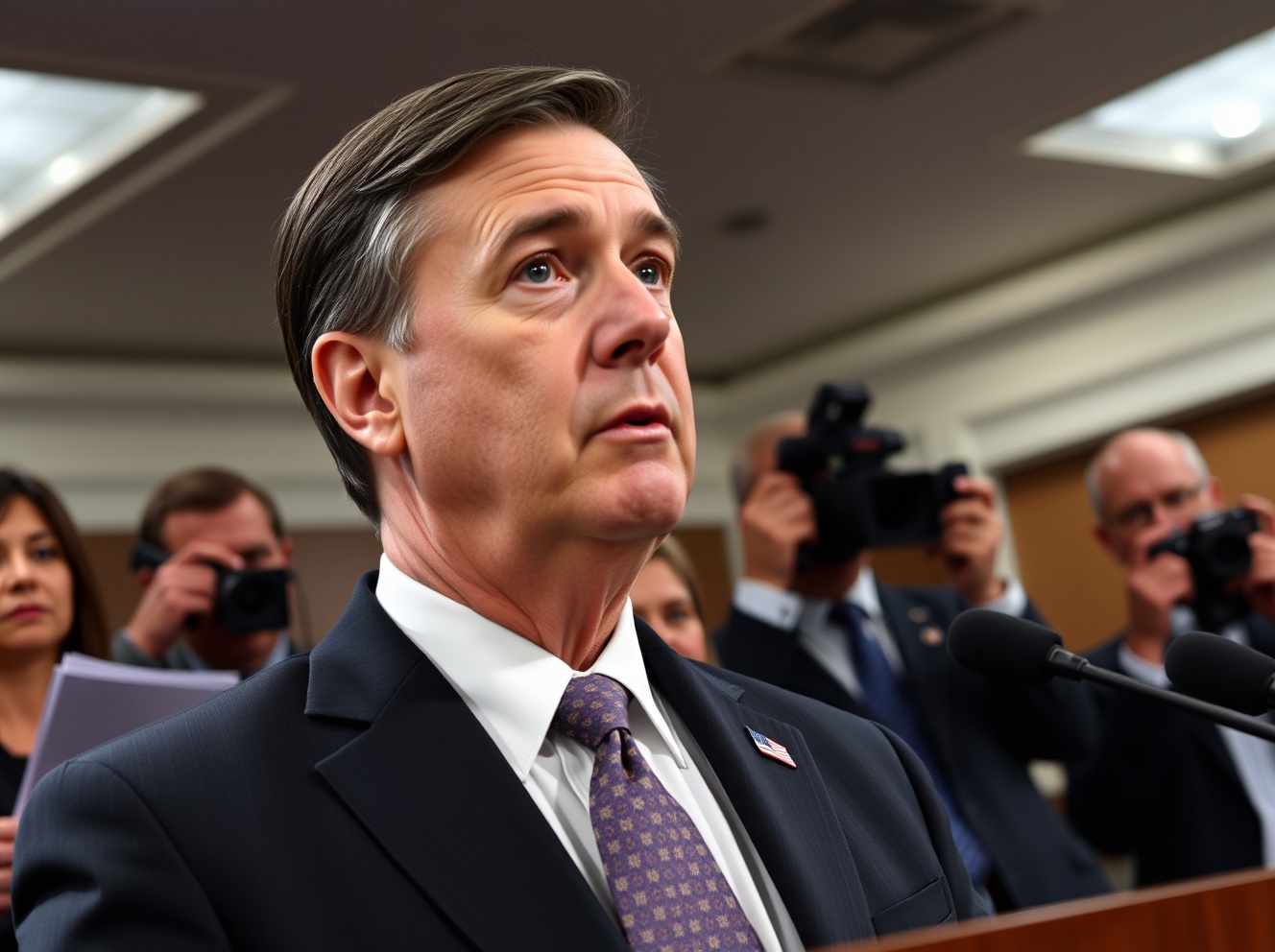
BlackRock and Coinbase leaders emphasized that 2025 represents a pivotal year for Bitcoin regulation, moving the industry from regulatory uncertainty to structured oversight. During their joint appearance at the New York Times DealBook Summit, CEO Larry Fink and CEO Brian Armstrong discussed how recent legislative wins, including the Genius Act and a bipartisan market-structure bill advancing to the Senate, are fostering mainstream integration. They highlighted how these developments address past policy challenges and promote innovation in digital assets.

How Is Institutional Interest Driving Crypto Adoption?

Institutional interest in crypto, particularly Bitcoin, is surging as major players recognize its potential as a hedge against financial instability. Larry Fink, who once viewed Bitcoin skeptically, now sees it as a significant asset class, influenced by ongoing dialogues with thousands of clients and global leaders annually. “I see a big, large use case for Bitcoin, and I still do today,” Fink stated, underscoring a personal evolution in perspective driven by market realities.

Brian Armstrong echoed this sentiment, pointing to Bitcoin’s resilience against earlier criticisms from figures like Warren Buffett and Charlie Munger, who dismissed it as worthless. “There’s no chance of that happening at this point,” Armstrong asserted, framing Bitcoin as “digital gold” that thrives in uncertain times. He explained that traditional finance icons, shaped by an era of U.S. dollar dominance, struggle with the decentralized nature of blockchain technology.

Data supports this shift: Institutional inflows into Bitcoin ETFs have exceeded expectations, with BlackRock’s own offerings playing a central role. According to reports from financial analysts, tokenized assets could represent up to 10% of global GDP by 2030, per Boston Consulting Group estimates. Armstrong also addressed stablecoins, predicting banks will soon integrate them to offer yields, countering fears of deposit flight. “The best banks are leaning into this as an opportunity,” he noted, referencing Clayton Christensen’s Innovator’s Dilemma to illustrate how resistance to change could sideline laggards.

Expert insights further bolster this narrative. Regulatory experts from organizations like the Chamber of Digital Commerce have praised the bipartisan progress, noting it provides clarity on custody, trading, and compliance—essential for scaling institutional participation. This convergence of policy and market forces is not speculative; it’s evidenced by the $78 million raised by Fairshake, a crypto advocacy group, during the 2024 election cycle to back supportive lawmakers.

Frequently Asked Questions

What Impact Did the Previous Administration Have on Crypto Legislation?

The previous Biden Administration’s policies were criticized for attempting to stifle the industry through stringent enforcement, driving activities offshore and impacting consumers. Armstrong highlighted support for groups like Fairshake to advocate for transparent rules, benefiting the 52 million Americans engaged with crypto and ensuring all political efforts remain accountable.

Why Is Bitcoin Seen as an Asset of Fear by Some Executives?

Bitcoin is often described as an “asset of fear” because investors turn to it during periods of economic or geopolitical uncertainty to protect against fiat currency debasement from deficits. Larry Fink explained that while it serves as a store of value akin to gold, its appeal stems from concerns over physical and financial security in turbulent times.

Key Takeaways

  • Legislative Momentum: The Genius Act and market-structure bills signal 2025 as crypto’s breakthrough year for regulation, enhancing trust and integration.
  • Evolving Perspectives: Leaders like Fink have shifted from skepticism to endorsement, viewing Bitcoin as digital gold amid institutional demand.
  • Bank Adaptation: Stablecoins challenge traditional banking, but forward-thinking institutions will embrace them for yields, avoiding obsolescence.

Conclusion

The dialogue between BlackRock’s Larry Fink and Coinbase’s Brian Armstrong at the New York Times DealBook Summit underscores a transformative moment for Bitcoin regulation and institutional interest in digital assets. With bipartisan legislation paving the way and tokenization poised to redefine finance, the industry is entering a phase of stability and growth. As crypto matures, stakeholders should monitor upcoming Senate actions and prepare for broader adoption—opportunities abound for informed investors and innovators alike.

Source: https://en.coinotag.com/blackrock-and-coinbase-ceos-discuss-bitcoins-potential-mainstream-role-in-evolving-u-s-regulations

Market Opportunity
Union Logo
Union Price(U)
$0.0008075
$0.0008075$0.0008075
-9.43%
USD
Union (U) Live Price Chart
Disclaimer: The articles reposted on this site are sourced from public platforms and are provided for informational purposes only. They do not necessarily reflect the views of MEXC. All rights remain with the original authors. If you believe any content infringes on third-party rights, please contact crypto.news@mexc.com for removal. MEXC makes no guarantees regarding the accuracy, completeness, or timeliness of the content and is not responsible for any actions taken based on the information provided. The content does not constitute financial, legal, or other professional advice, nor should it be considered a recommendation or endorsement by MEXC.

You May Also Like

3 Paradoxes of Altcoin Season in September

3 Paradoxes of Altcoin Season in September

The post 3 Paradoxes of Altcoin Season in September appeared on BitcoinEthereumNews.com. Analyses and data indicate that the crypto market is experiencing its most active altcoin season since early 2025, with many altcoins outperforming Bitcoin. However, behind this excitement lies a paradox. Most retail investors remain uneasy as their portfolios show little to no profit. This article outlines the main reasons behind this situation. Altcoin Market Cap Rises but Dominance Shrinks Sponsored TradingView data shows that the TOTAL3 market cap (excluding BTC and ETH) reached a new high of over $1.1 trillion in September. Yet the share of OTHERS (excluding the top 10) has declined since 2022, now standing at just 8%. OTHERS Dominance And TOTAL3 Capitalization. Source: TradingView. In past cycles, such as 2017 and 2021, TOTAL3 and OTHERS.D rose together. That trend reflected capital flowing not only into large-cap altcoins but also into mid-cap and low-cap ones. The current divergence shows that capital is concentrated in stablecoins and a handful of top-10 altcoins such as SOL, XRP, BNB, DOG, HYPE, and LINK. Smaller altcoins receive far less liquidity, making it hard for their prices to return to levels where investors previously bought. This creates a situation where only a few win while most face losses. Retail investors also tend to diversify across many coins instead of adding size to top altcoins. That explains why many portfolios remain stagnant despite a broader market rally. Sponsored “Position sizing is everything. Many people hold 25–30 tokens at once. A 100x on a token that makes up only 1% of your portfolio won’t meaningfully change your life. It’s better to make a few high-conviction bets than to overdiversify,” analyst The DeFi Investor said. Altcoin Index Surges but Investor Sentiment Remains Cautious The Altcoin Season Index from Blockchain Center now stands at 80 points. This indicates that over 80% of the top 50 altcoins outperformed…
Share
BitcoinEthereumNews2025/09/18 01:43
XRP Whales Offload 200 Million XRP as Market Pauses Near $3

XRP Whales Offload 200 Million XRP as Market Pauses Near $3

On-chain analyst Ali Martinez says whales offloaded ~200 million XRP in two weeks. Traders are parsing the transfers as XRP holds near $3.
Share
Blockchainreporter2025/09/18 03:20
Groundbreaking Regulatory Shift Could Arrive Within Weeks

Groundbreaking Regulatory Shift Could Arrive Within Weeks

The post Groundbreaking Regulatory Shift Could Arrive Within Weeks appeared on BitcoinEthereumNews.com. SEC Tokenization Exemption: Groundbreaking Regulatory Shift
Share
BitcoinEthereumNews2026/03/26 08:51