

U.S. traders dial down exposure as crypto risk appetite drops
Fewer Americans are willing to take big chances with their money, and interest in cryptocurrency has dropped despite steady ownership levels, according to fresh data released by the FINRA Investor Education Foundation.
The study surveyed 2,861 people across the United States who hold investment accounts outside their retirement plans. The numbers paint a picture of growing caution among investors.
Here’s something that stands out: back in 2021, 12 percent of investors said they were okay with taking substantial risks. Now? That’s down to just 8 percent. For people under 35, the drop is even steeper (from 24 percent to 15 percent).
But there’s something odd going on. Even though fewer people want to take big risks, 34 percent still think they have to if they want to hit their financial targets. Among younger investors, that number shoots up to 62 percent.
Jonathan Sokobin, Chief Economist at FINRA, said, “The latest FINRA Foundation research on investors provides rich insights into how market conditions, technology, and generational shifts are changing the profile of investing and reshaping investor behaviors and attitudes.”
He added that “This research can serve as a roadmap and essential resource for policymakers, researchers, educators, firms and financial professionals as they continue their efforts to help educate and protect investors.”
Approximately 27 percent of investors own some form of digital currency, a figure that has remained unchanged since 2021. What has changed is the number of people considering new purchases of digital currency. That dropped from 33 percent to 26 percent.
The report also revealed a sharp slowdown in new people entering the market. Only 8 percent of investors said they started investing within the past two years, a significant drop from the 21 percent who began in the two years before the 2021 study.
The makeup of who’s investing has shifted too. Young adults with non-retirement investments went from 26 percent down to 21 percent. For men, it dropped from 43 percent to 40 percent. People of color saw the biggest slide, from 36 percent to 29 percent. All those gains from the last survey basically disappeared.
Young investors still chase high-risk trades despite hesitation
Younger investors still take risks. Take options trading, for instance: 43 percent of people under 35 trade options, while only 10 percent of folks 55 and up do that. Buying on margin is similar, 22 percent of younger investors versus just 4 percent of older ones.
Social media plays a big role now. Twenty-nine percent of investors use it for information. YouTube leads the pack, used by 30 percent of all respondents and 61 percent of those under 35.
Recommendations from social media influencers, or “finfluencers,” guide decisions for 26 percent of investors overall. That figure climbs to 61 percent for people under 35 and 57 percent for those with less than two years of investing experience.
Meme stocks caught on with 13 percent of investors overall, though 29 percent of younger investors bought them.
Most people still get information the old-fashioned way. Seventy-five percent use research tools from their brokerage firms. Sixty-nine percent listen to financial professionals. Sixty-seven percent read business and finance articles, and 65 percent talk to friends, family, or coworkers.
Fraud worries climb while basic investing knowledge remains weak
More people worry about getting scammed now, 37 percent, up from 31 percent in 2021. Still, most people (89 percent) don’t think anyone’s tried to scam them as of yet.
Knowledge is a problem. People got an average of 5.3 questions right out of 11 on an investing quiz. Questions about margin and short selling stumped most people, 55 percent and 54 percent got those wrong. Here’s the kicker: 75 percent of people who actually buy on margin couldn’t answer the margin question correctly.
Claim your free seat in an exclusive crypto trading community - limited to 1,000 members.


You May Also Like
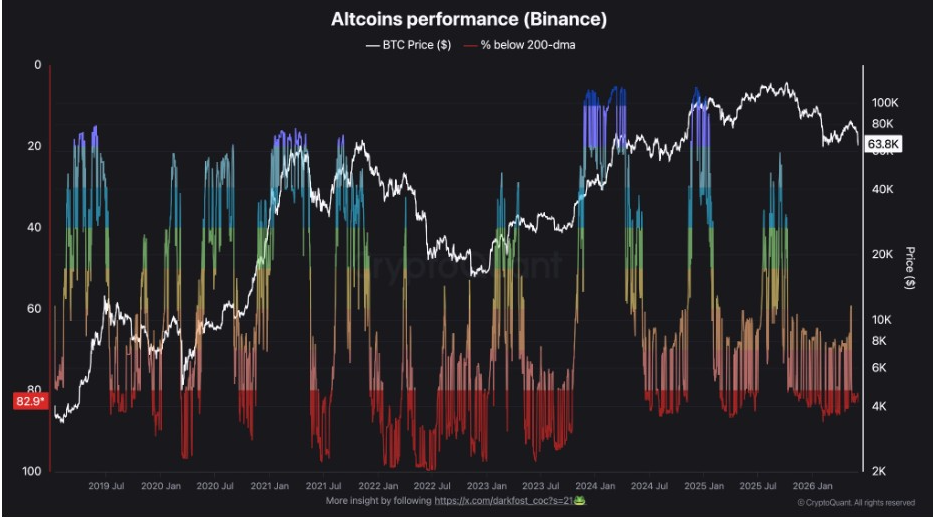
Altcoin Market Loses $520B as 83% Trade Below 200-Day Average

How Bitcoin Turned $10K Into $119 Million While Facebook Lagged Behind

US eyes Iranian assets for Gulf allies’ reconstruction, source says



