United States prosecutors in the Southern District of New York on December 5, 2025, recommended a 12-year prison sentence for Do Kwon, co-founder of Terraform Labs. This follows a plea agreement that limits potential punishment to 12 years despite serious charges that could carry up to 25 years. Kwon’s actions contributed to the collapse of the TerraUSD (UST) stablecoin and the Luna token, resulting in a $40 billion loss and chaos in the crypto market. He was arrested in Montenegro in 2023 for using fake travel documents and later extradited to the U.S. The Fraud and Guilty Plea Terraform Labs promoted TerraUSD as a new type of stablecoin that would automatically maintain its $1 value. However, prosecutors showed that Kwon secretly bought large amounts of tokens in 2021 to create the illusion of stability. He hid important risks from investors while claiming the system was safe and decentralized. In May 2022, confidence dropped, and UST lost its $1 value, causing Luna to lose more than 99% of its worth. However, during a plea hearing on August 12, 2025, Kwon pleaded guilty to two felony counts: conspiracy to commit wire fraud and wire fraud. In a candid admission, he stated: “I knowingly agreed with others to defraud, and did in fact defraud, purchasers of cryptocurrencies issued by my company, Terraform Labs. What I did was wrong, and I want to apologize for my conduct. I take full responsibility.” This guilty plea limited his maximum prison time to 12 years, even though the law allowed for up to 25 years.  Dispute in the Sentencing  Defense lawyers requested a sentence of no more than five years for Kwon, citing nearly three years spent in harsh conditions in Montenegro and arguing his actions were motivated by pride rather than greed. In contrast, prosecutors seek a full 12-year sentence to deter future crypto fraud and highlight the crime’s seriousness. They highlighted that Kwon tried to escape justice by using fake passports after the crash. Kwon has agreed to pay $19.3 million, return some of the properties, and compensate the victims. According to the plea deal, he will be sent to South Korea after serving half of his sentence. Meanwhile, South Korean prosecutors are seeking up to 40 years in prison for related charges, including breaking capital market laws. The SEC has already secured a $420 million civil fraud judgment against Kwon and Terraform. U.S. District Judge Paul Engelmayer will decide Kwon’s final sentence next week. The post US Prosecutors Seek 12-Year Sentence for Terraform Labs’ Do Kwon appeared first on CoinTab News.United States prosecutors in the Southern District of New York on December 5, 2025, recommended a 12-year prison sentence for Do Kwon, co-founder of Terraform Labs. This follows a plea agreement that limits potential punishment to 12 years despite serious charges that could carry up to 25 years. Kwon’s actions contributed to the collapse of the TerraUSD (UST) stablecoin and the Luna token, resulting in a $40 billion loss and chaos in the crypto market. He was arrested in Montenegro in 2023 for using fake travel documents and later extradited to the U.S. The Fraud and Guilty Plea Terraform Labs promoted TerraUSD as a new type of stablecoin that would automatically maintain its $1 value. However, prosecutors showed that Kwon secretly bought large amounts of tokens in 2021 to create the illusion of stability. He hid important risks from investors while claiming the system was safe and decentralized. In May 2022, confidence dropped, and UST lost its $1 value, causing Luna to lose more than 99% of its worth. However, during a plea hearing on August 12, 2025, Kwon pleaded guilty to two felony counts: conspiracy to commit wire fraud and wire fraud. In a candid admission, he stated: “I knowingly agreed with others to defraud, and did in fact defraud, purchasers of cryptocurrencies issued by my company, Terraform Labs. What I did was wrong, and I want to apologize for my conduct. I take full responsibility.” This guilty plea limited his maximum prison time to 12 years, even though the law allowed for up to 25 years.  Dispute in the Sentencing  Defense lawyers requested a sentence of no more than five years for Kwon, citing nearly three years spent in harsh conditions in Montenegro and arguing his actions were motivated by pride rather than greed. In contrast, prosecutors seek a full 12-year sentence to deter future crypto fraud and highlight the crime’s seriousness. They highlighted that Kwon tried to escape justice by using fake passports after the crash. Kwon has agreed to pay $19.3 million, return some of the properties, and compensate the victims. According to the plea deal, he will be sent to South Korea after serving half of his sentence. Meanwhile, South Korean prosecutors are seeking up to 40 years in prison for related charges, including breaking capital market laws. The SEC has already secured a $420 million civil fraud judgment against Kwon and Terraform. U.S. District Judge Paul Engelmayer will decide Kwon’s final sentence next week. The post US Prosecutors Seek 12-Year Sentence for Terraform Labs’ Do Kwon appeared first on CoinTab News.

US Prosecutors Seek 12-Year Sentence for Terraform Labs’ Do Kwon
2025/12/06 04:03

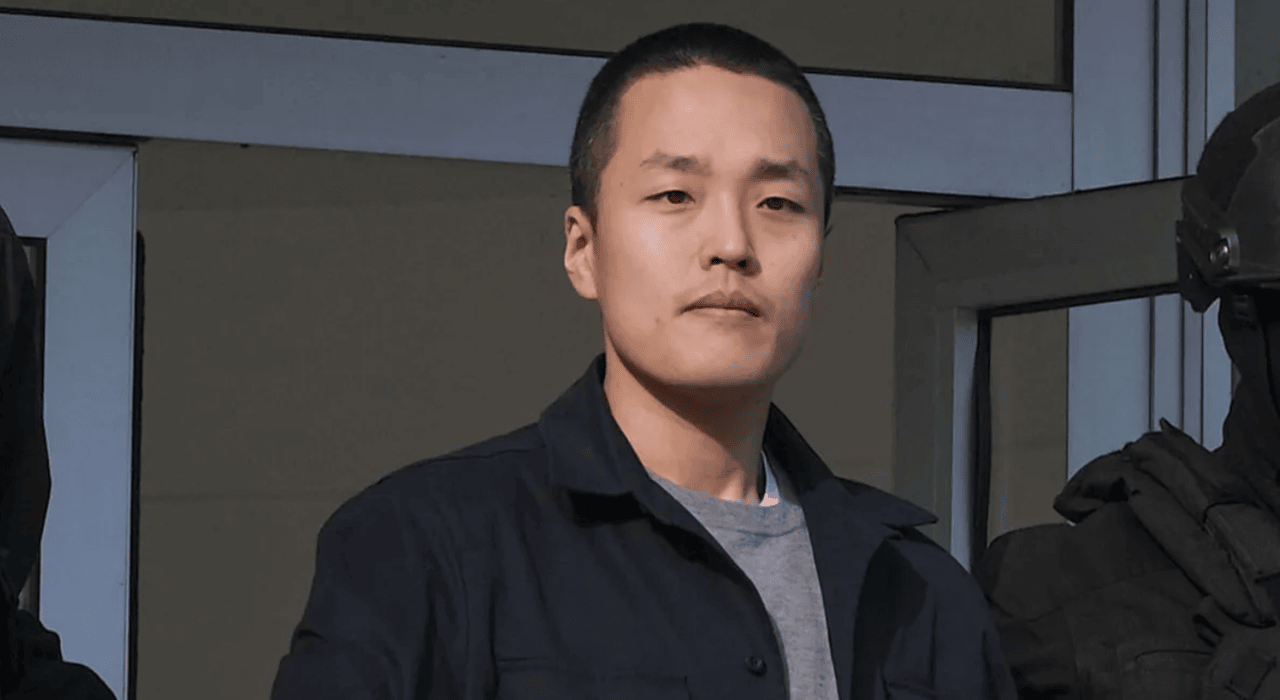
United States prosecutors in the Southern District of New York on December 5, 2025, recommended a 12-year prison sentence for Do Kwon, co-founder of Terraform Labs.

This follows a plea agreement that limits potential punishment to 12 years despite serious charges that could carry up to 25 years.

Kwon’s actions contributed to the collapse of the TerraUSD (UST) stablecoin and the Luna token, resulting in a $40 billion loss and chaos in the crypto market. He was arrested in Montenegro in 2023 for using fake travel documents and later extradited to the U.S.

The Fraud and Guilty Plea

Terraform Labs promoted TerraUSD as a new type of stablecoin that would automatically maintain its $1 value. However, prosecutors showed that Kwon secretly bought large amounts of tokens in 2021 to create the illusion of stability. He hid important risks from investors while claiming the system was safe and decentralized.

In May 2022, confidence dropped, and UST lost its $1 value, causing Luna to lose more than 99% of its worth. However, during a plea hearing on August 12, 2025, Kwon pleaded guilty to two felony counts: conspiracy to commit wire fraud and wire fraud. In a candid admission, he stated:

This guilty plea limited his maximum prison time to 12 years, even though the law allowed for up to 25 years. 

Dispute in the Sentencing 

Defense lawyers requested a sentence of no more than five years for Kwon, citing nearly three years spent in harsh conditions in Montenegro and arguing his actions were motivated by pride rather than greed. In contrast, prosecutors seek a full 12-year sentence to deter future crypto fraud and highlight the crime’s seriousness.

They highlighted that Kwon tried to escape justice by using fake passports after the crash. Kwon has agreed to pay $19.3 million, return some of the properties, and compensate the victims. According to the plea deal, he will be sent to South Korea after serving half of his sentence.

Meanwhile, South Korean prosecutors are seeking up to 40 years in prison for related charges, including breaking capital market laws. The SEC has already secured a $420 million civil fraud judgment against Kwon and Terraform. U.S. District Judge Paul Engelmayer will decide Kwon’s final sentence next week.

The post US Prosecutors Seek 12-Year Sentence for Terraform Labs’ Do Kwon appeared first on CoinTab News.

Disclaimer: The articles reposted on this site are sourced from public platforms and are provided for informational purposes only. They do not necessarily reflect the views of MEXC. All rights remain with the original authors. If you believe any content infringes on third-party rights, please contact service@support.mexc.com for removal. MEXC makes no guarantees regarding the accuracy, completeness, or timeliness of the content and is not responsible for any actions taken based on the information provided. The content does not constitute financial, legal, or other professional advice, nor should it be considered a recommendation or endorsement by MEXC.

You May Also Like

Team Launches AI Tools to Boost KYC and Mainnet Migration for Investors

Team Launches AI Tools to Boost KYC and Mainnet Migration for Investors

The post Team Launches AI Tools to Boost KYC and Mainnet Migration for Investors appeared on BitcoinEthereumNews.com. The Pi Network team has announced the implementation of upgrades to simplify verification and increase the pace of its Mainnet migration. This comes before the token unlock happening this December. Pi Network Integrates AI Tools to Boost KYC Process In a recent blog post, the Pi team said it has improved its KYC process with the same AI technology as Fast Track KYC. This will cut the number of applications waiting for human review by 50%. As a result, more Pioneers will be able to reach Mainnet eligibility sooner. Fast Track KYC was first introduced in September to help new and non-users set up a Mainnet wallet. This was in an effort to reduce the long wait times caused by the previous rule. The old rule required completing 30 mining sessions before qualifying for verification. Fast Track cannot enable migration on its own. However, it is now fully part of the Standard KYC process which allows access to Mainnet. This comes at a time when the network is set for another unlock in December. About 190 million tokens will unlock worth approximately $43 million at current estimates.  These updates will help more Pioneers finish their migration faster especially when there are fewer validators available. This integration allows Pi’s validation resources to serve as a platform utility. In the future, applications that need identity verification or human-verified participation can use this system. Team Releases Validator Rewards Update The Pi Network team provided an update about validator rewards. They expect to distribute the first rewards by the end of Q1 2026. This delay happened because they needed to analyze a large amount of data collected since 2021. Currently, 17.5 million users have completed the KYC process, and 15.7 million users have moved to the Mainnet. However, there are around 3 million users…
Share
BitcoinEthereumNews2025/12/06 16:08
Solana Nears $124 Support Amid Cautious Sentiment and Liquidity Reset Potential

Solana Nears $124 Support Amid Cautious Sentiment and Liquidity Reset Potential

The post Solana Nears $124 Support Amid Cautious Sentiment and Liquidity Reset Potential appeared on BitcoinEthereumNews.com. Solana ($SOL) is approaching a critical support level at $124, where buyers must defend to prevent further declines amid cautious market conditions. A successful hold could initiate recovery toward $138 or higher, while failure might lead to deeper corrections. Solana’s price risks dropping to $124 if current support zones weaken under selling pressure. Reclaiming key resistance around $138 may drive $SOL toward $172–$180 targets. Recent data shows liquidity resets often precede multi-week uptrends, with historical patterns suggesting potential recovery by early 2026. Solana ($SOL) support at $124 tested amid market caution: Will buyers defend or trigger deeper drops? Explore analysis, liquidity signals, and recovery paths for informed trading decisions. What Is the Current Support Level for Solana ($SOL)? Solana ($SOL) is currently testing a vital support level at $124, following a decline from the $144–$146 resistance zone. Analysts from TradingView indicate that after failing to maintain momentum above $138, the token dipped toward $131 and mid-range support near $134. This positioning underscores the importance of buyer intervention to stabilize the price and prevent further erosion. Solana ($SOL) is in a crucial stage right now, with possible price drops toward important support zones. Recent price activity signals increased downside risks, analysts caution. TradingView contributor Ali notes that Solana may find quick support at $124 after falling from the $144–$146 resistance range. The token eventually tested $131 after failing to hold over $138 and plummeting toward mid-range support near $134. Source: Ali Market indicators reveal downward momentum, with potential short-term volatility around $130–$132 before possibly easing to $126–$127. Should this threshold break, $SOL could slide to the firmer support at $124–$125, according to observations from established charting platforms. Overall sentiment remains guarded, as highlighted by experts monitoring on-chain data. Ali warns that without robust buying interest, additional selling could intensify. TradingView analyst…
Share
BitcoinEthereumNews2025/12/06 16:33