

Nunchuk: The Open-Source Mobile Multi-Sig Wallet Now Securing Over $1 Billion in Bitcoin
Bitcoin Magazine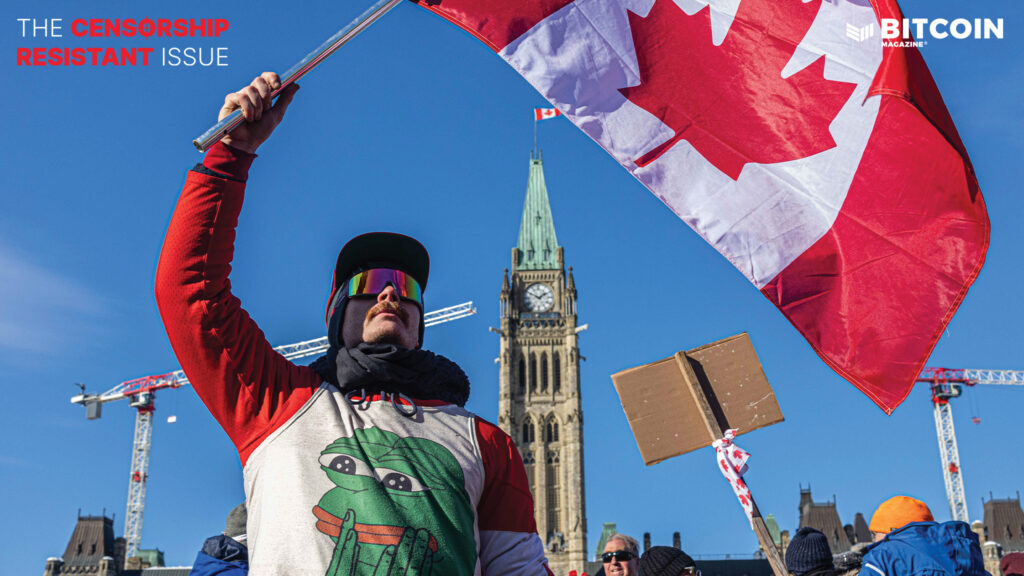
Nunchuk: The Open-Source Mobile Multi-Sig Wallet Now Securing Over $1 Billion in Bitcoin
Nunchuk Inc. is an open source, multi-signature mobile wallet for advanced bitcoin security, self-custody, and inheritance. Launched in 2020, the app offers users a feature-rich toolkit to set up high-security bitcoin wallets, with little competition on the mobile app market, as most other mobile wallets do not support multi-signature functionality at all.
Most wallets require a single private key to sign a valid Bitcoin transaction. Multi-signature Bitcoin wallets, in turn, require more than one private key to sign a valid Bitcoin transaction, often a threshold, such as two of three or three of five. This lock, so to speak, is enforced by the full power of the Bitcoin network, making it one of the most secure ways to store wealth today and probably in history.
Nunchuk told Bitcoin Magazine they help secure over a billion dollars worth of bitcoin today, but that was not always the case. Born out of Bitcoin idealism in the thick of the COVID pandemic, Nunchuk was built to facilitate advanced security wallets that use multi-signature in the defense of self-custody. In 2022, as a young start-up, these ideals were put to the test, as activists of the Canadian Freedom Convoy Protests decided to use Nunchuk to secure bitcoins donated to the protest against COVID repression.
The turmoil saw over a million dollars worth of Bitcoin donated to Honk Honk Hodl, a group of reputable activists in the country, to help fund the costs of Truckers who were gathering in Ottawa. The truckers were putting their lives on the line to protest the extreme restrictions put in place by the Canadian government in response to the pandemic, and were facing massive pressure to leave the capital.
Over 20 bitcoins were received into a Nunchuk multi-signature wallet under the banner of Honk Honk Hodl. Nunchuk multi-sig was chosen to mitigate the risk of putting all that money in the hands of just one person.
Hugo Nguyen, founder of Nunchuk, told Bitcoin Magazine that the Honk Honk Hodl wallet received so many individual donations that it actually broke the wallet. The app was not designed to sign transactions with so many bitcoin inputs, and the start-up had to push an update to let the activists easily move their funds.
The protests were so effective and gained such a positive reception internationally that Trudeau’s government panicked and invoked the Emergencies Act, a rare use of federal powers, which he used to try to shut down all sources of funding coming to the protesters, in an effort to scare them off the capital. This included 10 million dollars in donations from Canadians to a GoFundMe campaign, which were ultimately returned to contributors after the payment processor faced legal action from the Canadian government.
When it came to the bitcoin donations, the digital currency’s alleged censorship resistance was put to the test. Canada sent a Mareva injunction to Nunchuk Inc., demanding the company freeze user funds and disclose user data to the government. Nunchuk, as a privacy-oriented, non-custodial wallet, had no power to comply. Nunchuk was just two months old at the time, a self-funded startup. This was their response:
“Dear Ontario Superior Court of Justice,
Nunchuk is a self-custodial, collaborative multisig Bitcoin wallet. We are a software provider, not a custodial financial intermediary.
Our software is free to use. It allows people to eliminate single points of failure and store Bitcoin in the safest way possible, while preserving privacy.
We do not collect any user identification information beyond email addresses. We also do not hold any keys. Therefore:
– We cannot “freeze” our users’ assets.
– We cannot “prevent” them from being moved.
– We do not have knowledge of “the existence, nature, value and location” of our users’ assets. This is by design.
Please look up how self-custody and private keys work. When the Canadian dollar becomes worthless, we will be here to serve you, too.
Sincerely,
The Nunchuk team”
In a matter of hours, over 14 bitcoins were delivered to over 90 truckers by hand in envelopes, roughly 8000 Canadian dollars at the time, each. By the time the Canadian police raided Nicholas St. Louis’s home — the main activist behind the Honk Honk Hodl campaign — most of the bitcoin had been distributed. Only 0.28 BTC were reportedly seized in the raid. Up to 6 BTC in total were frozen from other truckers and protesters in the turmoil, resulting in a rough 70% success rate for the censorship-resistant currency.
These events had a deep impact on the Nunchuk team, some of whom quit out of fear of legal prosecution. Others who stayed and Nunchuk Inc. survived, its future design forged in the fires of the late COVID political turmoil.
The Nunchuk That Survived
Fast forward two years or so, and Nunchuk has carved itself a solid niche within the Bitcoin industry. It is the only open source, fully featured multi-signature mobile wallet for mobile devices. Where alternatives exist, they are often either antiquated, nearly abandoned, or closed-source and not functional without being a paid user.
Nunchuk is also the first significant implementation of miniscript, a high-level programming language for Bitcoin script, which lets developers build Bitcoin “smart contracts” with elegance and power not easily achieved using Bitcoin’s native scripting language. Miniscript was invented by Pieter Wullie, a legendary Bitcoin core developer with 14 years of experience contributing to the digital currency.
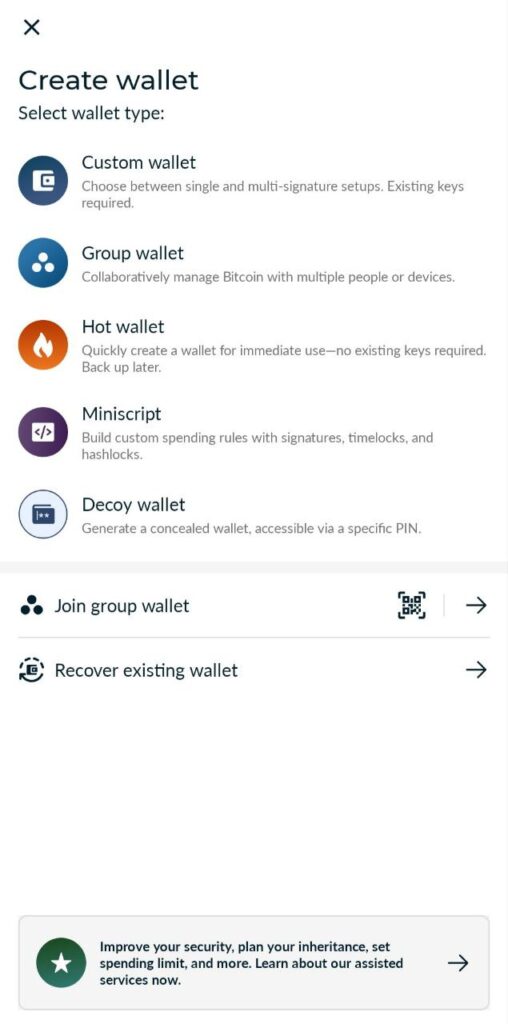
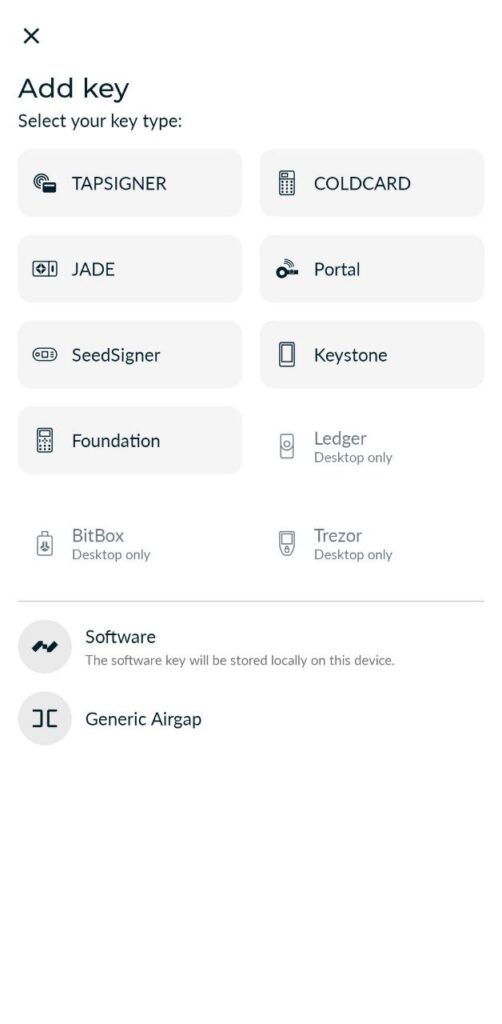
The wallet lets users create software and hardware keys based on a wide range of hardware signing devices, supporting the most advanced Bitcoin address types, like Segwit and Taproot. Users can then create a fully customizable range of wallets, from single key to advanced, to any combination of multiple keys the user deems useful.
Nunchuk even supports decaying multi-sigs, which are useful for inheritance and complex setups. For example, you might want a 3 of 5 multi-sig where you control all the keys but they are geographically distributed, this is a common model for high value inheritance accounts. One of those keys can be shared with an heir. After five years, the multi-sig degrades to a single-key wallet, letting your heir move the money. To prevent your heir from getting access to your Bitcoin before your time, you would need to move the coins to a fresh multi-sig 3 of 5 and reset the clock.
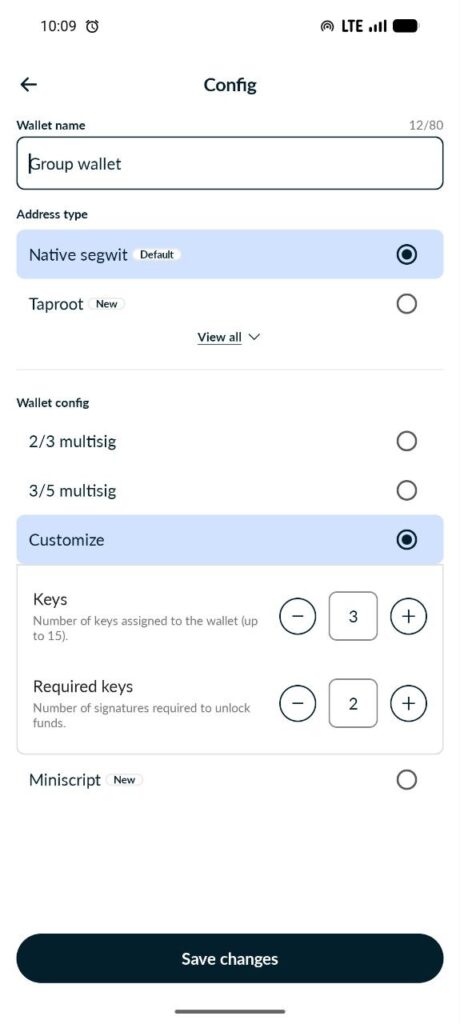
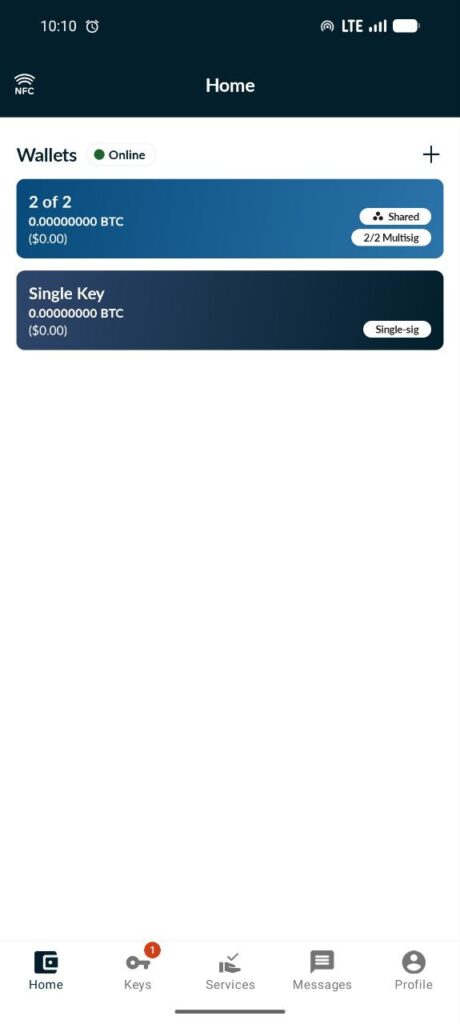
It’s important to note that creating your own complex security setups has risks; sometimes, users who become so sophisticated that they decide to use fully featured tools like Nunchuk end up creating mazes for their Bitcoin that they end up getting locked out of. It’s important to be careful and generally use best practices when creating self-custody Bitcoin wallets to avoid common pitfalls.
Nunchuk has standard templates and a complete inheritance feature set designed to help non-technical Bitcoin users benefit from the full power of Bitcoin self-custody. They even announced the inheritance solution for Bitcoiners that does not require a third-party intermediary to co-sign a transfer. Popular alternatives like Casa wallet offer inheritance solutions, but as a co-signer, they also get a full view into user data, and if the company fails, users must take an alternative key-signing path to recover funds. Nunchuk’s on-chain inheritance wallet leverages time locks and pre-designed multi-sig setups like the example above to give users maximum control and sovereignty in their inheritance setup.
Nunchuk nevertheless supports aided (off-chain) inheritance solutions as well, which use the co-signer model of inheritance and can be easier to use, offering similar features as other popular Bitcoin inheritance solutions.
This post Nunchuk: The Open-Source Mobile Multi-Sig Wallet Now Securing Over $1 Billion in Bitcoin first appeared on Bitcoin Magazine and is written by Juan Galt.


You May Also Like

Covéa Chooses Shift Technology as Strategic Partner for Fraud and Risk Management

B.AI Integrates Deposit Support for HTX and WBTC Across Multiple Networks

Meta to Cut 8,000 Jobs as Zuckerberg Doubles Down on AI Expansion



