

XRP Strategy Shift: Why Ripple Must Embrace Solana’s Playbook to Survive
BitcoinWorld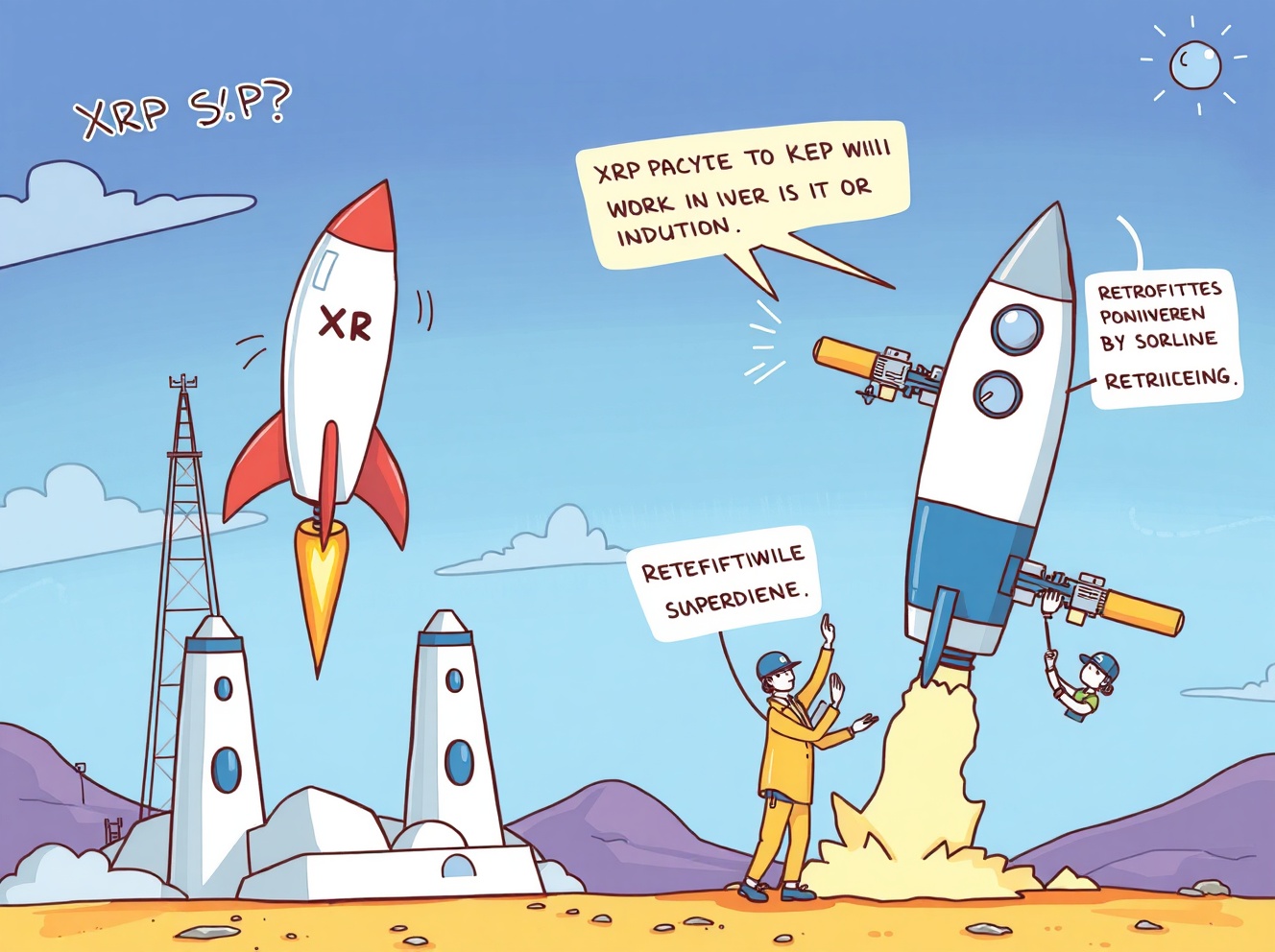
XRP Strategy Shift: Why Ripple Must Embrace Solana’s Playbook to Survive
In a surprising revelation, a top Ripple executive has issued a stark warning: XRP needs a fundamental strategy overhaul. Luke Judges, Ripple’s Head of Global Partner Success, contends that to remain competitive, XRP must urgently adopt a Solana-style strategy. This call to action highlights a pivotal moment for the veteran cryptocurrency, signaling that technological prowess alone is no longer enough in today’s cutthroat blockchain arena.
Why Does the XRP Strategy Need a Rethink?
For years, XRP positioned itself as a bridge for cross-border payments, banking on its established partnerships and consensus mechanism. However, the landscape has shifted dramatically. Newer blockchains like Solana have captured market attention not just with technology, but with relentless execution and developer-focused pragmatism. Judges argues that XRP’s current XRP strategy is incomplete without this aggressive, market-oriented approach. The core message is clear: build it, and they will come, is a flawed philosophy in 2024.
What Can XRP Learn from Solana’s Playbook?
Solana’s rise was not an accident. It was a masterclass in strategic execution that XRP can dissect. Here are the key lessons:
- Speed of Execution: Solana rapidly iterates, ships features, and adapts to market feedback. Its development cycle is notoriously fast.
- Ecosystem Aggression: Solana actively and financially cultivates its developer and dApp ecosystem, creating a powerful network effect.
- Pragmatism Over Perfection: While prioritizing scalability, Solana has shown a willingness to launch and improve, rather than waiting for a “perfect” product.
- Cultural Momentum: Solana fostered a vibrant, risk-taking community culture that attracts builders and users alike.
Adopting this XRP strategy means prioritizing growth hacking and market share acquisition with the same intensity as protocol development.
The Challenges of Pivoting the XRP Strategy
Shifting a giant like Ripple and XRP is not simple. The company has deep-rooted relationships with financial institutions, which often move slowly. Furthermore, XRP’s legal clarity, following the SEC case, is a double-edged sword—it provides stability but may also breed complacency. The main challenge for this new XRP strategy will be balancing its legacy as a regulated, institutional player with the need for the agile, sometimes chaotic, innovation that defines chains like Solana. Can it cultivate a startup mentality within a mature corporate structure?
Actionable Insights for XRP’s Future
What would a Solana-inspired XRP strategy look like in practice? First, Ripple could launch a significantly larger and more accessible developer grant program, directly funding the next wave of dApps on the XRP Ledger. Second, it could streamline its partnership onboarding to move at “crypto speed” rather than “bank speed.” Third, marketing and community initiatives must become more dynamic, engaging retail users and developers directly, not just through enterprise channels. The goal is to create palpable, visible momentum.
Conclusion: A Necessary Evolution for Survival
Luke Judges’ comments are a crucial wake-up call. The cryptocurrency market rewards speed, community, and relentless execution. XRP possesses foundational technology and hard-won regulatory clarity. However, without a fierce, competitor-inspired XRP strategy focused on ecosystem growth and cultural relevance, it risks being left behind. The path forward requires embracing pragmatism, empowering developers, and executing with a newfound urgency. The race is on, and adaptation is no longer optional—it’s essential for survival.
Frequently Asked Questions (FAQs)
Q: What exactly did the Ripple executive say about XRP’s strategy?
A: Luke Judges, Ripple’s Head of Global Partner Success, stated that XRP needs to adopt a “Solana-style strategy,” emphasizing that technological strength alone isn’t enough and highlighting the need for pragmatism and speed of execution.
Q: Why is Solana’s strategy considered a model for XRP?
A> Solana is noted for its rapid development cycles, aggressive cultivation of its developer ecosystem, and ability to create strong cultural momentum—all factors that have driven its adoption and growth.
Q: What are the biggest hurdles for XRP in making this change?
A> The main challenges include balancing its institutional, regulated partnerships with the need for agile, crypto-native growth tactics, and avoiding complacency after achieving legal clarity.
Q: How could an average XRP holder be affected by this strategic shift?
A> A successful shift could lead to a more vibrant XRP ecosystem with more applications, increased utility, and potentially greater demand for the XRP token, though it involves inherent risks of change.
Q: Is Ripple abandoning its focus on cross-border payments?
A> Not necessarily. The suggestion is to augment its core cross-border payment technology with a more aggressive, holistic growth strategy that includes retail developers and dApps, not replace its primary use case.
Did you find this analysis of the evolving XRP strategy insightful? The crypto landscape changes fast, and sharing knowledge helps everyone navigate it. Share this article on X (Twitter) or LinkedIn to spark a conversation with your network about the future of blockchain competition.
To learn more about the latest cryptocurrency market trends, explore our article on key developments shaping blockchain adoption and institutional investment.
This post XRP Strategy Shift: Why Ripple Must Embrace Solana’s Playbook to Survive first appeared on BitcoinWorld.
You May Also Like

WOW Activities Centre Emerges as Bintan’s Premier Family Destination

Lovable AI’s Astonishing Rise: Anton Osika Reveals Startup Secrets at Bitcoin World Disrupt 2025


