

Fortress Security: Upbit’s Bold Plan to Hold 99% of Assets in Cold Wallets
BitcoinWorld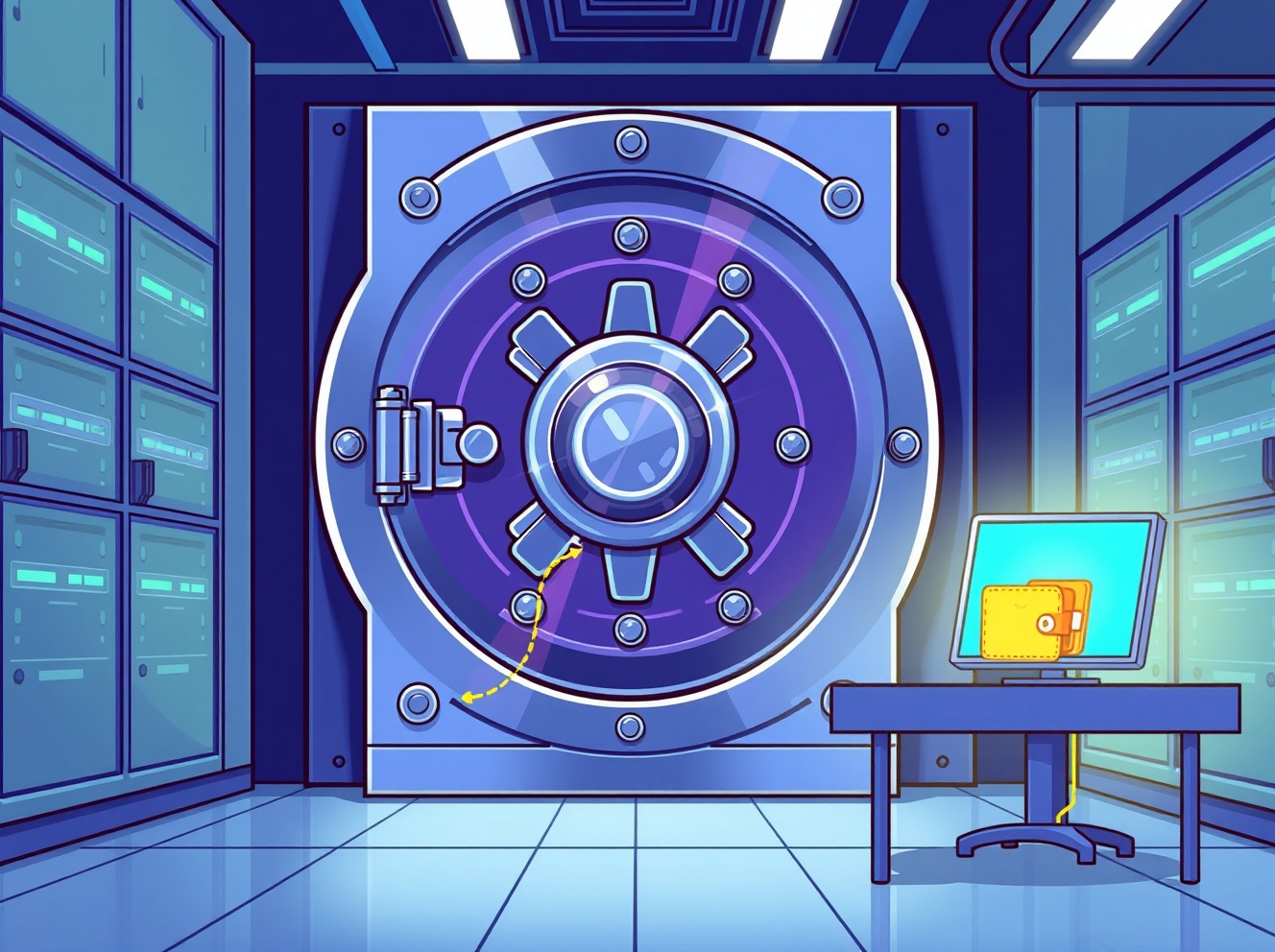
Fortress Security: Upbit’s Bold Plan to Hold 99% of Assets in Cold Wallets
In a powerful move that sets a new standard for security, South Korea’s leading cryptocurrency exchange, Upbit, has revealed a staggering fact: 98.33% of all user assets are stored in offline cold wallets. Even more impressive, they plan to push this ratio above 99%. This isn’t just a technical detail; it’s a fortress-like commitment to protecting billions in digital wealth. For any crypto investor, understanding this shift is crucial for evaluating where to trust your assets.
What Are Cold Wallets and Why Is Upbit’s 98% Ratio a Game-Changer?
First, let’s break it down simply. A cold wallet is a method of storing cryptocurrency completely offline, disconnected from the internet. Think of it as a digital safe deposit box. In contrast, a ‘hot wallet’ is connected online for daily transactions but is more vulnerable to hackers. Upbit’s operator, Dunamu, reported that as of October’s end, over 98% of assets were in this ultra-secure, offline state. This ratio is exceptionally high, demonstrating a security-first philosophy that prioritizes asset protection over convenience.
How Does Moving to 99% Cold Storage Make Upbit Safer?
Upbit’s goal to reduce hot wallet assets to under 1% is a strategic masterstroke for risk management. Here’s what this ambitious target means for security:
- Dramatically Reduced Attack Surface: Hackers can only target what’s online. By keeping 99%+ offline, the amount of ‘stealable’ assets at any moment becomes minuscule.
- Enhanced User Confidence: This transparent metric acts as a powerful trust signal, showing users the exchange values security above all else.
- Industry Leadership: This move pressures other exchanges to follow suit, potentially raising security standards across the entire crypto landscape.
Therefore, this isn’t just an internal policy update; it’s a public declaration of their security posture that benefits the entire ecosystem.
What Are the Real-World Benefits for Crypto Investors?
For the everyday trader or long-term holder, Upbit’s cold wallet strategy translates to tangible peace of mind. Major exchange hacks have historically resulted in catastrophic losses. By architecting their systems to hold virtually all assets in cold wallets, Upbit makes a successful large-scale breach nearly impossible. Your Bitcoin or Ethereum isn’t sitting in a server waiting to be plundered; it’s in deep freeze, accessible only through stringent, multi-layered internal controls. This operational model directly protects your investment.
Could There Be Any Challenges with This Approach?
While the security benefits are monumental, a near-total reliance on cold wallets introduces a different set of considerations. The primary trade-off is liquidity speed. Moving assets out of cold storage for withdrawals requires a manual or semi-manual process, which can be slower than purely automated hot wallet systems. However, for most users, a slight delay for vastly superior security is a welcome compromise. Upbit’s challenge is to streamline this process without compromising the integrity of their cold wallet vaults.
Conclusion: A New Benchmark for Exchange Security
Upbit’s plan to hold over 99% of assets in cold wallets is more than a technical goal; it’s a foundational shift in how crypto exchanges manage risk. It prioritizes unbreakable security over marginal convenience, setting a formidable benchmark that others will be measured against. For investors, it provides a clear, quantitative metric—the cold storage ratio—to assess an exchange’s commitment to safeguarding your funds. In the volatile world of crypto, this kind of proactive, transparent security is the ultimate asset.
Frequently Asked Questions (FAQs)
What is a cold wallet in cryptocurrency?
A cold wallet is a method of storing cryptocurrency private keys completely offline, making them inaccessible to online hackers. Common forms include hardware wallets (like USB devices) or paper wallets.
Why is Upbit’s 98% cold wallet ratio significant?
It is one of the highest publicly disclosed cold storage ratios for a major exchange. It indicates an extreme commitment to security, as it drastically limits the amount of assets vulnerable to an online attack at any given time.
Does using cold wallets slow down withdrawals?
It can introduce a slight processing delay, as moving assets from cold storage often requires manual security checks. However, this trade-off is widely accepted for the massive increase in fund security it provides.
Are my funds completely safe if an exchange uses cold wallets?
While cold storage greatly reduces the risk of a remote hack, no system is 100% foolproof. Security also depends on the exchange’s internal controls, employee practices, and insurance policies. Cold storage is a critical, best-practice layer of defense.
How can I check an exchange’s cold wallet policy?
Look for transparency reports or proof-of-reserves audits published by the exchange. Reputable platforms will openly communicate their storage practices and security protocols.
What’s the difference between cold storage and a custodial wallet?
Custodial wallet means the exchange holds your private keys for you (as Upbit does). Cold storage is the *method* (offline) they use to secure those keys. Upbit uses cold storage for its custodial wallets.
Found this deep dive into crypto exchange security valuable? Help other investors make safer choices by sharing this article on Twitter, LinkedIn, or your favorite crypto community forum. Knowledge is the best defense in the digital asset space.
To learn more about the latest trends in cryptocurrency security and regulation, explore our article on key developments shaping blockchain adoption and institutional safety standards.
This post Fortress Security: Upbit’s Bold Plan to Hold 99% of Assets in Cold Wallets first appeared on BitcoinWorld.


You May Also Like

The changing face of elder care in Malaysia — Sayed Mohammad Reza Yamani Sayed Umar

Not a loophole: Singapore AI export controls let China tap US AI legally

Crypto Market Drops as Fear Grows and Major Assets Decline



