

Australia funds $120 million project to upgrade Papua New Guinea connectivity
TLDRs;
- Australia invests $120M for Google-led subsea cable network in Papua New Guinea.
- Project enhances PNG digital infrastructure while reducing dependence on single points of failure.
- New cables strengthen regional internet and offer opportunities for cloud and edge operators.
- Pukpuk Treaty allows Australian oversight of communications, countering rising Chinese influence.
Australia is funding a US$120 million initiative to build three subsea cables across Papua New Guinea (PNG), a move aimed at modernizing the nation’s digital infrastructure.
The project, carried out by Google, will link northern PNG, southern PNG, and the Bougainville region, providing faster, more resilient internet connectivity for both businesses and consumers. The investment is fully backed by Australia under the Pukpuk Treaty, a mutual defense agreement with PNG.
Peter Tsiamalili, representing the PNG government, confirmed that discussions with Australian and US officials took place at Google’s Australian office, emphasizing the strategic and economic importance of the project.
By connecting multiple regions with high-capacity routes, the initiative reduces reliance on single points of failure, strengthening the nation’s overall network resilience.
Strategic Importance of PNG Connectivity
Papua New Guinea occupies a strategically critical position in the Pacific, drawing the attention of both Australian and US military planners due to its proximity to key shipping lanes and growing Chinese influence. The Pukpuk Treaty also grants Australian defense personnel access to PNG communications infrastructure, including satellite stations and subsea cables.
This access allows Australia to monitor and influence data flows in the region, reinforcing its geopolitical leverage. The deal underscores the dual nature of the project: while it upgrades digital infrastructure, it also provides Australia with strategic oversight over regional communications.
Boosting Regional Internet Reliability
PNG’s existing state-owned backbone operator, PNG DataCo, manages over 12,000 kilometers of fiber and six international Points of Presence (POPs). The new Google-built subsea cables are expected to integrate with this network, enhancing reliability and capacity.
Since 2019, PNG has already strengthened its digital backbone with the Coral Sea Cable (20 Tbps) and the Kumul Submarine Cable Network (8 Tbps).For content delivery networks (CDNs) and cloud edge operators, the expanded network offers reduced risk from outages and single points of failure.
Neutral colocation facilities and interconnection points in Port Moresby could provide early entry opportunities for operators seeking to establish infrastructure in PNG, while firms like Nexus offer managed services, disaster recovery, and VSAT connectivity to support the growing network.
Expanding Beyond PNG
Beyond the three new subsea cables, Google has confirmed plans for additional routes from Christmas Island and the establishment of a regional data hub. These expansions aim to strengthen internet infrastructure across the broader Pacific region, enabling faster cloud access and improved data exchange between PNG, Australia, and neighboring countries.
The project reflects a growing focus on digital resilience and strategic positioning in the Pacific, balancing infrastructure development with geopolitical considerations. By combining Google’s technical expertise with Australian funding and oversight, PNG is set to significantly enhance both its connectivity and its role in regional digital networks.
The post Australia funds $120 million project to upgrade Papua New Guinea connectivity appeared first on CoinCentral.


You May Also Like
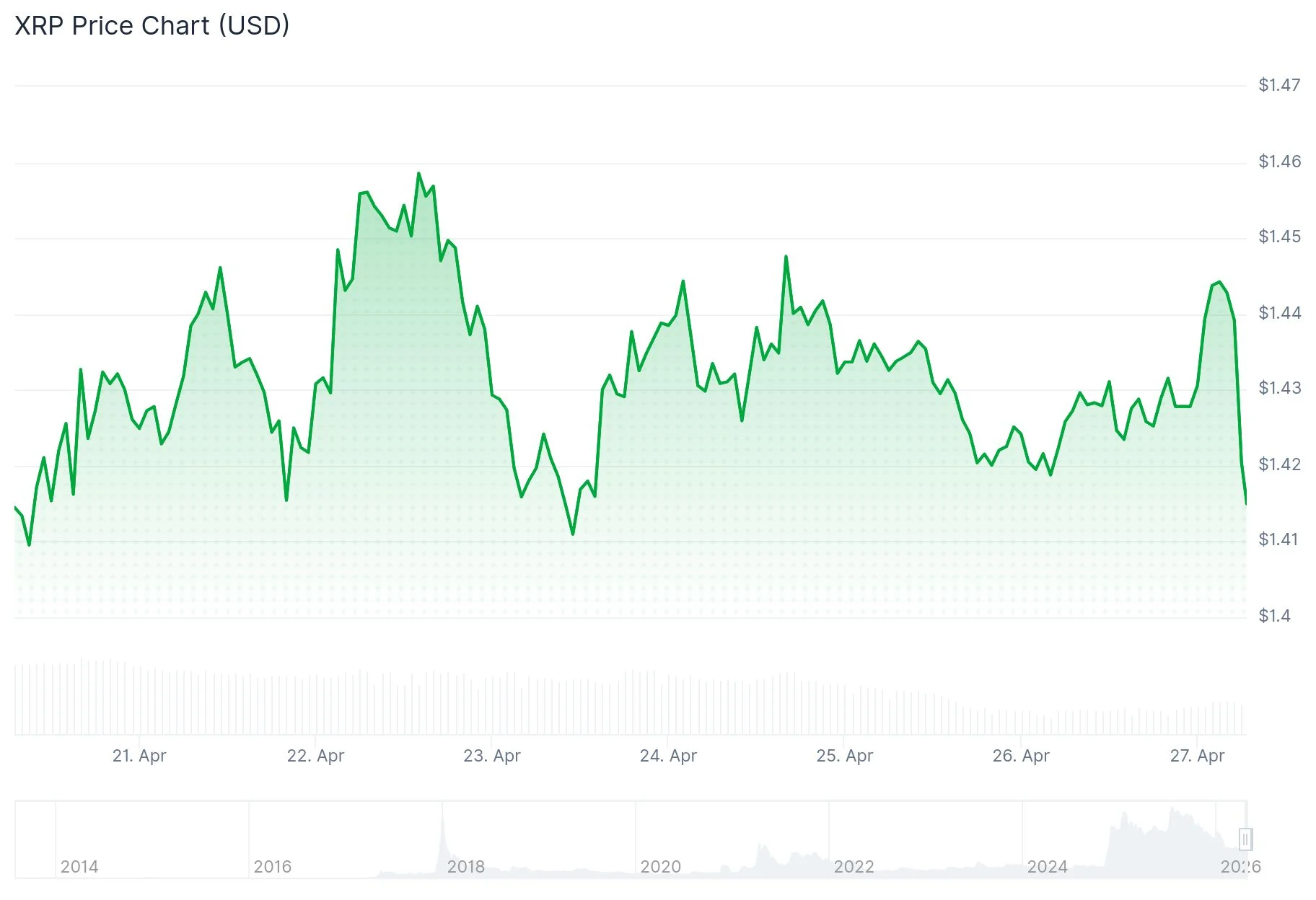
XRP Enters Compression Zone as Analysts Forecast Major Breakout Potential

Bitcoin at Crucial Pivot Point, Here's Why Fed Can Tilt Balance




