SOL Struggling: The Alarming Decline in Solana’s Network Activity

BitcoinWorld
SOL Struggling: The Alarming Decline in Solana’s Network Activity
Recent on-chain data paints a concerning picture for Solana. The network, once hailed for its blazing speed, is now SOL struggling with a significant downturn in key growth metrics. From a plunging Total Value Locked to fading memecoin mania, what’s behind this slump, and what could it mean for the future?
Why Is SOL Struggling With On-Chain Metrics?
A deep dive into the numbers reveals the core of the issue. According to a Cointelegraph analysis, Solana’s ecosystem vitality has weakened considerably. The most glaring signal is the network’s Total Value Locked (TVL), which represents the total capital deposited in its decentralized applications. This figure has fallen by over $10 billion from its all-time high of $15 billion last September. This decline suggests that users and investors are pulling capital out of Solana’s DeFi ecosystem.
Furthermore, the financial health of the network’s applications is under pressure. Weekly revenue generated by decentralized apps (DApps) on Solana has dropped to approximately $26 million. This marks a notable fall from the $37 million recorded just two months prior. When DApps earn less, it can signal reduced user transactions and engagement, creating a cycle that’s hard to break.
Has the Memecoin Frenzy Truly Faded on Solana?
Solana gained immense popularity during the recent memecoin boom, with tokens like BONK and WIF capturing headlines. However, this activity has dramatically cooled. Data shows that trading volume and engagement with Solana-based memecoins have plummeted by 67% since their peak in January. This exodus of speculative capital removes a major source of network fee revenue and general buzz, contributing directly to the current state of SOL struggling to maintain momentum.
The derivatives market adds another layer of concern. The annualized funding rate for Solana perpetual contracts sits around 6%. In simple terms, this positive rate means traders holding long positions are paying those with short positions. While not extreme, it indicates weakening conviction among bulls and can be a precursor to further price pressure if the trend continues.
What Are the Broader Implications for the Solana Ecosystem?
This period of SOL struggling is a critical stress test for the network’s long-term value proposition. The challenges are multifaceted:
- Developer Retention: Falling revenues may discourage developers from building and maintaining projects on Solana.
- Investor Sentiment: Persistent negative metrics can erode investor confidence, making it harder to attract new capital.
- Network Effect Erosion: The core strength of any blockchain is its active community. Declining activity threatens this vital network effect.
However, it’s crucial to view this within the context of the broader crypto market cycle. Many networks experience periods of consolidation after explosive growth. The key question is whether Solana’s underlying technology and community are robust enough to navigate this phase and build more sustainable, utility-driven growth for the future.
Conclusion: A Pivotal Moment for Solana
The data is clear: Solana is in a phase of significant challenge. The network is SOL struggling with declining capital, user activity, and speculative interest. This presents a pivotal moment that will separate fleeting hype from enduring utility. For investors and observers, the focus should now shift to whether the ecosystem can innovate and attract new, substantive use cases beyond speculative trading. The path forward requires rebuilding on fundamentals rather than frenzy.
Frequently Asked Questions (FAQs)
What does ‘SOL struggling’ mean in this context?
It refers to Solana’s native token (SOL) and the broader network facing a period of declining key performance indicators, such as Total Value Locked (TVL) and decentralized application (DApp) revenue, indicating reduced user and capital engagement.
Why is Total Value Locked (TVL) dropping important?
TVL is a crucial metric for DeFi-focused blockchains. A falling TVL suggests users are withdrawing funds from Solana’s applications, which can decrease network security, developer incentives, and overall ecosystem health.
Has Solana’s technology failed?
Not necessarily. The current struggles are primarily related to economic activity and market sentiment, not a fundamental failure of its high-speed blockchain technology. However, sustaining a network requires both strong tech and a vibrant economy.
Can Solana recover from this slump?
Yes, blockchain projects often go through cycles. Recovery depends on the ecosystem’s ability to foster new, utility-driven applications, improve user experience, and regain developer and investor confidence during the next market upturn.
What should a SOL holder do during this period?
Holders should conduct their own research, monitor fundamental developments (not just price), assess their risk tolerance, and consider the long-term roadmap of the Solana ecosystem rather than reacting to short-term metrics alone.
Is this decline unique to Solana?
While the severity may vary, many blockchain networks experience similar periods of cooling activity after a hype cycle. The broader cryptocurrency market conditions significantly influence individual network metrics.
Found this analysis of SOL struggling insightful? Help others navigate the crypto landscape by sharing this article on your social media channels. Your share can spark important conversations about market fundamentals and smart investing.
To learn more about the latest cryptocurrency market trends, explore our article on key developments shaping blockchain technology and future price action.
This post SOL Struggling: The Alarming Decline in Solana’s Network Activity first appeared on BitcoinWorld.
You May Also Like
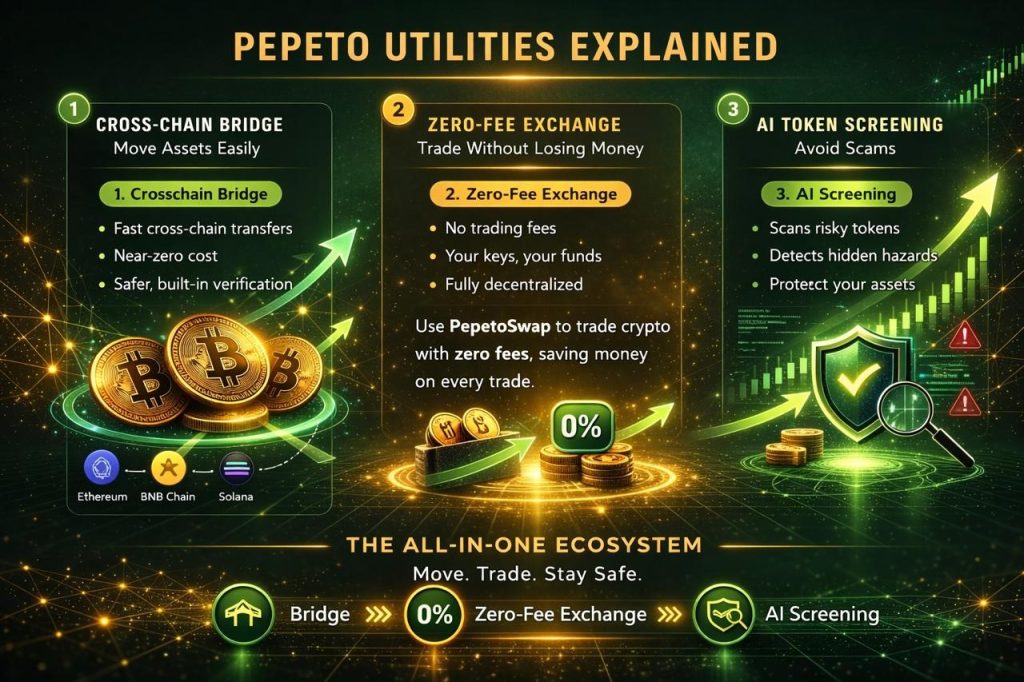
Next Crypto to Explode as Citigroup Cuts BTC to $112K: Pepeto Crosses $8M While HYPE and ZEC Drop
How Fraud Recovery Experts Handle Complex Crypto and Wire Fraud Cases