

How Bebang Halo Halo won a crowded market with one bold idea
MANILA, Philippines – As Filipinos, ending a meal with something sweet is almost certain.
But among our long list of countless dessert options, nothing feels more Pinoy than the mix of shaved ice, milk, jellies, flan, macapuno, sweet beans, and fruit, a dessert that truly lives up to its name: halo-halo.
Sam Karazi knows this well. The president and CEO of Bebang Halo-Halo understands the country’s love for the classic treat, even if, ironically, he’s allergic to dairy.
Born from the recipe of Mae Salumbides’ grandmother Bebang, the premium version of the classic dessert traces its humble start in 2021, in a modest sari-sari–style garage setup in Quezon City. Today, Bebang Halo-Halo’s emerald-and-gold storefronts have more than 30 branches nationwide.
 Bebang Halo Halo CEO and founder Sam Karazi. Courtesy of Bebang Halo Halo
How did a fairly new contender get to this point, given the very saturated halo-halo market?
“I would say it’s modern halo-halo with deep respect for tradition. We protect the soul of halo-halo, the layers, the familiar flavors, the idea of sharing something cold and fun with family and friends. But we refuse to be trapped by ‘ganyan na yan ever since (it has always been like that),” Karazi told Rappler.
Strong gut, strong market
Karazi, who was born and raised in Lebanon, landed in the Philippines in 2011. He instantly recognized the Filipino love of food. However, like any other sharp-eyed businessman, he also recognized the points of improvement.
“I also saw a lot of missed opportunities, products that could be so much better with just a few changes,” he said.
Halo-halo, for instance, is a staple dessert in most Filipino menus. Unfortunately, that was simply what it was, an option from the long list of others. Part of its charm as a classic was also due to its formulaic way of making. But Karazi thought differently.
“I would never invest in a business just to do the same thing as everybody else. So yes, moving away from the usual formula was intentional from the start. But we didn’t change things just to be ‘different.’ We changed things to make the product better and to match what real customers were telling us. We listened,” Karazi said.
The moment the “okay, this is it” feeling lodged itself in his gut was amidst the long lines at Mae’s garage setup. “They were willing to wait, reordering, and telling their friends. I remember looking at it and thinking: This is not just dessert, this is a serious business hiding in a plastic chair and a few monobloc tables.”
Eventually, Bebang Halo-Halo opened its first proper branch along Shaw Boulevard.
Elevating an experience
Mae’s recipe was already a solid foundation. Improving upon her Lola Bebang’s method of using shaved frozen full-cream milk instead of regular ice, they paired it with premium ingredients like leche flan, macapuno, ube halaya, and banana with cinnamon. The result is a delicately airy, icy base that’s both light and creamy, with a cinnamon-forward taste.
 Modern take on halo-halo. Courtesy of Bebang Halo Halo
Their recipe was also heavily feedback-based. As Karazi shared, “We also removed ingredients people keep saying they don’t really like, like beans and monggo…. Even our leche flan recipe was changed multiple times until it reached the level we wanted.”
Bebang Halo-Halo boomed online, considering that it started during the pandemic. Its virality was a manifestation of both the product and the well-crafted storyline told on social media.
“We are very intentional with marketing. From day one, we invested in content, in paid ads, in our own ordering channels, in how the product looks on camera,” Karazi said. The fun, slightly dramatic, and very Filipino branding personality shaped their entire social media, store designs, and even how Karazi communicates in interviews.
The center of this online buzz was the Royal Halo-Halo topped with 24k gold in 2022. The already premium Bebang halo-halo now glittered with real gold and came with a gold spoon, priced at almost P500, a detail that immediately captured the netizens’ attention.
Content creators amplified the conversation, especially figures like Abi Marquez, whose honest reactions added credibility. “Reaching out to creators like Abi was a conscious move, but I told her, ‘If you don’t like it, don’t pretend.’ That honesty also helped because people trust that kind of content more,” Karazi shared.
After the post happened, the main concern was whether people would return. And they did. The product proved itself, perpetuating a cycle of customers tasting, bringing families and friends, and sharing their own posts online. As Karazi puts it, “One video can get you attention, but thousands of repeat orders and long lines month after month, that’s another story.”
Long story short: “We gave people something worth talking about, and we made sure the experience matched the noise.”
Oversaturated space
Starting a business is hard, and starting one during a pandemic raises the stakes even higher. Fortunately, Karazi believed not only in the strength of the product but also in the silver lining hiding within what many assumed was an already crowded market.
 Iconic gold and green color motif of the brand. Courtesy of Bebang Halo Halo
“So you have a market that loves halo-halo, a product that is clearly better than average, and a category where most of the big players treat halo-halo as just one item on a long menu. For me, that combination is the best signal: saturated on paper, but still underserved in reality,” he said.
Their level of confidence involved replacing and refunding melted halo-halo by investing in R&D and packaging, a solution that ensured frozen desserts could be delivered properly. Then, they created their own direct channels and ordering systems from day one. “That gave us data, control, and a direct relationship with our customers.”
Data insight and customer feedback move in tandem within their brand model. “I use data to narrow down the options, foot traffic, tenant mix, presence of premium brands, purchasing power in the area, performance of nearby branches, etc. Once we have that, I use gut feel to decide if the location really feels like a ‘Bebang’ location or not,” he shared.
Since the storyline is entirely dependent on halo-halo, the star of the show must also have an ensemble of cast to fulfill its role. Karazi said serving an amazing product but lacking in other areas, such as “weak, food quality, service, cleanliness,” will ultimately hurt the brand in the long run. “We try not to repeat that mistake. If we say we’re premium, everything around the cup has to feel premium too.”
 Always Filipino at heart. Courtesy of Bebang Halo Halo
Oversaturation only becomes a problem when a brand enters with nothing new to offer. But if the product is truly superior, there will always be space. This belief grounded every decision Bebang Halo-Halo made, as everything had to prove it deserved a seat at the table.
“Respect your customer’s intelligence. They notice everything. If you promise premium and deliver average, they will know,” Karazi said.
Leadership matters
Karazi ’s leadership style shifts naturally with the company’s growth. In the early stages of any project, he prefers to stay deeply involved. “I am very hands-on and very protective. I like to be the only cook in the kitchen when something like new concepts, new deals, new structures are still fragile.”
His directness stems from the same place of commitment to safeguarding the company and the people doing their best, matched with a low tolerance for laziness, politics, and anything that drags the work down.
But once trust is established, he steps back with confidence. “Once I trust someone, I delegate a lot. I really don’t like micromanaging. If I see that a person is smart, motivated, and aligned, I’d rather give them space and judge them on results, not on how many times they message me per day,” he said.
Despite the inevitable stress of running a fast-growing business, he still finds joy in the process. “And of course, I enjoy the game. Business is stressful, but it’s also fun if you see it as a long-term game, not a one-time bet,” he said.
In times of pressure like tight cash flow, messy operations, disappointments, and mistakes, Karazi always returns to two questions: “Do people really love this product? And am I still the right person to lead this?”
As long as the answer remains yes, he keeps pushing. It’s the mindset that carried him through the worst days and made the good ones possible. – Claire Masbad and Steph Arnaldo/Rappler.com
Claire Masbad is a Rappler intern studying AB Communication Arts at De La Salle University.


You May Also Like

Caitlyn Jenner’s Memecoin Triumphs in Court Ruling
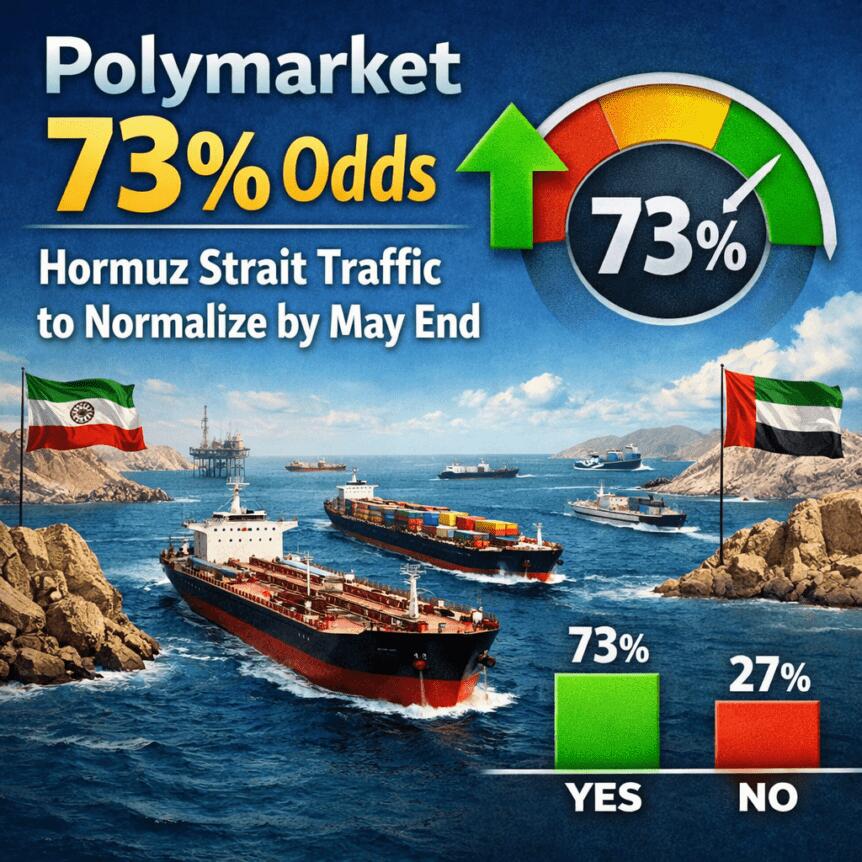
Polymarket 73% odds Hormuz Strait traffic to normalize by May end




