

Futures Liquidated: The Stunning $210 Million Hour That Rocked Crypto Markets
BitcoinWorld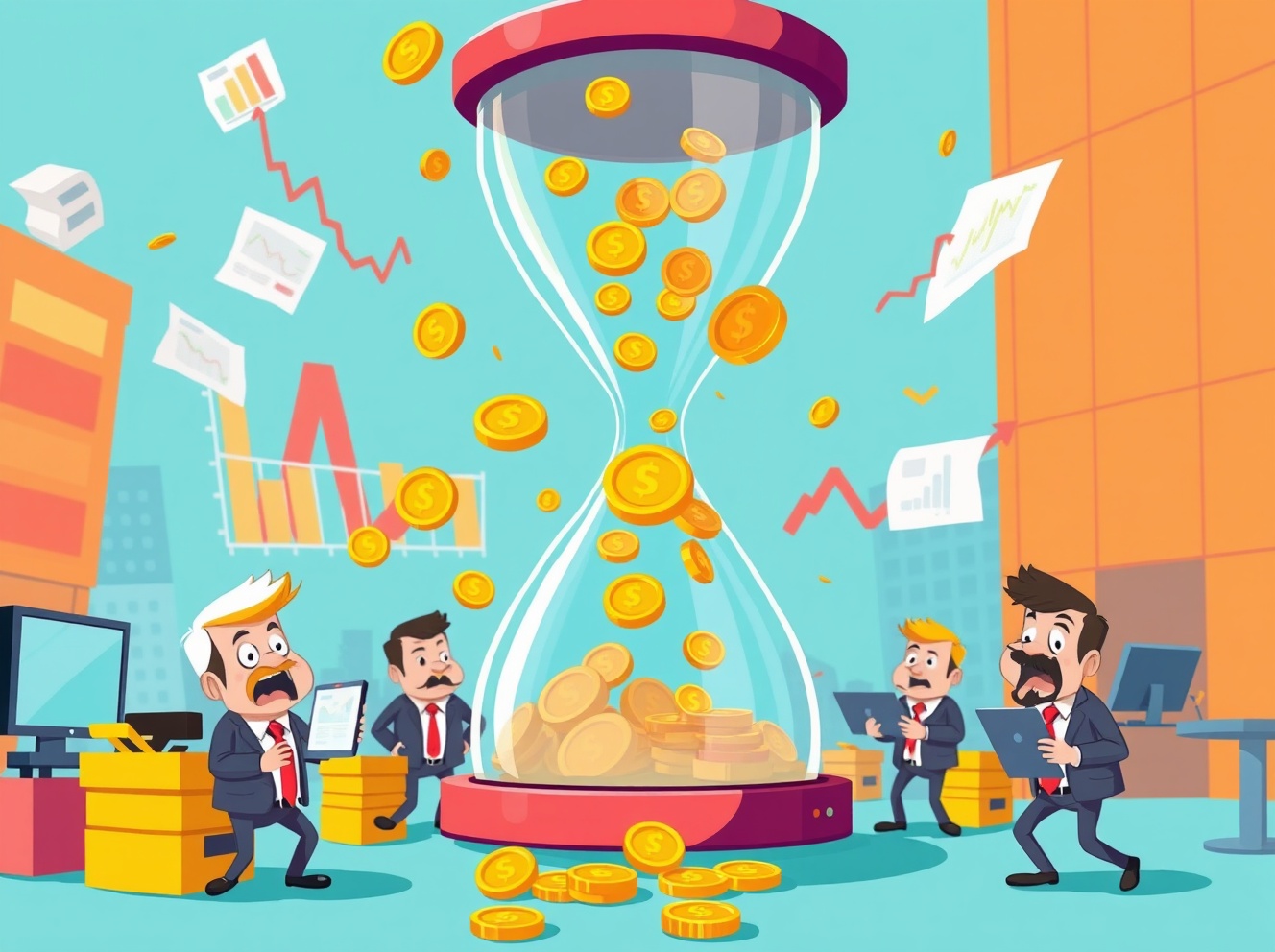
Futures Liquidated: The Stunning $210 Million Hour That Rocked Crypto Markets
The cryptocurrency market just experienced a heart-stopping hour, with a staggering $210 million worth of futures liquidated across major exchanges. This intense volatility serves as a brutal reminder of the high-stakes nature of leveraged trading. But what triggered this cascade, and more importantly, what does it mean for your portfolio? Let’s break down the events and uncover the crucial lessons every trader must learn.
What Does “$210 Million in Futures Liquidated” Actually Mean?
When we talk about futures being liquidated, we’re referring to the forced closure of leveraged trading positions. Essentially, exchanges automatically sell a trader’s assets when their position loses too much value to cover the initial borrowed funds, or margin. Therefore, the $210 million futures liquidated in 60 minutes represents a massive, synchronized wave of margin calls. This event is often a key indicator of extreme market sentiment and leverage unwinding at a rapid pace.
Why Did This Massive Liquidation Wave Happen?
Such a concentrated burst of futures liquidated doesn’t occur in a vacuum. It’s typically the result of a sharp, unexpected price movement that catches over-leveraged traders on the wrong side of the market. Common catalysts include:
- Major News Events: Surprising regulatory announcements or macroeconomic data.
- Large Whale Movements: A single entity executing a sizable trade that shifts momentum.
- Liquidity Crunch: Thin order books that amplify price swings.
- Cascading Effect: Initial liquidations trigger further price moves, forcing more liquidations in a vicious cycle.
The past 24-hour total of $450 million underscores that this was not an isolated spike but part of a broader period of market stress.
How Can Traders Navigate This Volatility?
Witnessing $210 million in futures liquidated is a powerful lesson in risk management. To protect yourself from being caught in the next liquidation storm, consider these actionable strategies:
- Use Lower Leverage: High leverage magnifies both gains and losses. Sticking to conservative multiples reduces liquidation risk.
- Set Stop-Loss Orders: Define your maximum loss beforehand. A stop-loss can execute a controlled exit before a margin call.
- Monitor Funding Rates: Extremely high positive or negative funding rates can signal overcrowded trades and potential reversals.
- Diversify and Hedge: Don’t put all your capital into leveraged futures. A balanced portfolio with spot holdings can provide a buffer.
Remember, the goal is to survive the downturns to participate in the recoveries.
What’s the Broader Impact on the Crypto Market?
A cascade of futures liquidated on this scale has ripple effects beyond just the traders involved. Firstly, it can lead to increased market volatility as forced selling pressures prices. Secondly, it often flushes out excessive leverage, which can create a healthier foundation for the next move, even if it’s painful in the short term. Moreover, such events test the resilience of exchange infrastructure and remind all participants of the inherent risks in speculative trading.
The Essential Takeaway from Today’s Market Shock
The headline of $210 million in futures liquidated is more than just a number—it’s a story of volatility, leverage, and market psychology. These events are inevitable in the crypto landscape. The key for informed investors is not to fear them but to understand their mechanics. By respecting the power of leverage and prioritizing capital preservation, you can navigate these turbulent waves without becoming another statistic in the next liquidation report.
Frequently Asked Questions (FAQs)
What causes a futures liquidation?
A futures liquidation occurs when a trader’s position loses enough value that their remaining margin can no longer cover potential losses. The exchange then forcibly closes the position to prevent further debt.
Are liquidations bad for the overall market?
In the short term, liquidations cause volatility and selling pressure. However, they can also remove excessive leverage from the system, which may lead to a more stable price foundation afterward.
How can I check if liquidations are happening?
You can use data websites like CoinGlass or Bybit’s heatmap to see real-time liquidation volumes across exchanges, often displayed per price level.
Does a high liquidation volume mean the price will reverse?
Not necessarily. While a “long squeeze” (where many long positions are liquidated) can sometimes mark a local bottom, it doesn’t guarantee an immediate reversal. Market context is crucial.
What’s the difference between liquidated and stopped out?
Being “stopped out” means your pre-set stop-loss order was triggered. Being “liquidated” is a forced closure by the exchange because your maintenance margin was breached, often resulting in total loss of the position’s margin.
Can I get my money back after a liquidation?
Typically, no. The liquidation process closes your position, and any remaining margin (if any) is returned. The majority of the margin used to open the leveraged trade is lost.
Share This Insight
Did this breakdown help you understand the dramatic market move? Knowledge is power in crypto trading. Share this article on your social media to help other traders grasp the reality behind the “$210 million futures liquidated” headline and build more resilient strategies.
To learn more about the latest crypto market trends, explore our article on key developments shaping Bitcoin price action and institutional adoption.
This post Futures Liquidated: The Stunning $210 Million Hour That Rocked Crypto Markets first appeared on BitcoinWorld.
You May Also Like

Voyager Technologies (VOYG) Stock Jumps 5% as Citi Sees 58% More Room to Run

US Treasury Secretary Bessant: The US will control the Strait of Hormuz sooner or later.


