

Revolutionary Partnership: How Pocket Network RPC Services Power GetBlock’s Decentralized Future
BitcoinWorld
Revolutionary Partnership: How Pocket Network RPC Services Power GetBlock’s Decentralized Future
In a significant move for decentralized web3 infrastructure, Pocket Network has announced a strategic partnership with node provider GetBlock. This collaboration centers on providing wholesale Pocket Network RPC services, a development that could reshape how developers access blockchain data. For anyone invested in the future of decentralized applications, this partnership signals a major step toward more resilient and cost-effective infrastructure.
What Does This Pocket Network RPC Services Deal Mean?
The core of the agreement is straightforward yet powerful. GetBlock will now receive Pocket Network RPC services at wholesale prices for all supported blockchain networks. Consequently, GetBlock can operate nodes for various chains at a significantly lower cost. This arrangement directly translates to potential savings and improved service for the countless developers and projects that rely on GetBlock’s platform.
Payments within this ecosystem will be made exclusively in POKT tokens, based on actual RPC usage. Therefore, as GetBlock’s demand for these services grows, so does the demand for the POKT token. Pocket Network expects this mechanism to not only increase token utility but also create a deflationary effect on its supply.
Why Is This Partnership a Game-Changer?
This deal addresses two critical pain points in the blockchain space: centralization risk and high infrastructure costs. By leveraging Pocket Network’s decentralized node network, GetBlock enhances its service reliability. If one node fails, hundreds of others can seamlessly handle the requests. This creates a robust Pocket Network RPC services layer that is resistant to outages and censorship.
For end-users, the benefits are clear:
- Lower Costs: Wholesale pricing allows GetBlock to offer competitive rates.
- Enhanced Reliability: Decentralization reduces single points of failure.
- Greater Access: Developers get reliable access to a wide array of chains.
How Does the POKT Token Benefit?
The tokenomics of this partnership are particularly compelling. The POKT token is the lifeblood of the Pocket Network ecosystem. Every RPC request served by a node operator requires a payment in POKT. With a major client like GetBlock now consuming these services at scale, the network’s usage is poised for a substantial uptick.
This usage-based model means value accrues directly to the token. More importantly, the protocol employs a unique burn mechanism. A portion of the POKT used for payments is permanently removed from circulation. As a result, increased demand from partnerships like this can lead to a deflationary pressure on the token’s total supply, potentially benefiting long-term holders.
What Are the Challenges and Future Outlook?
While the partnership is promising, success hinges on execution. GetBlock must successfully integrate and scale its use of the Pocket Network RPC services. Furthermore, the broader market must continue to value decentralization over the convenience of centralized providers like Infura or Alchemy.
However, the trend is encouraging. The web3 industry is increasingly prioritizing censorship-resistant and reliable infrastructure. Partnerships like this validate the economic model of decentralized service networks. If successful, it could pave the way for similar integrations, solidifying Pocket Network’s position as a leading provider of Pocket Network RPC services.
In summary, the Pocket Network and GetBlock partnership is more than a simple business deal. It is a strategic alignment that strengthens the decentralized backbone of web3. By making RPC access more affordable and robust, it empowers developers to build better applications. Simultaneously, it creates a powerful demand engine for the POKT token, aligning economic incentives with network growth and security. This collaboration exemplifies how thoughtful partnerships can accelerate the entire ecosystem’s move toward a truly decentralized future.
Frequently Asked Questions (FAQs)
What are RPC services in blockchain?
RPC (Remote Procedure Call) services are the interface that allows applications, like a crypto wallet or dApp, to communicate with a blockchain. They let you query data (like your balance) or send transactions.
How does Pocket Network’s model differ from traditional providers?
Traditional providers (e.g., Infura) run centralized server clusters. Pocket Network is decentralized, distributing requests across thousands of independent node operators, which improves uptime and reduces censorship risk.
What is the deflationary effect mentioned for the POKT token?
The protocol burns a portion of the POKT tokens used to pay for RPC services. As usage increases (like from the GetBlock deal), more tokens are burned, reducing the total supply over time, which can be positive for the token’s value if demand holds.
Will this partnership make GetBlock’s services cheaper for developers?
Potentially, yes. By accessing Pocket Network RPC services at wholesale prices, GetBlock lowers its own infrastructure costs. These savings can be passed on to its customers, offering more competitive pricing plans.
Which blockchains are supported through this partnership?
GetBlock will have access to all blockchain networks supported by Pocket Network. This includes major chains like Ethereum, Polygon, Avalanche, Solana, and many others, providing wide coverage for developers.
How does this improve reliability for end-users?
Decentralization means there is no single point of failure. If one node goes offline, the network automatically routes requests to other available nodes, ensuring consistent service availability.
Found this deep dive into the pivotal Pocket Network and GetBlock partnership insightful? This kind of infrastructure development is crucial for web3’s growth. Share this article on social media to spread the word about how decentralized RPC services are building a stronger blockchain foundation for everyone.
To learn more about the latest trends in decentralized infrastructure, explore our article on key developments shaping the future of blockchain node services and institutional adoption.
This post Revolutionary Partnership: How Pocket Network RPC Services Power GetBlock’s Decentralized Future first appeared on BitcoinWorld.
You May Also Like

Petron turns to Russian oil, secures 2.48 million barrels amid disruptions
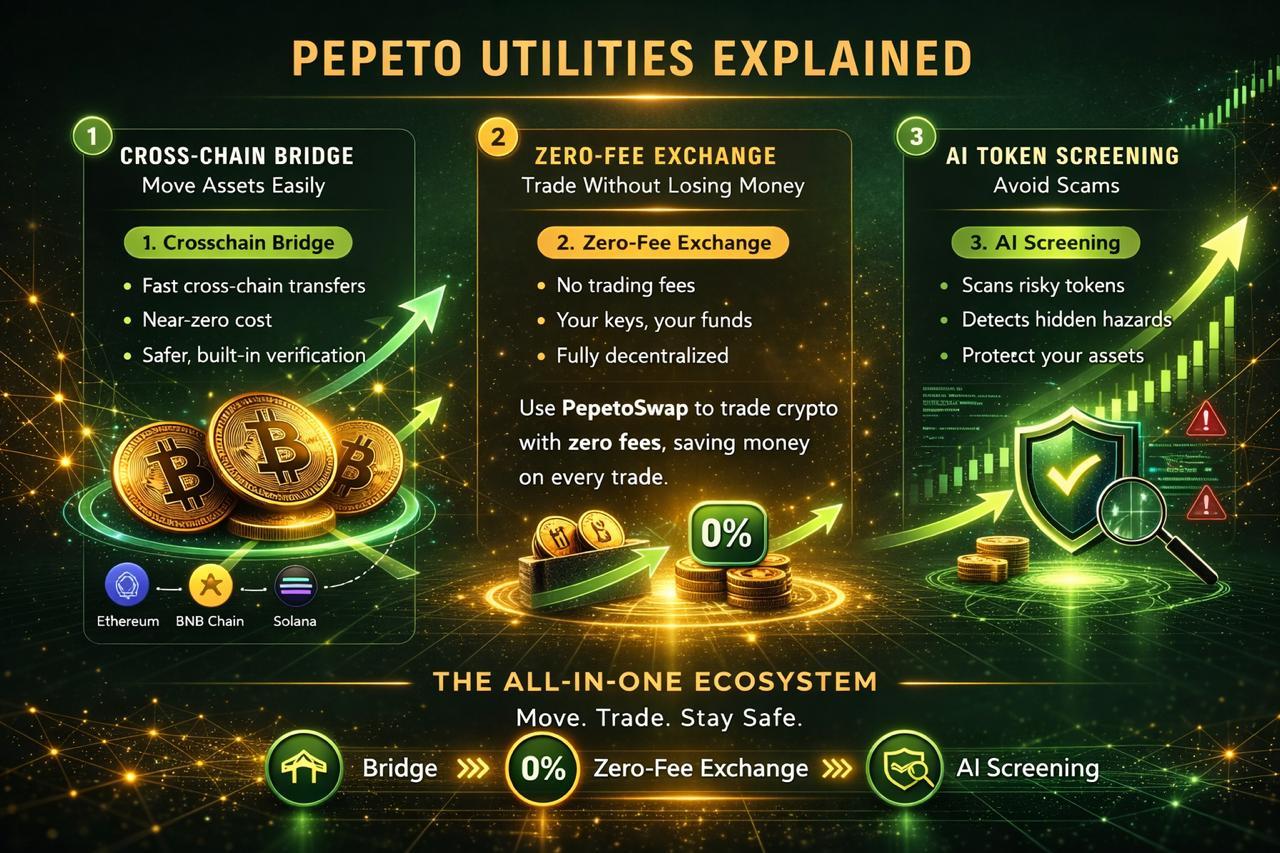
XRP Price Prediction Stuck at $1.33 as Institutions Plan to Buy Later but Pepeto Crosses $8 Million and Gives XRP Holders What Their Market Cap Blocks


