

Bioassay Method Transfer Strategies to Reduce Variability, Upcoming Webinar Hosted by Xtalks
In this free webinar, learn how to identify sources of variability in bioassay method transfers and describe how laboratory conditions, instrumentation, reagents and personnel technique impact reproducibility and data integrity. The featured speakers will explain phase-appropriate strategies for method transfer and validation from early development through commercialization, aligning with regulatory expectations for assay robustness and consistency. Attendees will compare FDA and EMA regulatory requirements for bioassay method transfers, including key guidance such as ICH Q2(R2), USP <1224> and EU GMP Chapter 6. The speakers will discuss risk-based approaches and documentation best practices to support successful method transfer, including identification of critical assay attributes and mitigation strategies for inter-lab variability.
TORONTO, Dec. 16, 2025 /PRNewswire/ — Bioassay variability can pose significant challenges due to laboratory conditions, instrumentation, analytical software, cell culture performance and reagent sourcing. These inconsistencies can impact assay reproducibility, data integrity and regulatory compliance, ultimately affecting product quality and potency assessments. This webinar will highlight phase-appropriate strategies that balance flexibility in early development with the rigour required for late-phase validation, ensuring method consistency.
Recent guidance from regulators emphasizes bioassays and potency assurance strategies, underscoring the robustness of these assays and their ability to be moved across multiple locations throughout product development.
The method transfer involves relocating a bioanalytical procedure from one laboratory environment, often a development or research lab, to another, such as a quality control lab, a contract research organization or back to the innovator’s lab. The FDA and EMA emphasize documentation, robust comparability studies and risk-based approaches to method validation. The aim is to ensure the method performs consistently across sites to maintain product quality, potency and comparability throughout the product lifecycle. This emphasizes the development of robust processes and a strong understanding of their critical attributes.
Key strategies for mitigating variability include:
- Reproducibility and Robustness: Demonstrate the assay yields compatible results across laboratories
- Documentation: Thorough records of the method, the assay performance and modifications
- Risk Assessment: Identifying critical assay parameters and implementing controls and procedures to mitigate risk
- Critical Attributes: Often identified through acceptance criteria but may include technique, reagents and details
- Phase Appropriate Considerations: The rigor of assay transfer and validation typically escalates as a product moves from early-phase clinical development toward commercialization
The featured speakers will discuss key objectives and considerations of early-, mid- and late-phase assay transfers and will compare FDA and EMA guidance for assays transferred to and from CMC testing laboratories (ICH Q2(R2), USP <1224> and EU GMP Chapter 6). Case studies will highlight the challenges and present solutions to illustrate how proactive planning, detailed transfer plans and adherence to regulatory guidelines can ensure assay performance remains consistent across laboratories.
Register for this webinar to learn how bioassay method transfer strategies support reliable assay performance and minimize variability.
Join experts from BioAgilytix, Jessica Weaver (Moderator), MRes, Scientific Officer, CMC; Katie Harcher, MS, Bioanalytical Project Manager; Julia Hecker, PhD, Principal Investigator; and Leigh Laundon, PhD, Manager I, for the live webinar on Wednesday, January 14, 2026, at 10am EST (4pm CET/EU-Central).
For more information, or to register for this event, visit Bioassay Method Transfer Strategies to Reduce Variability.
ABOUT XTALKS
Xtalks, powered by Honeycomb Worldwide Inc., is a leading provider of educational webinars and digital content to the global life science, food, healthcare and medical device communities. Every year, thousands of industry practitioners (from pharmaceutical, biotechnology, food, healthcare and medical device companies, private & academic research institutions, healthcare centers, etc.) turn to Xtalks for access to quality content. Xtalks helps professionals stay current with industry developments, regulations and jobs. Xtalks webinars also provide perspectives on key issues from top industry thought leaders and service providers.
To learn more about Xtalks visit www.xtalks.com
For information about hosting a webinar visit www.xtalks.com/why-host-a-webinar/
Contact:
Vera Kovacevic
Tel: +1 (416) 977-6555 x371
Email: vkovacevic@xtalks.com
 View original content to download multimedia:https://www.prnewswire.com/news-releases/bioassay-method-transfer-strategies-to-reduce-variability-upcoming-webinar-hosted-by-xtalks-302643854.html
SOURCE Xtalks
You May Also Like
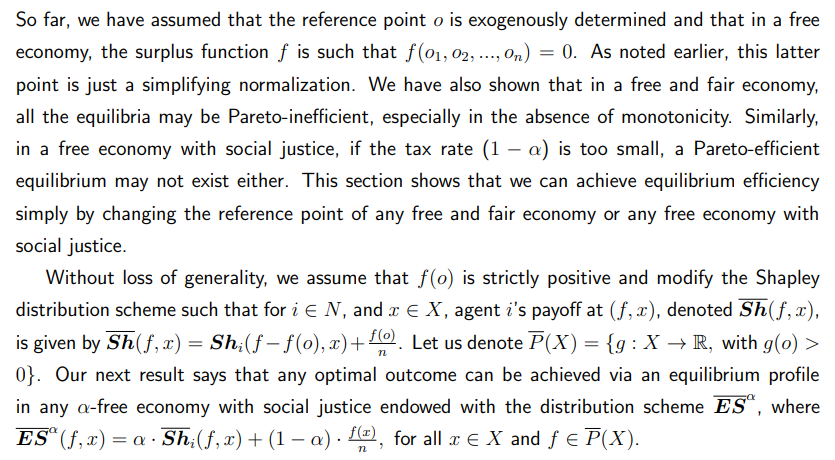
The Role of Reference Points in Achieving Equilibrium Efficiency in Fair and Socially Just Economies

Cryptos Signal Divergence Ahead of Fed Rate Decision


