Do Kwon’s Sentence: Could a Shorter Prison Term Await in South Korea?

BitcoinWorld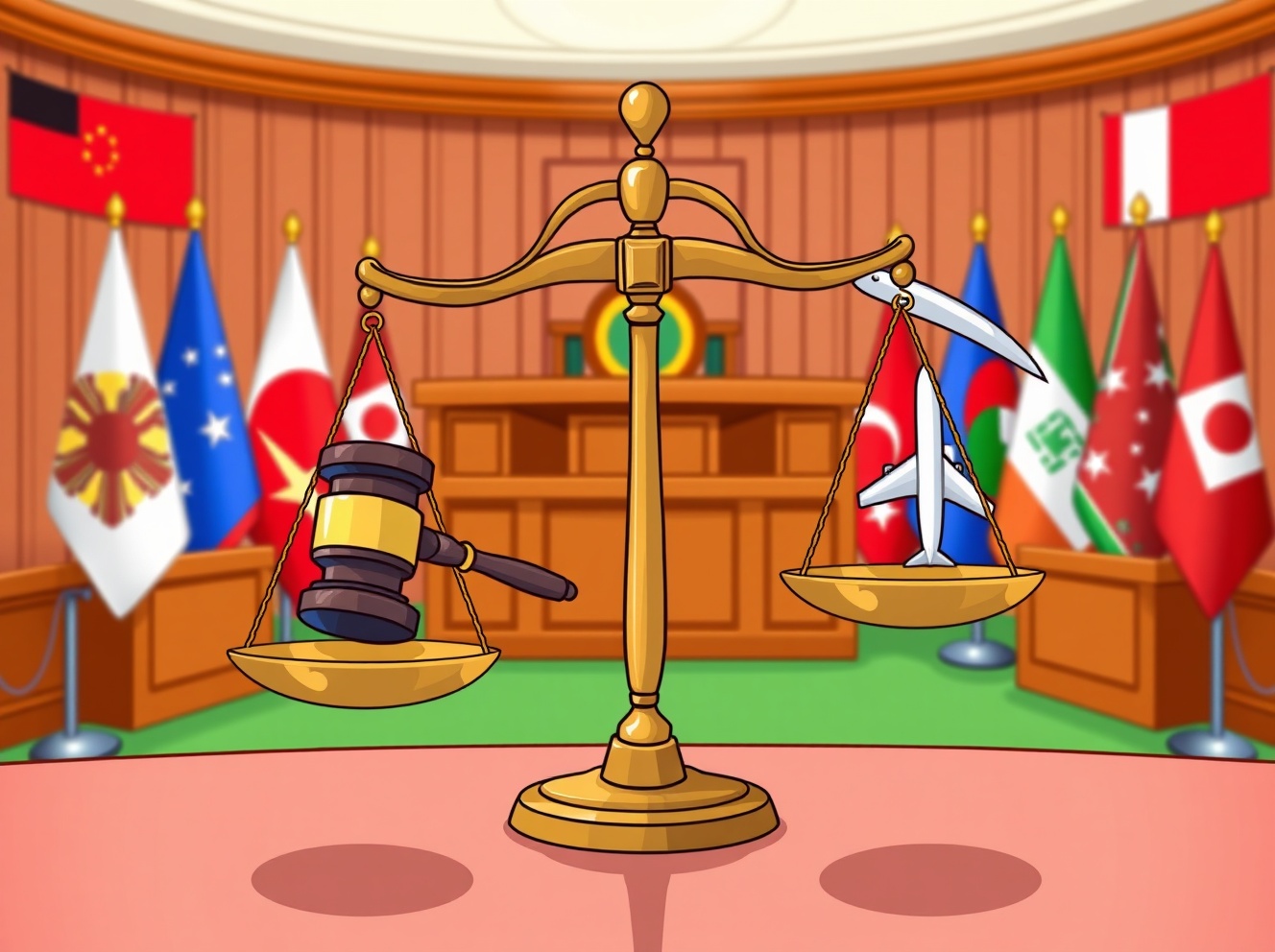
Do Kwon’s Sentence: Could a Shorter Prison Term Await in South Korea?
In a stunning twist to one of crypto’s biggest legal dramas, Terraform Labs co-founder Do Kwon’s 15-year U.S. prison sentence might not be the final chapter. New reports suggest his Do Kwon sentence could be significantly reduced if he is extradited to his home country. This development throws a fascinating curveball into a case that has captivated the cryptocurrency world, raising critical questions about international law and justice.
Could Do Kwon’s Sentence Really Be Shorter in South Korea?
According to a report from the Beopryul Shinmun, a South Korean legal newspaper, Do Kwon could face a potentially lighter-than-expected Do Kwon sentence upon extradition. While South Korean law allows for a severe penalty range of five years to life for similar financial fraud charges, a crucial legal provision offers a glimmer of hope for the disgraced founder. This provision centers on crediting time already served.
Therefore, the years Kwon spends in a U.S. prison could directly reduce any subsequent sentence handed down by a South Korean court. This legal nuance creates a complex, multi-jurisdictional puzzle that will ultimately determine the true length of his incarceration.
What is Article 7 and How Does It Affect His Fate?
The key to a potentially reduced Do Kwon sentence lies in Article 7 of South Korea’s Criminal Act. This article is not a get-out-of-jail-free card, but a mechanism for judicial discretion. It allows a judge to consider time served in a foreign prison when determining a domestic sentence.
- Judicial Discretion: The judge has the power to decide how much foreign prison time counts.
- Not Automatic: Credit for time served is not guaranteed and must be argued in court.
- Potential Outcome: This could mean Kwon serves a fraction of a South Korean sentence if he has already spent years in U.S. custody.
Moreover, U.S. prosecutors have reportedly agreed not to oppose his transfer after he serves half of his American term. This agreement opens the door for a potential move to South Korea before his U.S. sentence concludes, adding another layer to this international legal saga.
What Are the Challenges and Next Steps?
While the possibility of a reduced Do Kwon sentence exists, the path is fraught with legal hurdles. Extradition treaties and bilateral agreements between the U.S. and South Korea will play a decisive role. Furthermore, South Korean authorities must formally request his transfer, and U.S. courts must approve it.
The final length of any Do Kwon sentence in South Korea would also depend on the specific charges prosecutors bring and the evidence presented. South Korean courts may weigh the severity of the Terra/LUNA collapse, which wiped out an estimated $40 billion in investor wealth, very heavily, regardless of time served abroad.
Conclusion: A Legal Tug-of-War with Global Implications
The evolving story of Do Kwon’s sentence highlights the intricate dance of international law in the digital age. For the crypto community, it sets a powerful precedent for how global authorities handle catastrophic platform failures. While a reduced prison term in South Korea is a possibility, it is far from a certainty. The coming months will reveal whether justice, as perceived by two different nations, leads to a shorter or longer confinement for the figure at the center of one of finance’s most spectacular downfalls.
Frequently Asked Questions (FAQs)
What was Do Kwon originally sentenced to in the U.S.?
Do Kwon was sentenced to 15 years in prison by a U.S. court for fraud related to the collapse of Terraform Labs and its cryptocurrencies.
Why might his sentence be lighter in South Korea?
South Korean law (Article 7 of the Criminal Act) allows judges to credit time served in a foreign prison toward a domestic sentence, potentially reducing the total time he must serve.
Have U.S. authorities agreed to his transfer?
Reports indicate U.S. prosecutors have agreed not to oppose transferring Do Kwon to South Korea after he serves half of his U.S. sentence.
What is the range of punishment he faces in South Korea?
He could face a sentence ranging from five years to life in prison, depending on the charges and the court’s ruling.
Does this mean he will definitely get out earlier?
No. A reduced sentence is a possibility, not a guarantee. It depends on judicial discretion, the final charges, and the extradition process.
What does this mean for other crypto legal cases?
This case establishes a complex precedent for cross-border enforcement and sentencing in the largely unregulated cryptocurrency industry.
Found this deep dive into Do Kwon’s international legal battle insightful? The world of crypto regulation is constantly shifting. Help others stay informed by sharing this article on your social media channels.
To learn more about the latest trends in cryptocurrency regulation and legal cases, explore our article on key developments shaping the future of crypto compliance and institutional adoption.
This post Do Kwon’s Sentence: Could a Shorter Prison Term Await in South Korea? first appeared on BitcoinWorld.

You May Also Like

The Role of Reference Points in Achieving Equilibrium Efficiency in Fair and Socially Just Economies

Cryptos Signal Divergence Ahead of Fed Rate Decision