Major US Stock Indices Close Lower: What This Market Pullback Means for Your Portfolio
BitcoinWorld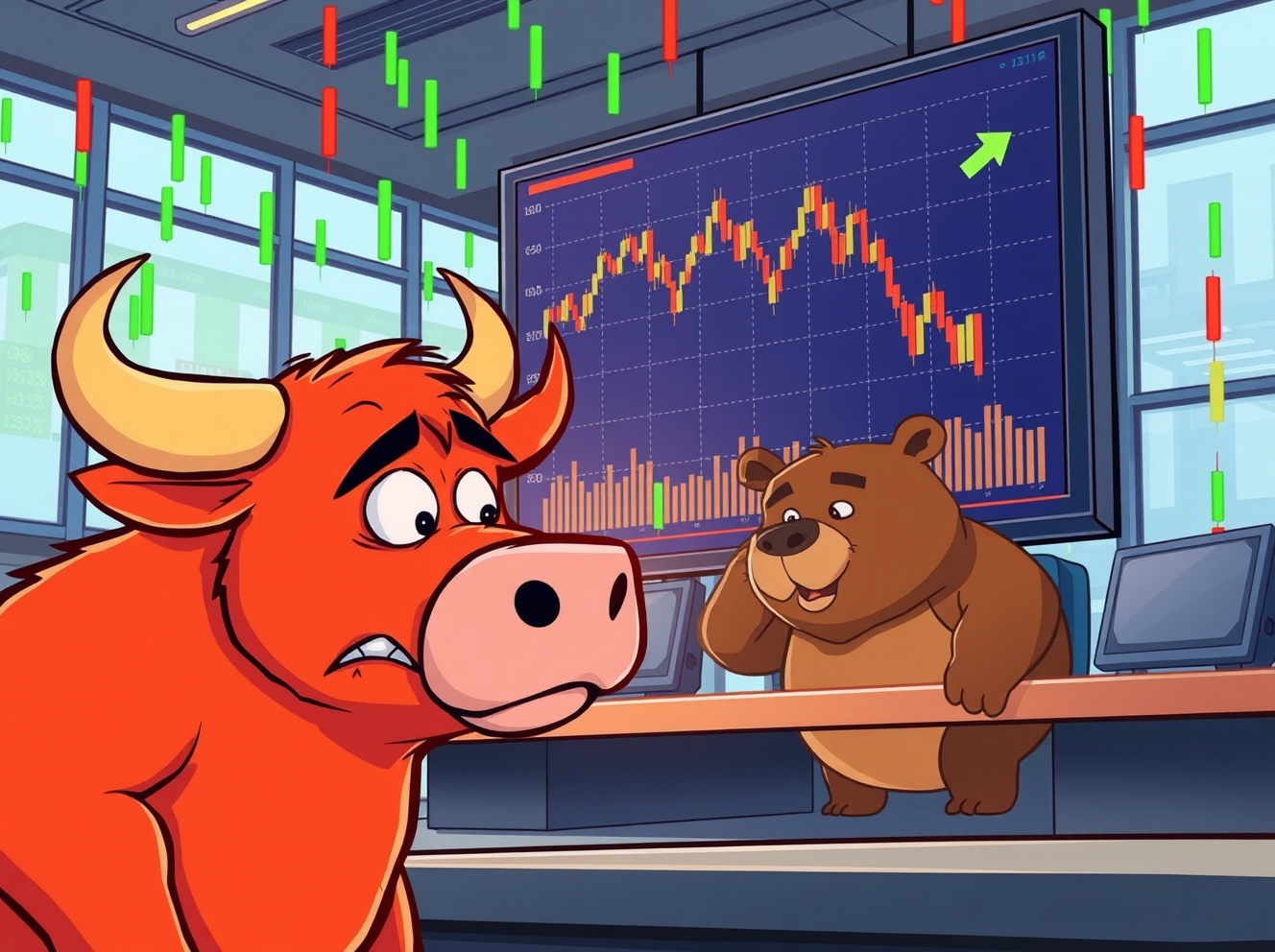
Major US Stock Indices Close Lower: What This Market Pullback Means for Your Portfolio
Investors faced a sobering reality as trading closed on Wall Street, with all three major US stock indices closing lower in a broad market retreat. The S&P 500 fell 1.16%, the tech-heavy Nasdaq Composite dropped 1.81%, and the Dow Jones Industrial Average declined by 0.47%. This synchronized decline raises important questions about market sentiment and future direction.
Why Did US Stock Indices Close Lower Today?
Market analysts point to several converging factors that contributed to the downward pressure. First, renewed inflation concerns emerged after stronger-than-expected economic data. Second, rising Treasury yields made bonds more attractive relative to stocks. Third, specific sector weaknesses in technology and consumer discretionary stocks dragged down the broader indices. When US stock indices close lower simultaneously, it typically signals broader market anxiety rather than isolated sector issues.
The technology sector faced particular pressure, explaining why the Nasdaq saw the steepest decline. Many growth stocks are sensitive to interest rate expectations, and today’s economic data suggested the Federal Reserve might maintain higher rates for longer. This environment challenges the valuation models for many tech companies that rely on future earnings growth.
Breaking Down the Numbers: Which Sectors Struggled Most?
Let’s examine what drove the declines across different market segments:
- S&P 500 (down 1.16%): This broad market index showed weakness across multiple sectors, with technology, consumer discretionary, and communication services leading the declines.
- Nasdaq Composite (down 1.81%): As a technology-heavy index, the Nasdaq felt the brunt of investor rotation away from growth stocks toward more defensive positions.
- Dow Jones Industrial Average (down 0.47%): The more modest decline here reflects the index’s composition of established, dividend-paying companies that often weather market volatility better.
The pattern suggests investors are reassessing risk appetite. When major US stock indices close lower with this configuration, it often indicates a shift toward more conservative positioning.
Is This a Temporary Pullback or Start of a Larger Correction?
Market history provides context for today’s movement. The S&P 500 has experienced 14 pullbacks of 5% or more since 2009, with the average decline being 13%. Today’s drop represents a normal fluctuation within a bull market rather than an alarming crash. However, the concentration of selling in growth stocks warrants attention.
Several technical indicators flashed warning signs today. Trading volume increased during the decline, suggesting conviction behind the selling. The VIX volatility index, often called the “fear gauge,” jumped significantly. These signals don’t necessarily predict a bear market, but they do indicate increased uncertainty among market participants.
What Should Investors Do When Stock Indices Decline?
Market declines create both challenges and opportunities. Here are actionable insights for navigating this environment:
- Review your asset allocation: Ensure your portfolio matches your risk tolerance and investment timeline.
- Consider dollar-cost averaging: Regular investments during market dips can lower your average purchase price over time.
- Focus on quality companies Market pullbacks often separate fundamentally strong companies from speculative ones.
- Avoid emotional decisions History shows that investors who panic-sell during declines often miss the subsequent recovery.
Remember that seeing US stock indices close lower is a normal part of market cycles. The S&P 500 has delivered positive returns in 40 of the past 50 years despite numerous pullbacks along the way.
The Bottom Line: Perspective Matters in Market Volatility
Today’s market decline serves as a reminder that investing involves periodic setbacks. The synchronized drop across major US stock indices closing lower reflects legitimate concerns about economic conditions and monetary policy. However, it doesn’t necessarily alter the long-term trajectory for well-diversified portfolios.
Successful investors maintain perspective during these periods. They understand that market volatility creates opportunities to buy quality assets at discounted prices. They also recognize that trying to time the market perfectly often leads to worse outcomes than staying disciplined through normal fluctuations.
The key takeaway? Today’s decline represents a single data point in a much larger financial journey. While it’s important to understand why US stock indices close lower, it’s equally important to avoid overreacting to short-term movements.
Frequently Asked Questions
What causes all three major indices to decline simultaneously?
Simultaneous declines typically occur when macroeconomic factors affect the entire market rather than specific sectors. These can include interest rate changes, inflation data, geopolitical events, or broad economic concerns that impact corporate earnings expectations across industries.
How long do market pullbacks usually last?
Historical data shows that pullbacks (declines of 5-10%) average about a month in duration, while corrections (declines of 10-20%) typically last around four months. However, each market event has unique characteristics, and past performance doesn’t guarantee future results.
Should I sell my investments when markets decline?
Most financial advisors recommend against selling during market declines unless your financial situation or goals have changed. Selling converts paper losses into real losses and often causes investors to miss the recovery that typically follows market downturns.
Which sectors typically perform best after market declines?
Historically, cyclical sectors like technology, consumer discretionary, and industrials often lead during recovery phases. However, defensive sectors like utilities and consumer staples typically show more resilience during the decline itself.
How does today’s decline compare to historical market drops?
Today’s decline is relatively modest compared to historical standards. The S&P 500 has experienced much larger single-day declines, including multiple drops exceeding 5% during the 2008 financial crisis and the 2020 pandemic sell-off.
What indicators should I watch to gauge market recovery?
Key indicators include trading volume (declining volume on down days suggests selling pressure is easing), market breadth (more stocks advancing than declining), and stabilization in bond yields and currency markets.
Share This Market Insight
Did you find this analysis helpful? Market knowledge grows when shared. Help fellow investors stay informed by sharing this article on your social media channels. Understanding why US stock indices close lower helps everyone make better financial decisions. Click the share buttons below to spread this valuable market perspective!
To learn more about navigating market volatility, explore our article on key developments shaping investment strategies during uncertain economic conditions.
This post Major US Stock Indices Close Lower: What This Market Pullback Means for Your Portfolio first appeared on BitcoinWorld.
You May Also Like

Aave DAO to Shut Down 50% of L2s While Doubling Down on GHO

New Crypto Investors Are Backing Layer Brett Over Dogecoin After Topping The Meme Coin Charts This Month