

Revolutionary Decentralized Identity: How Creditcoin and Midnight Partner to Defeat AI Deepfakes

BitcoinWorld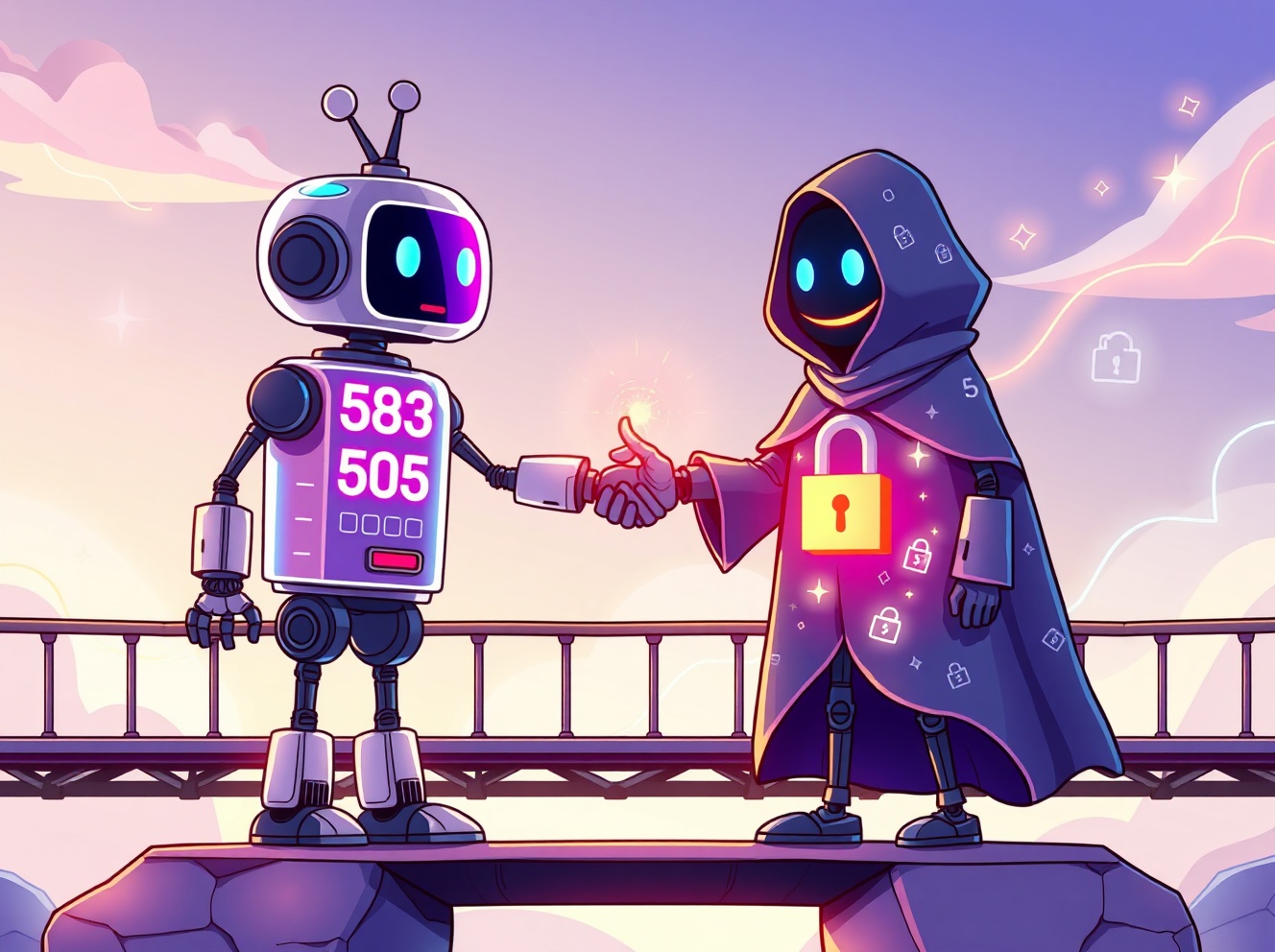
Revolutionary Decentralized Identity: How Creditcoin and Midnight Partner to Defeat AI Deepfakes
Imagine a digital world where you can prove who you are without handing over your passport, social security number, or private bank statements. This vision is moving closer to reality. In a significant blockchain development, Creditcoin (CTC) has announced a powerful partnership with the privacy-focused network, Midnight. Their mission? To construct a revolutionary decentralized identity infrastructure that can stand firm against the rising tide of AI-powered deepfakes and fraud.
What Does This Decentralized Identity Partnership Aim to Achieve?
At its core, this collaboration is about merging two powerful forces. Creditcoin brings a unique asset to the table: verifiable, on-chain credit history. Meanwhile, Midnight, a project led by Cardano founder Charles Hoskinson, contributes its advanced privacy-preserving technology. The goal is to create a new model for human authentication. This model wouldn’t rely on easily stolen documents but on a person’s proven financial behavior, all while keeping their sensitive data completely private.
Why Is a New Decentralized Identity System Urgently Needed?
The digital landscape is becoming increasingly hazardous. Sophisticated AI tools can now generate convincing fake videos, audio, and documents, making traditional verification methods obsolete. This partnership directly addresses that threat. The proposed decentralized identity framework aims to:
- Verify Economic Activity: Confirm a user’s real-world financial behavior without exposing transaction details.
- Combat Deepfakes: Create a verification layer that AI-generated forgeries cannot easily bypass.
- Preserve Privacy: Use zero-knowledge proofs and other privacy tech to share only the proof of legitimacy, not the underlying data.
How Will Creditcoin and Midnight’s Technologies Work Together?
Think of it as building a trustworthy digital resume that you control. Creditcoin’s blockchain acts as a secure, tamper-proof ledger of creditworthy interactions. Midnight’s platform provides the “privacy cloak,” allowing you to present proof of your good history without revealing the specifics. For example, you could prove you have a reliable repayment history to a lender without showing every loan you’ve ever taken. This synergy could unlock secure access to global financial services for millions.
What Are the Potential Challenges for This Decentralized Identity Vision?
While the potential is transformative, the path has hurdles. Widespread adoption requires convincing institutions and users to trust a new, unfamiliar system. Furthermore, designing a decentralized identity protocol that is both globally interoperable and compliant with diverse regional regulations is a complex task. The technical challenge of making the system seamless for everyday users cannot be underestimated.
The Transformative Impact of a Successful Decentralized Identity System
Success here would be a watershed moment. It would shift power from centralized data hoarders back to individuals. You would own and control your digital self. This could revolutionize everything from KYC processes and secure voting to streamlined job applications and trusted social media interactions. The partnership between Creditcoin and Midnight isn’t just building a tool; it’s laying the groundwork for a more secure and private internet.
In conclusion, the alliance between Creditcoin and Midnight marks a proactive step toward solving one of the web’s most pressing issues: proving you are you in the age of AI. By leveraging on-chain credit data and cutting-edge privacy technology, they are pioneering a decentralized identity solution that promises enhanced security, user sovereignty, and resilience against digital forgery. This collaboration could very well define the standard for how we establish trust online in the coming decade.
Frequently Asked Questions (FAQs)
What is decentralized identity (DID)?
Decentralized identity is a model where individuals own and control their digital identifiers (like a digital driver’s license) without relying on a central authority like a government or corporation.
How can blockchain verify my identity without my data?
Using privacy technologies like zero-knowledge proofs, a blockchain can verify that your data meets certain criteria (e.g., “credit score > 700”) without ever seeing the actual score or your personal details.
What role does Creditcoin play in this partnership?
Creditcoin provides the foundational layer of verifiable, on-chain financial history and credit data that can be used as a proof point for authentication.
Who is behind the Midnight blockchain?
Midnight is a privacy-focused blockchain project developed by Input Output Global (IOG) and led by Charles Hoskinson, the co-founder of Ethereum and founder of Cardano.
Can this technology really stop AI deepfakes?
It aims to create a verification layer that is separate from easily forged media. While not a “silver bullet,” it makes identity theft and synthetic fraud significantly harder by anchoring identity to immutable, private behavioral proof.
When will this decentralized identity system be available?
The announcement is for a research and development collaboration. A functional, mainstream product will likely take considerable time for development, testing, and adoption.
Found this deep dive into the future of digital identity fascinating? Help others stay informed about groundbreaking blockchain partnerships by sharing this article on your social media channels!
To learn more about the latest trends in blockchain and digital identity, explore our article on key developments shaping the future of secure online authentication.
This post Revolutionary Decentralized Identity: How Creditcoin and Midnight Partner to Defeat AI Deepfakes first appeared on BitcoinWorld.


You May Also Like

Saylor Says Strategy’s Bitcoin Credit Model Is Not A Ponzi Scheme

GOP lawmakers want nothing to do with Trump's ballroom chaos: report




