- Main event emphasizes Bitcoin’s coiling before breakout potential.
- BTC coiling sets up massive breakout expectations.
- Market impact hints at significant price movements ahead.
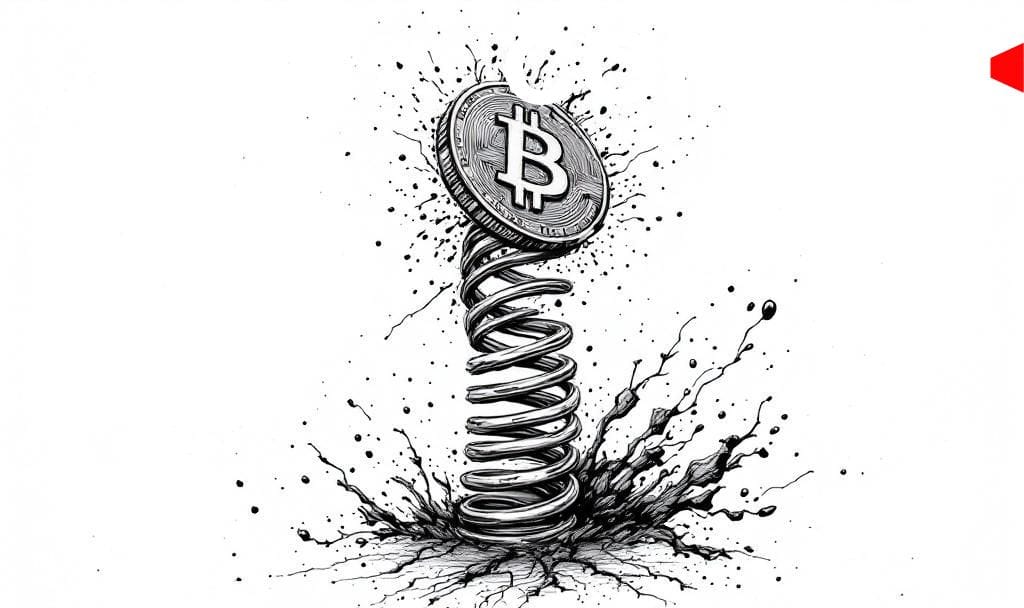 Market Analysts Predict Bitcoin’s Coiling Phase Signals Breakout
Bitcoin, trading near $88K, is in a coiling phase, suggesting a potential breakout, according to analyses by institutional players including Bitwise Asset Management as of December 2025.
The coiling phase signals a potentially undervalued Bitcoin poised for a breakout, affecting BTC-centric assets and institutional flows, as indicated by expert research and analysis.
Bitcoin is reported to be in a coiling phase around $88,000, rather than experiencing a crash. This comes from analyst predictions indicating potential massive breakout movements in the near future, positioning BTC for significant market dynamics.
Key analysts including PlanB and Bitwise Asset Management emphasize Bitcoin’s market positioning. They view the current pullback as a high-compression setup, suggesting undervaluation ahead of 2026 rather than a lasting downturn. The narrative is gaining traction.
Immediate market effects may reflect on Bitcoin’s valuation and investor sentiment. On-chain analysts signal this phase as indicative of cycle resilience, causing potential shifts in investment strategies and institutional allocations.
Financial implications include ETF allocations and regulatory clarity influencing demand. Further, the mining sector may face stress, impacting public miners with pressure points for future recovery and profit margins tied to BTC’s price movements.
Future Bitcoin evaluations could see notable regulatory impacts with ETF expansions. Institutional frameworks will likely play a role in dictating market flows, providing further liquidity and opportunities for valuation growth as market strategies evolve.
Analysts draw from historical post-halving patterns and macro trends, suggesting this market setup matches past resilience phases. Data points to BTC fostering potential rallies while maintaining its position as a crucial asset for macro-hedging purposes.