

Exposed: South Korea’s FIU Launches Critical Sanction Process Against Korbit Exchange
BitcoinWorld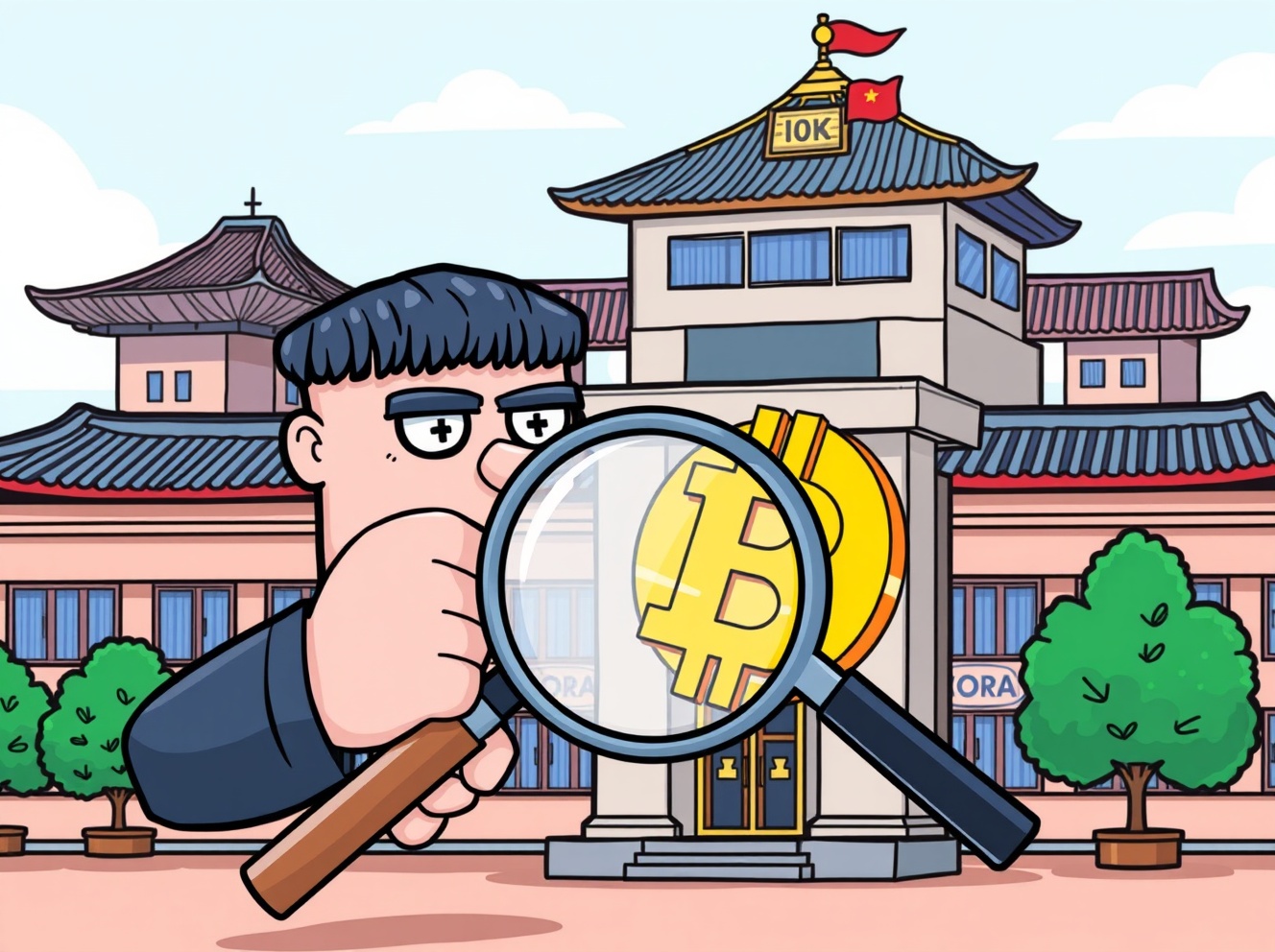
Exposed: South Korea’s FIU Launches Critical Sanction Process Against Korbit Exchange
South Korea’s financial regulators have taken decisive action against one of the country’s prominent cryptocurrency exchanges. The Financial Intelligence Unit (FIU) has officially initiated a sanction process against Korbit, marking a significant escalation in the nation’s crypto regulatory enforcement. This development signals South Korea’s commitment to strict compliance in the digital asset space.
What Triggered the South Korea FIU Sanction Process?
According to exclusive reports from Aju Business Daily, the South Korea FIU sanction process began when Korbit received a preliminary notice on December 18. The Financial Services Commission’s intelligence unit identified potential violations of anti-money laundering obligations. This notice represents the first formal step in what could become substantial penalties for the exchange.
Industry sources confirmed the development on December 22, revealing that Korbit now faces a critical review period. The exchange has approximately 10 days to present its case before the FIU’s Sanctions Deliberation Committee makes a final decision. This timeline creates urgent pressure for Korbit’s compliance team.
How Does the Sanction Process Work in South Korea?
The South Korea FIU sanction process follows a structured procedure designed to ensure fairness while maintaining regulatory authority. Here’s what happens next:
- Preliminary Notice: Korbit received formal notification of alleged violations
- Opinion Hearing Period: Approximately 10 days for the exchange to respond
- Committee Deliberation: The FIU’s Sanctions Deliberation Committee reviews all evidence
- Final Decision: Determination of penalties, which may include substantial fines
This process demonstrates South Korea’s methodical approach to cryptocurrency regulation. Unlike some jurisdictions that act hastily, the FIU provides exchanges with opportunities to defend themselves while maintaining strict enforcement standards.
Why Is This Sanction Process Significant for Crypto Investors?
The South Korea FIU sanction process against Korbit carries important implications for the broader cryptocurrency market. South Korea represents one of Asia’s most active crypto trading environments, making regulatory actions particularly influential. When a major exchange faces potential penalties, it affects:
- Market Confidence: Regulatory actions can impact investor trust
- Compliance Standards: Other exchanges may tighten their procedures
- International Perception: Global observers watch South Korea’s regulatory approach
- User Security: Stronger enforcement potentially improves consumer protection
This development follows increased global scrutiny of cryptocurrency anti-money laundering practices. South Korea’s proactive stance positions it as a leader in responsible crypto regulation.
What Could This Mean for Korbit’s Future Operations?
The ongoing South Korea FIU sanction process presents both challenges and opportunities for Korbit. As one of the country’s established exchanges, how it handles this situation will likely influence its market position. Potential outcomes include:
Financial penalties could range from warnings to substantial fines, depending on the severity of violations. Operational changes might be required, including enhanced compliance systems and reporting procedures. Market reputation may be affected, though transparent cooperation with regulators could mitigate damage.
Korbit’s response during the opinion hearing period will be crucial. The exchange must demonstrate commitment to compliance while protecting its business interests. This balancing act requires careful navigation of South Korea’s regulatory landscape.
Conclusion: A Watershed Moment for Korean Crypto Regulation
The South Korea FIU sanction process against Korbit represents more than just regulatory action against a single exchange. It signals South Korea’s determination to enforce strict anti-money laundering standards in the cryptocurrency sector. This development should encourage other exchanges to review their compliance frameworks thoroughly.
For investors, this action demonstrates that South Korea takes cryptocurrency regulation seriously, potentially increasing long-term market stability. While short-term uncertainty may arise, robust regulation typically supports sustainable industry growth. The final decision from the FIU’s Sanctions Deliberation Committee will set important precedents for future regulatory actions.
Frequently Asked Questions
What is the South Korea FIU?
The Financial Intelligence Unit (FIU) operates under South Korea’s Financial Services Commission. It focuses on preventing money laundering and terrorist financing across financial institutions, including cryptocurrency exchanges.
What violations did Korbit allegedly commit?
While specific details haven’t been fully disclosed, the FIU’s preliminary notice concerns violations of anti-money laundering obligations. These typically involve inadequate customer verification, suspicious transaction reporting, or record-keeping failures.
How long will the sanction process take?
Korbit has approximately 10 days for the opinion hearing period after receiving the preliminary notice. Following this, the FIU’s Sanctions Deliberation Committee will review the case and make a final decision, though exact timing varies.
What penalties could Korbit face?
Potential penalties include financial fines, operational restrictions, or mandated compliance improvements. The severity depends on the nature and extent of the violations identified during the FIU’s investigation.
Will this affect other South Korean exchanges?
While directly targeting Korbit, this action signals increased regulatory scrutiny that may lead other exchanges to review and strengthen their compliance programs to avoid similar proceedings.
How should Korbit users respond?
Users should monitor official communications from Korbit regarding the situation. The exchange continues operating normally during the sanction process, but users might consider reviewing their security settings and staying informed about developments.
Found this analysis helpful? Share this article with fellow cryptocurrency enthusiasts and investors on your social media platforms. Spreading awareness about regulatory developments helps create a more informed and responsible crypto community. Your shares contribute to better understanding of how regulations shape the future of digital assets.
To learn more about the latest cryptocurrency regulatory trends, explore our article on key developments shaping global cryptocurrency compliance frameworks and institutional adoption.
This post Exposed: South Korea’s FIU Launches Critical Sanction Process Against Korbit Exchange first appeared on BitcoinWorld.


You May Also Like
Trump says US will hit Iran ‘very hard tonight’

Canton Developer Digital Asset Raises $355M as Wall Street Doubles Down on Blockchain Infrastructure

South Africa's 2026 World Cup Starting XI: Can Bafana Bafana Upset Mexico in the Opening Match?



