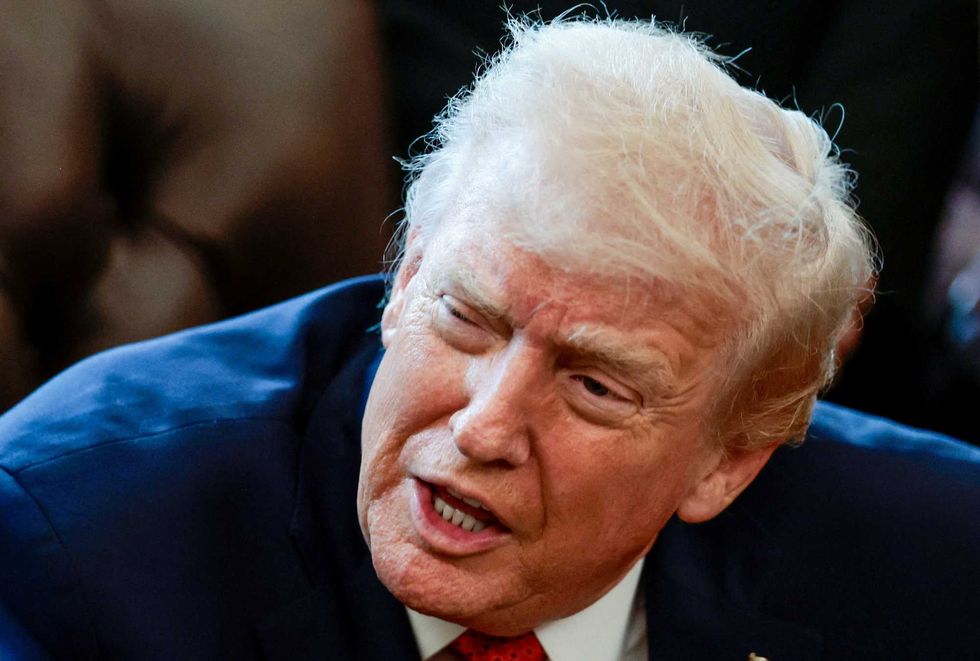
Jamie Dimon, who for years called Bitcoin a fraud, now presides over a bank quietly assembling a crypto trading apparatus.Jamie Dimon, who for years called Bitcoin a fraud, now presides over a bank quietly assembling a crypto trading apparatus.

Wall Street’s Crypto Divide: Inside JPMorgan’s Pivot

Wall Street’s Crypto Conversion: Why Jpmorgan’s Pivot Exposes The Real Divide Between Headlines And Reality

1. The Reversal

Begin with the contradiction at the heart of 2025: Jamie Dimon—who for years called Bitcoin a fraud, dismissed crypto as a pet rock, and compared ownership to “your right to smoke”,now presides over a bank quietly assembling a crypto trading apparatus.

Bloomberg’s Monday report didn’t describe a side-experiment. It described the biggest bank in America building spot and derivatives capabilities ,the very instruments Dimon said had no purpose.

Contextualize that this isn’t a sudden epiphany. JPMorgan (NYSE: JPM) has been signaling a silent strategy shift for over a year:

  • a tokenized money market fund on Ethereum,

  • a tokenized short-term bond on Solana with Galaxy Digital,

  • and internal frameworks for accepting BTC/ETH as loan collateral.

What looks like a “pivot” is actually a breadcrumb trail. The world’s most influential bank has been preparing for crypto’s institutional phase while publicly downplaying it.

2. The Convergence Narrative 

Pull back to the macro lens: 2025’s numbers look like the future already arrived.

  • $57B flowed into spot Bitcoin ETFs this year alone.

  • BlackRock’s ETF now holds $68B, effectively becoming a shadow central bank for Bitcoin.

  • Tokenized real-world assets (RWAs) surpassed $33B—up 500% in two years.

  • Binance rolled out a white-label “crypto-as-a-service” stack so banks can launch trading desks overnight.

  • Standard Chartered, Goldman (NYSE: GS), BNY Mellon, Intesa Sanpaolo (BIT: ISP)… the list of incumbents experimenting grows by the month.
Meanwhile, 88% of global banks are reportedly exploring blockchain-based services behind the scenes. Stablecoins once niche processed $3T in a single month, outpacing Visa’s quarterly volume.

The infrastructure is in place: regulatory-compliant exchanges, institutional custody, tokenized treasuries, settlement rails that operate in seconds.

On paper, the convergence of TradFi and crypto looks complete. But that’s the illusion.

3. The Gap

This is where the mainstream narrative breaks.

Sygnum’s 2025 research cuts through the hype: despite the infrastructure and the headlines, the most conservative pools of institutional capital are barely participating.

Who is allocating?

  • Hedge funds

  • Certain asset managers

  • Crypto-native trading firms

Who isn’t?

  • Pensions

  • Endowments

  • Sovereign wealth funds

  • Insurance portfolios

The very allocators whose participation would signal true mainstream adoption remain on the sidelines.

Why? Three systemic barriers persist:

There is still no global clarity on how courts treat tokenized ownership or smart contracts during insolvency, default, or cross-border disputes.
Fiduciaries can’t deploy billions into legal ambiguity.

2. Custody complexity

Key management, wallet infrastructure, multi-sig vs MPC, counterparty risk.
Institutions are not yet operationally designed to handle digital bearer assets without introducing new layers of liability.

3. Liquidity reality

Tokenizing real estate or private credit is easy.
Creating a liquid, regulated, deep secondary market for those tokens is not.
Until liquidity exists, tokenization is mostly a technological demo, not a risk-adjusted investment product.

This is the gap: headlines celebrate adoption, but actual capital from fiduciary institutions remains microscopic. Crypto is being adopted—just not by the institutions that would define “true adoption.”

4. What JPMorgan Actually Signals 

So what does JPMorgan’s alleged crypto trading desk truly mean?

Not that Wall Street has fully embraced crypto.
But that client demand has reached a point where even the biggest skeptic cannot ignore it.

The Bloomberg report makes it explicit: this is reactive, not visionary. JPMorgan is building rails because clients—wealthy families, funds, corporates—are asking for access.

This distinction matters. It reveals the current phase of institutional adoption:

  • Banks are building on-ramps, not taking positions.

  • Clients want access, but conservative allocators aren’t deploying yet.

  • Infrastructure is maturing, but usage remains uneven.

The analogy fits historical patterns:

  • Banks announced “AI strategies” years before deploying real AI workflows.

  • Cloud adoption took a decade longer than vendors predicted.

  • Tokenization may follow the same curve:
    Announcements now, meaningful capital later.

JPMorgan’s shift signals permission, not conviction.
A recognition that crypto has become too large, too regulated, and too demanded to ignore.

It’s the infrastructure phase ,not the capital rotation phase.

5. What Would Change the Equation

For conservative institutional money to move at scale, three prerequisites must be satisfied:

1. Regulatory clarity

Explicit frameworks around:

  • smart contract enforceability,

  • tokenized asset bankruptcy treatment,

  • cross-border recognition of digital ownership.

MiCA is progress. US guidance is improving. But the puzzle is incomplete.

2. Liquid secondary markets

Tokenization is meaningless without tradability.
Institutions will not hold assets they can’t exit efficiently or price reliably.

3. Time and precedent

Fiduciary institutions move at generational pace, not market pace.
They need:

  • peers deploying first,

  • years of operational data,

  • real court precedents.

Until these emerge, capital will watch from the sidelines—even if the infrastructure is ready.

6. Close

JPMorgan exploring crypto trading is symbolically powerful—the industry’s loudest skeptic now building the pipes.

But symbolism shouldn’t be confused with capital rotation.
The rails are almost finished, yet the heaviest allocators haven’t stepped onto them.

2025 might not be the year TradFi “arrived,” but rather the year it accepted inevitability and finished building the roads.
Whether those roads fill with traffic depends on the one thing banks can’t manufacture:
institutional conviction.

This article was originally published as Wall Street’s Crypto Divide: Inside JPMorgan’s Pivot on Crypto Breaking News – your trusted source for crypto news, Bitcoin news, and blockchain updates.


Disclaimer: The articles reposted on this site are sourced from public platforms and are provided for informational purposes only. They do not necessarily reflect the views of MEXC. All rights remain with the original authors. If you believe any content infringes on third-party rights, please contact service@support.mexc.com for removal. MEXC makes no guarantees regarding the accuracy, completeness, or timeliness of the content and is not responsible for any actions taken based on the information provided. The content does not constitute financial, legal, or other professional advice, nor should it be considered a recommendation or endorsement by MEXC.

You May Also Like

Bitcoin Has Taken Gold’s Role In Today’s World, Eric Trump Says

Bitcoin Has Taken Gold’s Role In Today’s World, Eric Trump Says

Eric Trump on Tuesday described Bitcoin as a “modern-day gold,” calling it a liquid store of value that can act as a hedge to real estate and other assets. Related Reading: XRP’s Biggest Rally Yet? Analyst Projects $20+ In October 2025 According to reports, the remark came during a TV appearance on CNBC’s Squawk Box, tied to the launch of American Bitcoin, the mining and treasury firm he helped start. Company Holdings And Strategy Based on public filings and company summaries, American Bitcoin has accumulated 2,443 BTC on its balance sheet. That stash has been valued in the low hundreds of millions of dollars at recent spot prices. The firm mixes large-scale mining with the goal of holding Bitcoin as a strategic reserve, which it says will help it grow both production and asset holdings over time. Eric Trump’s comments were direct. He told viewers that institutions are treating Bitcoin more like a store of value than a fringe idea, and he warned firms that resist blockchain adoption. The tone was strong at times, and the line about Bitcoin being a modern equivalent of gold was used to frame American Bitcoin’s role as both miner and holder.   Eric Trump has said: bitcoin is modern-day gold — unusual_whales (@unusual_whales) September 16, 2025 How The Company Went Public American Bitcoin moved toward a public listing via an all-stock merger with Gryphon Digital Mining earlier this year, a deal that kept most of the original shareholders in control and positioned the new entity for a Nasdaq debut. Reports show that mining partner Hut 8 holds a large ownership stake, leaving the Trump family and other backers with a minority share. The listing brought fresh attention and capital to the firm as it began trading under the ticker ABTC. Market watchers say the firm’s public debut highlights two trends: mining companies are trying to grow by both producing and holding Bitcoin, and political ties are bringing more headlines to crypto firms. Some analysts point out that holding large amounts of Bitcoin on the balance sheet exposes a company to price swings, while supporters argue it aligns incentives between miners and investors. Related Reading: Ethereum Bulls Target $8,500 With Big Money Backing The Move – Details Reaction And Possible Risks Based on coverage of the launch, investors have reacted with both enthusiasm and caution. Supporters praise the prospect of a US-based miner that aims to be transparent and aggressive about building a reserve. Critics point to governance questions, possible conflicts tied to high-profile backers, and the usual risks of a volatile asset being held on corporate balance sheets. Eric Trump’s remark that Bitcoin has taken gold’s role in today’s world reflects both his belief in its value and American Bitcoin’s strategy of mining and holding. Whether that view sticks will depend on how investors and institutions respond in the months ahead. Featured image from Meta, chart from TradingView
Share
NewsBTC2025/09/18 06:00
UK Looks to US to Adopt More Crypto-Friendly Approach

UK Looks to US to Adopt More Crypto-Friendly Approach

The post UK Looks to US to Adopt More Crypto-Friendly Approach appeared on BitcoinEthereumNews.com. The UK and US are reportedly preparing to deepen cooperation on digital assets, with Britain looking to copy the Trump administration’s crypto-friendly stance in a bid to boost innovation.  UK Chancellor Rachel Reeves and US Treasury Secretary Scott Bessent discussed on Tuesday how the two nations could strengthen their coordination on crypto, the Financial Times reported on Tuesday, citing people familiar with the matter.  The discussions also involved representatives from crypto companies, including Coinbase, Circle Internet Group and Ripple, with executives from the Bank of America, Barclays and Citi also attending, according to the report. The agreement was made “last-minute” after crypto advocacy groups urged the UK government on Thursday to adopt a more open stance toward the industry, claiming its cautious approach to the sector has left the country lagging in innovation and policy.  Source: Rachel Reeves Deal to include stablecoins, look to unlock adoption Any deal between the countries is likely to include stablecoins, the Financial Times reported, an area of crypto that US President Donald Trump made a policy priority and in which his family has significant business interests. The Financial Times reported on Monday that UK crypto advocacy groups also slammed the Bank of England’s proposal to limit individual stablecoin holdings to between 10,000 British pounds ($13,650) and 20,000 pounds ($27,300), claiming it would be difficult and expensive to implement. UK banks appear to have slowed adoption too, with around 40% of 2,000 recently surveyed crypto investors saying that their banks had either blocked or delayed a payment to a crypto provider.  Many of these actions have been linked to concerns over volatility, fraud and scams. The UK has made some progress on crypto regulation recently, proposing a framework in May that would see crypto exchanges, dealers, and agents treated similarly to traditional finance firms, with…
Share
BitcoinEthereumNews2025/09/18 02:21
Tokyo Fashion Brand Expands Into Bitcoin and AI

Tokyo Fashion Brand Expands Into Bitcoin and AI

The post Tokyo Fashion Brand Expands Into Bitcoin and AI appeared on BitcoinEthereumNews.com. On Wednesday, Japanese casual apparel retailer Mac House announced that shareholders approved a name change to Gyet Co., Ltd., signaling a strategic shift into crypto and digital assets. The move highlights a broader corporate plan centered on cryptocurrency, blockchain, and artificial intelligence. It reflects the company’s ambition to launch a global Bitcoin treasury program, drawing attention from both domestic and international observers. “Yet” and Its Global Significance Gyet’s amended corporate charter introduces wide-ranging digital initiatives, adding cryptocurrency acquisition, trading, management, and payment services. The new objectives also cover crypto mining, staking, lending, and yield farming, as well as blockchain system development, NFT-related projects, and research in generative AI and data center operations. These changes indicate a clear intent to diversify beyond apparel and position the company within global technology and finance sectors. Sponsored Sponsored The rebranding reflects Gyet’s aim to operate with a broader international outlook. Its new name conveys three concepts: “Growth Yet,” “Global Yet,” and “Generation Yet,” signaling a desire to create technology-driven value for future generations while expanding beyond Japan’s domestic market. Bitcoin Purchasing and Mining Gyet declared its digital asset ambitions in June 2025 and in July signed a basic cooperation agreement with mining firm Zerofield. The company has since begun a $11.6 million Bitcoin acquisition program and is testing mining operations in US states such as Texas and Georgia, where electricity costs are relatively low. Its goal of holding more than 1,000 BTC is modest globally, but the model—funding purchases and mining with retail cash flow—remains unusual for an apparel business. Within Japan, Gyet follows companies such as Hotta Marusho and Kitabo, which have also diversified into cryptocurrency activities distinct from their original operations. This move may accelerate corporate Bitcoin holdings as a financial strategy, attract interest in overseas mining ventures by Japanese firms, and…
Share
BitcoinEthereumNews2025/09/18 11:13