Shocking NFT Fraud: South Korean Crypto CEO Gets 7 Years for $2.2M Scandal
BitcoinWorld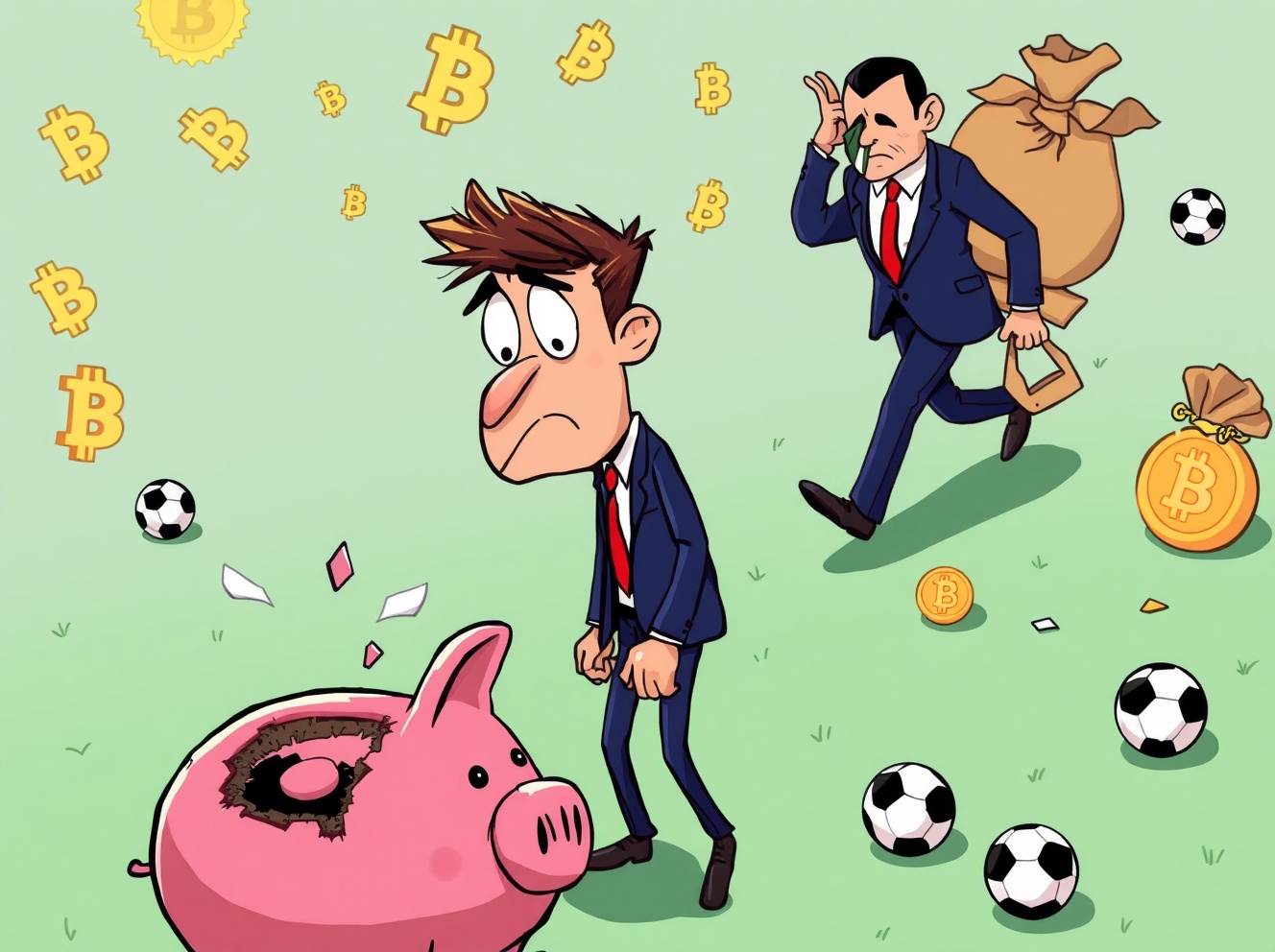
Shocking NFT Fraud: South Korean Crypto CEO Gets 7 Years for $2.2M Scandal
In a landmark case that exposes the dark side of digital asset markets, a South Korean cryptocurrency CEO has received a severe seven-year prison sentence for orchestrating a massive NFT fraud scheme. This shocking development serves as a stark warning to investors and highlights the growing regulatory crackdown on cryptocurrency misconduct worldwide.
What Exactly Was This NFT Fraud Scheme?
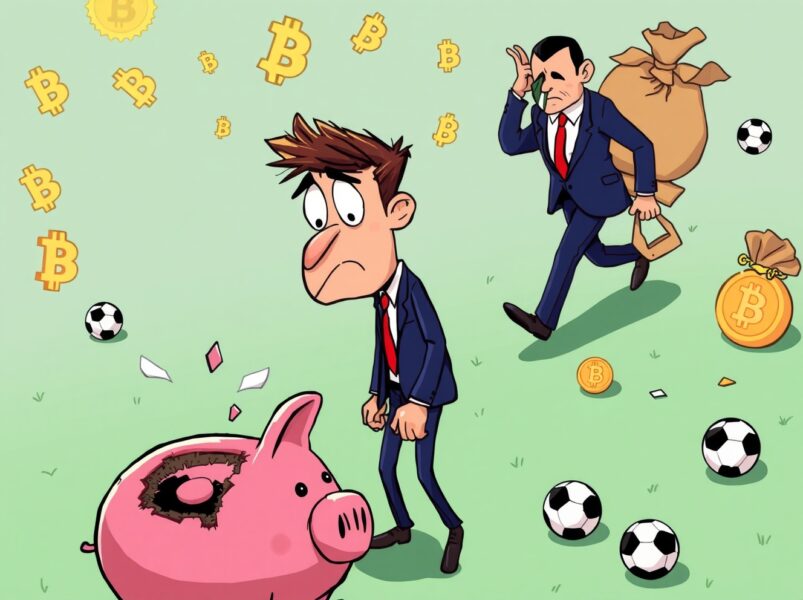
The executive deceived approximately 30 investors out of over 3 billion won (about $2.2 million) through a sophisticated deception strategy. The scheme centered around false promises that the project’s token would be listed on a major South Korean exchange, creating artificial demand and misleading investors about the project’s legitimacy and potential value.
What made this NFT fraud particularly effective was its use of celebrity endorsement. The project leveraged a former national soccer player for promotion, lending credibility to what was essentially a fraudulent operation. This case demonstrates how bad actors can exploit both technological novelty and social influence to perpetrate financial crimes.
How Did Authorities Uncover This Elaborate Scam?
South Korean regulators have been increasingly vigilant about cryptocurrency misconduct, especially following several high-profile cases in recent years. The investigation revealed several red flags that investors should watch for:
- Unverified exchange listing claims that couldn’t be confirmed through official channels
- Celebrity endorsements that seemed disproportionate to the project’s actual development
- Pressure tactics emphasizing limited-time opportunities to invest
- Vague technical documentation and unrealistic return projections
The seven-year sentence reflects South Korea’s serious approach to NFT fraud and financial crimes in the digital asset space. This punishment sends a clear message to other potential offenders about the consequences of exploiting investors in the rapidly evolving cryptocurrency market.
What Does This Mean for NFT Investors Worldwide?
This case provides crucial lessons for anyone considering NFT investments. First, celebrity endorsements should never replace thorough due diligence. Second, exchange listing promises require verification directly from the exchanges themselves. Third, regulatory frameworks are catching up with cryptocurrency innovations, providing better protection for investors.
The NFT fraud case also highlights the importance of understanding jurisdictional differences in cryptocurrency regulation. South Korea has implemented some of the world’s strictest cryptocurrency regulations, including real-name trading systems and comprehensive reporting requirements. However, regulatory approaches vary significantly across countries, creating both challenges and opportunities for global investors.
How Can You Protect Yourself from Similar NFT Scams?
Protecting yourself requires a combination of skepticism, research, and understanding of basic investment principles. Here are actionable steps every investor should take:
- Verify all claims independently rather than relying on promotional materials
- Research the team’s background and previous project history
- Understand the technology behind any NFT project before investing
- Check regulatory compliance in the project’s home jurisdiction
- Diversify investments to mitigate potential losses from any single project
This South Korean NFT fraud case represents a turning point in how authorities worldwide approach cryptocurrency crimes. As digital assets continue to gain mainstream acceptance, regulatory frameworks and enforcement mechanisms are evolving rapidly to protect investors while fostering innovation.
Conclusion: A Watershed Moment for Crypto Accountability
The seven-year sentence for this cryptocurrency CEO marks a significant moment in the maturation of digital asset markets. It demonstrates that authorities worldwide are developing the expertise and legal frameworks necessary to prosecute sophisticated NFT fraud schemes effectively. For legitimate projects and ethical entrepreneurs, this development represents progress toward a more trustworthy ecosystem. For investors, it provides reassurance that regulatory protections are strengthening even as market opportunities expand.
Frequently Asked Questions
What was the main method used in this NFT fraud scheme?
The CEO falsely claimed the project’s token would be listed on a major South Korean exchange and used a former national soccer player for promotion, deceiving investors about the project’s legitimacy and potential value.
How much money was involved in this fraud case?
The scheme defrauded approximately 30 investors out of over 3 billion won, which is equivalent to about $2.2 million USD.
What sentence did the crypto CEO receive?
The executive was sentenced to seven years in prison, reflecting South Korea’s serious approach to cryptocurrency-related financial crimes.
Why is this case significant for the broader cryptocurrency industry?
This case demonstrates that authorities are developing effective methods to prosecute sophisticated digital asset fraud and sends a strong deterrent message to potential offenders worldwide.
What should investors look for to avoid similar NFT scams?
Investors should verify exchange listing claims directly with exchanges, research team backgrounds thoroughly, understand the underlying technology, check regulatory compliance, and maintain healthy skepticism about celebrity endorsements.
How are South Korean regulations different from other countries?
South Korea has implemented strict measures including real-name trading systems, comprehensive reporting requirements, and active enforcement against cryptocurrency misconduct.
Found this analysis helpful? Share this article with fellow investors on social media to help spread awareness about NFT fraud prevention and cryptocurrency safety. Your shares help create a more informed and protected investment community.
To learn more about the latest cryptocurrency regulatory trends, explore our article on key developments shaping global cryptocurrency enforcement and investor protection frameworks.
This post Shocking NFT Fraud: South Korean Crypto CEO Gets 7 Years for $2.2M Scandal first appeared on BitcoinWorld.


You May Also Like
FootballersCV Launches Professional Football CV Platform Connecting Players With Scouts, Agents, and Clubs Worldwide
Tesla Stock stalls near 412 pivot as intraday momentum fades