

Lighter Launches LIT Token With a Clear Bet on Ecosystem Growth
When a decentralized exchange launches a native token, the real story is not the ticker or the opening price. It’s how incentives are structured and who actually benefits over time. With the launch of its Lighter Infrastructure Token, LIT, Lighter is making a deliberate statement about long term alignment, transparency, and control.
What Is the LIT Token Meant to Do?
According to the team, LIT token is designed to align incentives across users, builders, and infrastructure participants. It is not positioned as a speculative add on but as the core economic layer that underpins everything built on Lighter’s infrastructure.
All value generated by Lighter’s current products and any future services is intended to accrue directly to LIT holders. Revenues from the decentralized exchange and upcoming infrastructure offerings will be fully transparent and trackable onchain, with funds directed toward growth initiatives and token buybacks. In short, usage drives value, and value flows back to the token.
Token Allocation Puts the Ecosystem First
Lighter’s tokenomics lean heavily toward community and ecosystem development. Half of the total LIT token supply is allocated to the ecosystem, signaling a long term commitment rather than a short term liquidity play.
Out of this 50 percent allocation, 25 percent of the fully diluted value will be distributed immediately through an airdrop to participants from the first two points seasons of 2025. The remaining ecosystem allocation is reserved for future incentive programs and strategic partnerships, ensuring sustained engagement and expansion over time.
The remaining supply is split between the team and investors. The team will receive 26 percent, while investors are allocated 24 percent. Both allocations are subject to a one year lock followed by a three year linear vesting schedule, a structure that reduces early sell pressure and reinforces long term alignment.
Staking, Infrastructure, and Progressive Decentralization
Beyond simple ownership, LIT plays a functional role in how Lighter’s infrastructure operates. The platform’s systems for financial transactions and fairness verification will be tiered based on LIT token staking. Higher staking levels unlock deeper infrastructure access, while decentralization of these functions will increase progressively over time.
Notably, Lighter emphasized that it is building in the United States and that the token is issued directly from its C Corp entity, which will continue to operate the protocol at cost. This hybrid structure aims to combine regulatory clarity with onchain transparency, a balance many crypto projects still struggle to achieve.
Market Debut and Early Price Action
Lighter launched the LIT USDC trading pair early Tuesday morning. As of writing, LIT token was trading around $2.72 on Lighter, down from a pre market price of roughly $3.25. While the initial pullback reflects typical post launch volatility, liquidity and participation remained strong during the early trading window.
Price aside, the launch marked an important milestone in Lighter’s broader growth trajectory, shifting the platform from pure product expansion to a fully tokenized ecosystem model.
Lighter’s Rapid Rise in the Perps Market
Lighter is not launching LIT token from a position of weakness. Since going live on public mainnet in October, the exchange has emerged as one of the largest players in the decentralized perpetuals space.
In November alone, Lighter recorded $292.5 billion in trading volume, outpacing Aster at $259.2 billion and Hyperliquid at $243.6 million, based on data from The Block. That level of volume places Lighter firmly among the top tier of onchain derivatives venues.
Momentum has carried into funding and product expansion as well. In November, Lighter raised $68 million at a $1.5 billion valuation in a round led by Founders Fund and Ribbit Capital. In early December, the platform expanded beyond perpetuals with the rollout of spot trading, broadening its appeal and revenue base.
What this really means is that LIT is not just a governance token or a reward mechanism. It is the economic backbone of a rapidly scaling exchange and infrastructure stack. With half the supply committed to ecosystem growth, strict vesting for insiders, transparent revenue flows, and a clear staking utility, Lighter is positioning LIT as a long term asset tied directly to platform usage.
As the decentralized derivatives market continues to mature, Lighter’s approach suggests a focus on durability over hype. Whether LIT ultimately succeeds will depend on continued volume growth, effective incentive design, and execution, but structurally, the foundation is now firmly in place.


You May Also Like
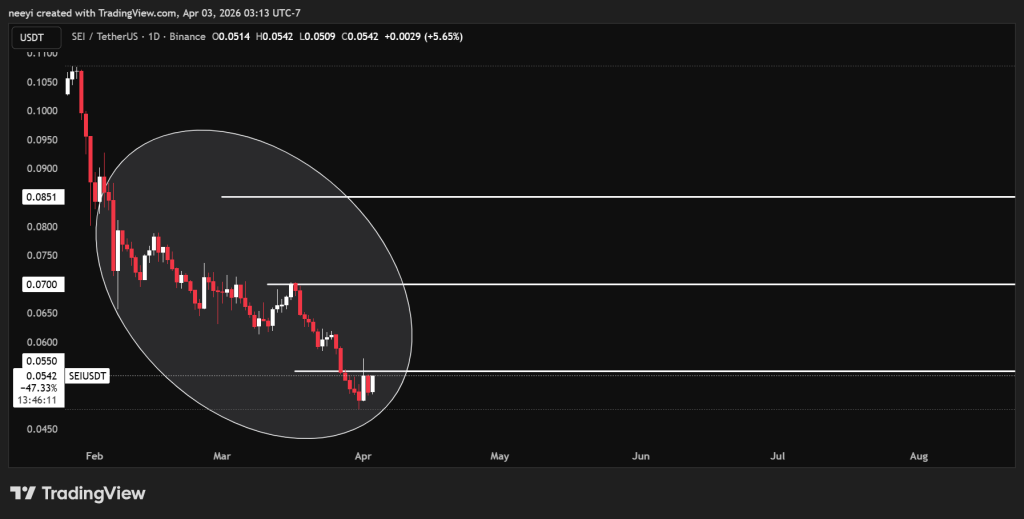
SEI Price Continues Lower: Can the Giga Upgrade Trigger a Full Reversal?

Bitcoin ETFs Surge with 20,685 BTC Inflows, Marking Strongest Week




