Coinbase’s David Duong highlights the shift in regulatory policy as the most significant driver of growth and change in 2025
David Duong, the global head of investment research at Coinbase, has published a copy of Coinbase Institutional’s 2026 Crypto Market Outlook. In it, Duong and his team attributed the shift in policy as the motivation for banks and corporations to finally start building the technical infrastructure that will be required to take things on-chain.
Duong called the year an “extraordinary” period for the crypto ecosystem, despite some of the “lackluster price action.”
He went on to admit that the asset class is still defined by accelerating institutional adoption with a more diverse investor base reshaping overall demand, but that this only means the industry’s full potential is still far from realized.
Meanwhile, tokenization and stablecoins moved deeper into core financial workflows.
He claims they at Coinbase expect the positive forces to compound next year as stablecoins take a larger role in delivery-vs-payment structures, and tokenized collateral gets more recognition across traditional transactions.
Coinbase sees crypto maturing in 2026
The report also claims that the investor base itself is no longer what it used to be and is now more diversified. In the past, crypto was used by early adopters who couldn’t be sure mass adoption would ever happen.
But that has changed, and it is now dominated by institutions and a far wider cross‑section of allocators and end‑users.
Demand has also gone from a monolith to become a mosaic of macroeconomics, technology, and geopolitics.
According to him, if the industry executes on product quality, regulatory stewardship, and user‑centric design, it will be easier to help ensure that the next wave of innovation reaches everyone, everywhere, all the time.
Coinbase’s CPO thinks America may fall behind China next year
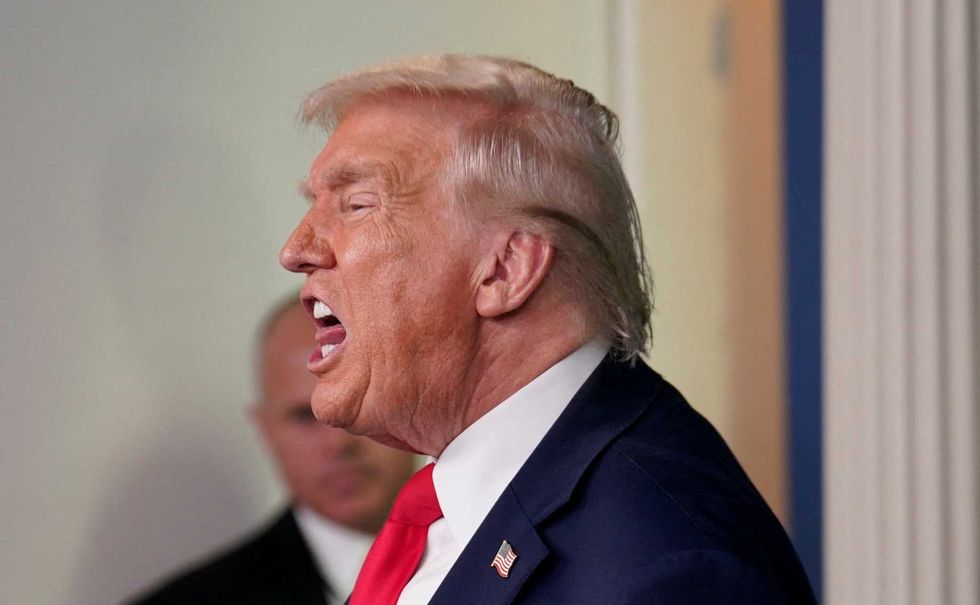
The competition for dominance in the new frontier that is crypto is bound to intensify next year, and President Trump has declared several times that he wants America to become the crypto capital of the world.
Coinbase’s chief policy officer, Faryar Shirzad, has expressed concern, warning that the United States could potentially lose ground in the global crypto if it proceeds with a ban on interest or rewards on U.S. stablecoins. The warning comes as countries are now competing more aggressively over digital money, and rewards or incentives could strongly influence which currencies come out on top.
In an X post, Shirzad claimed the issue has become more serious since China’s central bank has announced that starting January 1, 2026, banks will be allowed to pay interest on digital yuan balances.
This means the digital yuan will no longer be used just as digital cash; it will work more like a bank deposit that can earn interest. Chinese officials reportedly hope this will encourage more people to use it, since adoption has been slower than expected despite years of testing.
Coinbase sees the GENIUS Act as a way to help U.S.-regulated, dollar-backed stablecoins become the main tools for digital payments worldwide. However, Shirzad has warned that banning rewards could hurt that goal and weaken the U.S. dollar’s role globally.
To compete with China now, those rewards are non-negotiable. However, banking groups have been clear from the onset that they don’t want them, arguing that allowing rewards would make stablecoins too similar to bank deposits and could threaten financial stability.
2026 is bound to be tumultuous for all involved as the U.S. struggles to figure out how to proceed without crossing the very powerful parties involved. However, after the dust settles, the crypto sector is likely to be better off.
Sharpen your strategy with mentorship + daily ideas - 30 days free access to our trading program


You May Also Like

Nakamoto Announces Actively Managed Bitcoin Derivatives Program Designed to Generate Volatility Income and Hedge Downside Exposure

Canadian Dollar Soars As Trump’s Explosive Energy Address Roils Global Oil Markets