BoJ May Hike Rates Again as Kazuo Ueda Signals Shift from Ultra Loose Policy
TLDR
- BoJ raised its rate to 0.75% in December, the highest level since 1995.
- Inflation in Japan has stayed above 2% for nearly four years.
- The yen traded near 157.15 per US dollar, remaining weak.
- Japan’s 10-year bond yield climbed to 2.125%, the highest since 1999.
Japan’s central bank may raise interest rates again as Governor Kazuo Ueda signals more hikes are possible if economic growth and inflation stay on track. His remarks mark a shift away from the Bank of Japan’s long-standing ultra-loose policy, with markets now focused on the next policy meeting set for January 22–23.
BoJ Governor Signals Further Tightening
Bank of Japan Governor Kazuo Ueda has indicated that more rate hikes are possible. He said that if economic growth and inflation continue as forecast, the central bank will raise interest rates accordingly.
“We will keep raising rates in line with improvement in the economy and inflation,” Ueda said at the Japanese Bankers Association’s New Year conference. He stressed that any policy change would follow actual data and not a fixed schedule.
The BoJ raised its policy rate to 0.75% in December 2025, the highest level since 1995. Despite the hike, real borrowing costs remain negative due to inflation holding above the bank’s 2% target for nearly four years.
Markets Watch Yen and Inflation Trends
The Japanese yen remains weak against the US dollar, trading around 157.15. A weaker yen has pushed import prices higher, adding to inflation pressures. Markets see 160 yen per dollar as a critical level that could influence BoJ decisions. Japan’s benchmark 10-year government bond yield reached 2.125% on Monday, its highest point since 1999.
This reflects market expectations of further tightening from the BoJ. Ueda said that moderate wage growth is likely to continue supporting inflation. “The mechanism between moderate wage growth and inflation is likely to be maintained,” he noted.
Focus Shifts to January Policy Meeting
Investors are now looking toward the BoJ’s next policy meeting on January 22–23. The meeting will include a quarterly outlook report, which could provide updated forecasts on inflation and economic growth.
Most analysts expect the next rate move around mid-2026. However, the weak yen and consistent inflation figures could prompt an earlier decision. Some BoJ board members have already expressed support for steady and cautious hikes.
Ueda stated that adjustments in monetary support will help Japan reach stable inflation and longer-term growth. His comments come as Japan exits decades of near-zero rates and monetary easing.
Japan Moves Away from Deflation Strategy
Finance Minister Satsuki Katayama echoed Ueda’s stance at the same conference. He said Japan is moving away from years of deflation and dependence on easy money. Katayama described this transition as a shift to a growth-driven economy.
Japan’s economy showed moderate recovery in 2025, despite external challenges. Ueda said wages and prices are likely to rise together, helping the country achieve stable growth without overheating the economy.
Both the government and the BoJ are focusing on wage growth as a key factor. Sustainable wage increases are seen as necessary to maintain inflation and avoid relying solely on import-driven price rises.
As the BoJ carefully adjusts policy, markets remain alert to wage trends, consumer prices, and the yen’s movement. Any signs of stronger inflation or further yen weakness may lead to another rate hike sooner than expected.
The post BoJ May Hike Rates Again as Kazuo Ueda Signals Shift from Ultra Loose Policy appeared first on CoinCentral.


You May Also Like
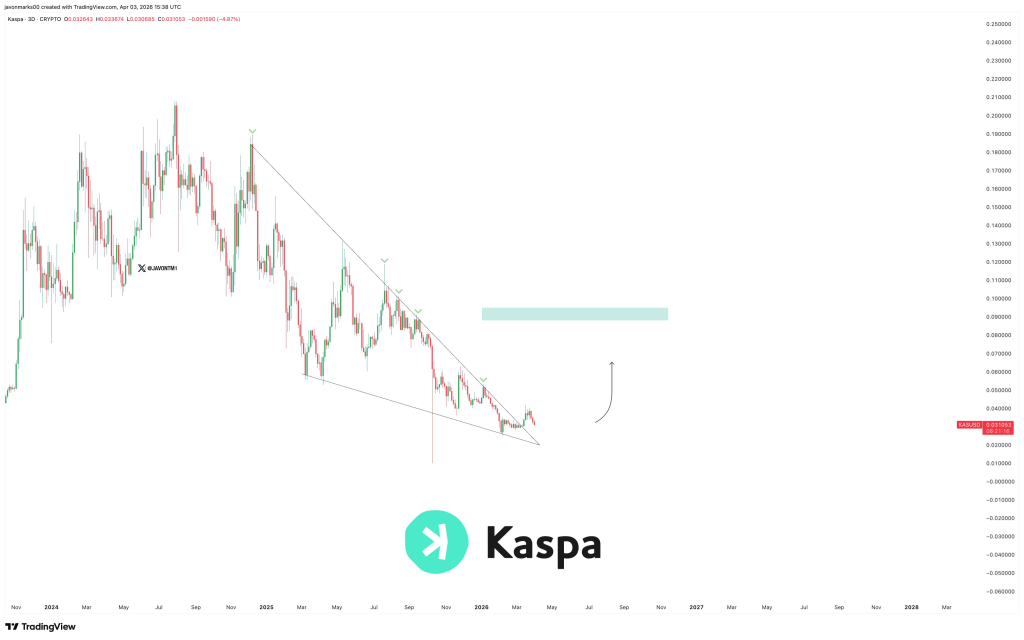
Elite Crypto Trades Updates His Kaspa (KAS) Price Prediction

Leap Wallet to Shut Down by May 28 as Team Winds Down Apps and Validator