

Ethereum Processes $18.8 Trillion in 2025 as DeFi TVL Reaches $99 Billion
TLDR:
- Ethereum’s DeFi ecosystem maintained $99 billion TVL, surpassing the next-largest Layer 1 by nine times
- Layer 2 networks achieved combined throughput of 5,600 TPS while fees dropped below $0.01 per transaction
- The platform processed over $18.8 trillion in stablecoin settlement volume throughout 2025 per RWA.xyz
- Institutional holdings reached $35 billion through ETFs and strategic reserves as adoption accelerated
Ethereum established itself as the foundational layer for digital infrastructure in 2025, according to a comprehensive year-end summary shared by the Ethereum Foundation.
The network achieved multiple milestones across decentralized finance, institutional adoption, and technical development. Transaction costs dropped to five-year lows on Layer 1 while Layer 2 networks saw fees fall below $0.01.
Meanwhile, the platform processed over $18.8 trillion in stablecoin volume throughout the year. These developments positioned Ethereum as the primary settlement layer for both retail and institutional users.
DeFi Growth Drives Financial Infrastructure Expansion
Ethereum’s decentralized finance ecosystem maintained its dominant position with over $99 billion in total value locked, surpassing the next-largest Layer 1 by a factor of nine.
The Ethereum account stated that “DeFi reinforced Ethereum’s role as the financial base layer of the internet,” emphasizing how transaction cost reductions enabled everyday financial activities.
Several major exchanges launched stock tokens on Ethereum rails this year, with Robinhood, Gemini, and Kraken all introducing U.S. equity access through blockchain-based infrastructure.
The Pectra upgrade in May introduced smart wallet functionality to production environments, enhancing security while making accounts programmable at the base level.
This technical advancement allowed developers to build more sophisticated financial applications. Prediction markets also gained traction, processing $20 billion in volume across Layer 1 and Layer 2 networks during 2025, according to data from Token Terminal.
Neobank adoption accelerated due to improved regulatory clarity, with new platforms launching card programs and reward systems.
These services reached millions in daily spending volume. Payment infrastructure matured through paymaster systems that allowed major applications to eliminate transaction fees entirely for end users.
Stablecoin settlement data from RWA.xyz confirmed the $18.8 trillion processed throughout the year.
Technical Upgrades Boost Network Capacity and Performance
The network shipped two major upgrades within seven months, demonstrating rapid development while maintaining decentralization.
The Fusaka upgrade in December introduced PeerDAS technology, increasing blob capacity by up to eight times. This expansion drove down Layer 2 costs substantially. Additionally, the Layer 1 gas limit increased to 60 million, expanding settlement capacity by approximately 33 percent.
Layer 2 networks achieved combined transaction throughput of 5,600 transactions per second for the first time.
Several blockchain projects migrated to become Ethereum Layer 2 solutions, including Celo’s completed transition. Ronin Network and Nillion also announced plans to begin similar transitions.
Interoperability improvements advanced through new standards like ERC-7683, which standardized order and settlement interfaces for cross-chain execution.
The Open Intents Framework launched with support from over 30 teams in February. The Ethereum Interop Layer entered testnet phase in November, enabling trustless single-signature transactions across chains.
Institutional Integration and Real-World Applications Expand
Public companies adopted Ethereum for treasury management, with exchange-traded funds and strategic reserves holding over $35 billion in ETH, according to SER.xyz data.
Major financial institutions deployed smart contracts for capital programming and yield strategies.
Real-world asset distribution on Ethereum reached $12 billion, with banks and payment processors utilizing Layer 2 networks for verifiable settlement.
The platform supported economic activity for artificial intelligence agents through the x402 payment standard and ERC-8004 for agent discovery.
Over 7,500 agents registered on testnets at 8004scan.io, establishing Ethereum as settlement infrastructure for machine-to-machine commerce.
The Ethereum account noted that “agents don’t have bank accounts or passports: they have Ethereum wallets and cryptographic proofs.”
Consumer applications attracted over 244 million unique active wallets on Layer 1 during 2025, per DappRadar statistics.
The Kingdom of Bhutan migrated its National Digital Identity system to Ethereum, anchoring over 200,000 citizen identities on the public blockchain.
The network’s year-end message declared that “Ethereum is no longer just emerging technology. It is becoming the scaffolding of our digital civilization.”
The post Ethereum Processes $18.8 Trillion in 2025 as DeFi TVL Reaches $99 Billion appeared first on Blockonomi.


You May Also Like
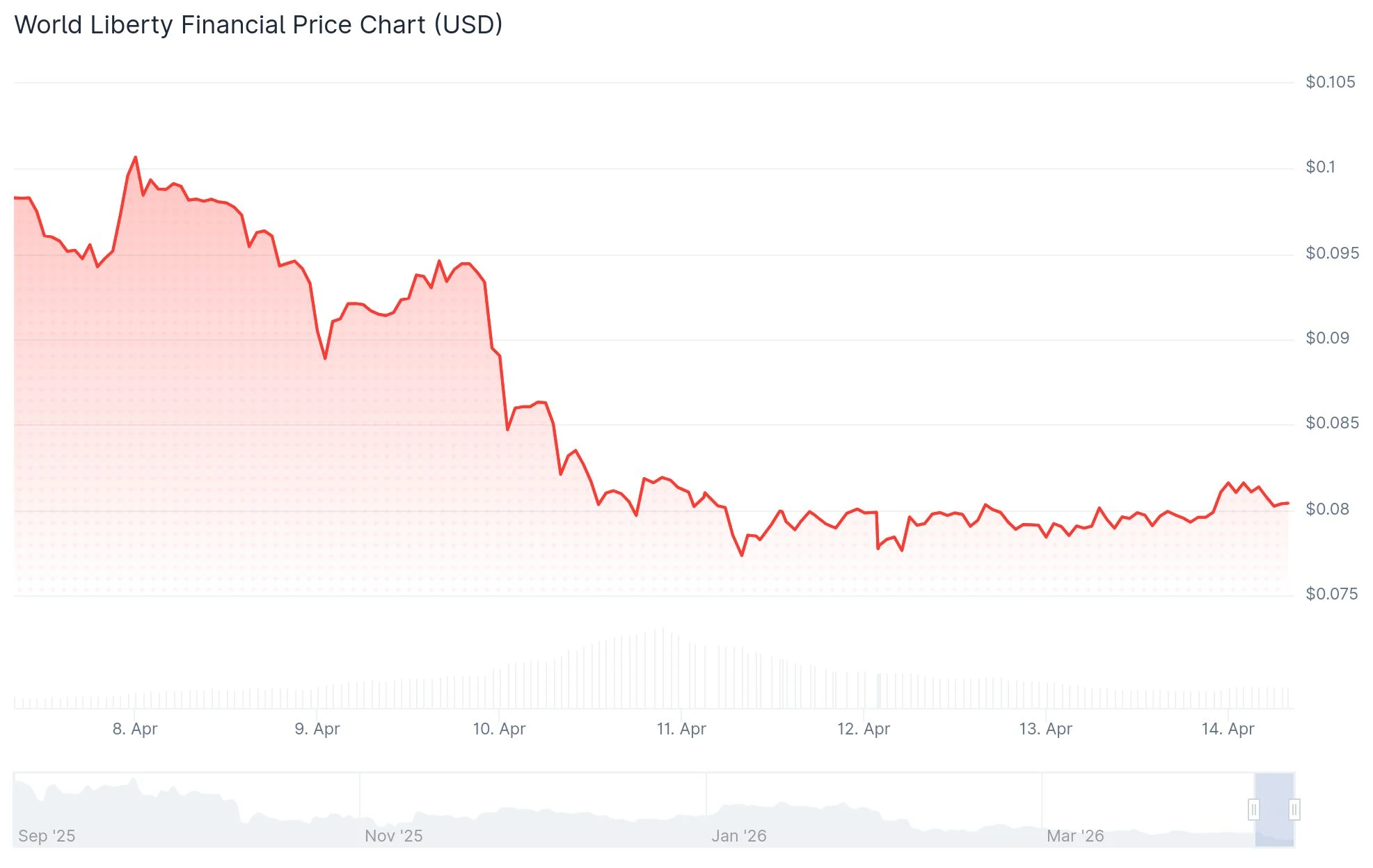
Trump’s World Liberty Financial (WLFI) Token Plummets 76% Amid Justin Sun Fraud Allegations

Kraken Stands Firm Against Extortion After Criminals Film Internal Systems




