The $26B remittance boom: How CBN reforms created fintech’s biggest opportunity, and biggest threat
Nigeria’s diaspora remittances, with fintech substantially in the mix, are set to reach $26.13 billion in 2026, marking a significant jump from $23.82 billion in 2025, according to the Central Bank of Nigeria’s latest macroeconomic outlook.
The surge represents the payoff from controversial foreign exchange reforms that began in 2023. The premium between official and parallel market exchange rates has collapsed from 62.23 per cent in May 2023 to just 2.11 per cent as of December 9, 2025.
This dramatic narrowing has made formal remittance channels far more attractive than black market alternatives.
The CBN attributes this success to its revised guidelines for International Money Transfer Operators (IMTO), which brought previously unregulated players into the formal system. The strategy worked. Foreign capital inflows jumped from $3.90 billion in 2023 to $20.57 billion between January and October 2025 alone. That is a 427 per cent increase in less than two years.
The finance and insurance sector grew by 17.16 per cent in 2025, up sharply from just 2.95 per cent in 2024. The CBN says this growth was driven partly by “increased use of digital financial services,” alongside bank recapitalisation and insurance reforms.
But the same document celebrating these wins also signals a major shift in how the CBN views fintech companies. They are no longer operating in a regulatory grey zone.
Read also: Nigerian fintechs’ $230 million funding in 2025 raises crucial questions
The fintech regulatory squeeze continues
The CBN’s policy priorities for 2026 explicitly include plans to “strengthen adherence to data privacy laws across banks and fintech operators.” This is the first time the central bank has grouped fintech entities directly alongside banks in its supervisory framework at this level of detail.
The outlook warns that “the high degree of interconnectedness among financial institutions creates a systemic susceptibility, where cyberattacks on systems propagate data breaches that compromise confidential information and erode public confidence in the financial system.”
To address this, the CBN will introduce real-time monitoring of financial soundness indicators “by sector, geography, and institution.” It will also automate “comprehensive stress testing and asset quality reviews” to identify hidden problems across the financial system.
The message is that Fintech operators will face the same level of scrutiny as traditional banks. Data privacy enforcement, cybersecurity requirements, anti-money laundering checks, and regular stress tests are coming.
For fintech companies that thrived during the chaos of 2023 and 2024, when foreign exchange volatility created arbitrage opportunities and regulatory oversight was lighter, this represents a fundamental change.
The formalisation of remittances and the stabilisation of exchange rates have created a larger, more predictable market. But accessing that market now requires operating within a much stricter regulatory framework.
External reserves are projected to reach $51.04 billion in 2026, up from $45.01 billion in 2025, giving the CBN more ammunition to maintain exchange rate stability. The official rate is expected to hold around 1,400 naira to the dollar throughout 2026.
This stability is good for business planning. Fintech companies can now price services without worrying about overnight exchange rate shocks. But it also means the lucrative spreads that existed when the parallel market traded at 60 per cent premiums are gone forever.
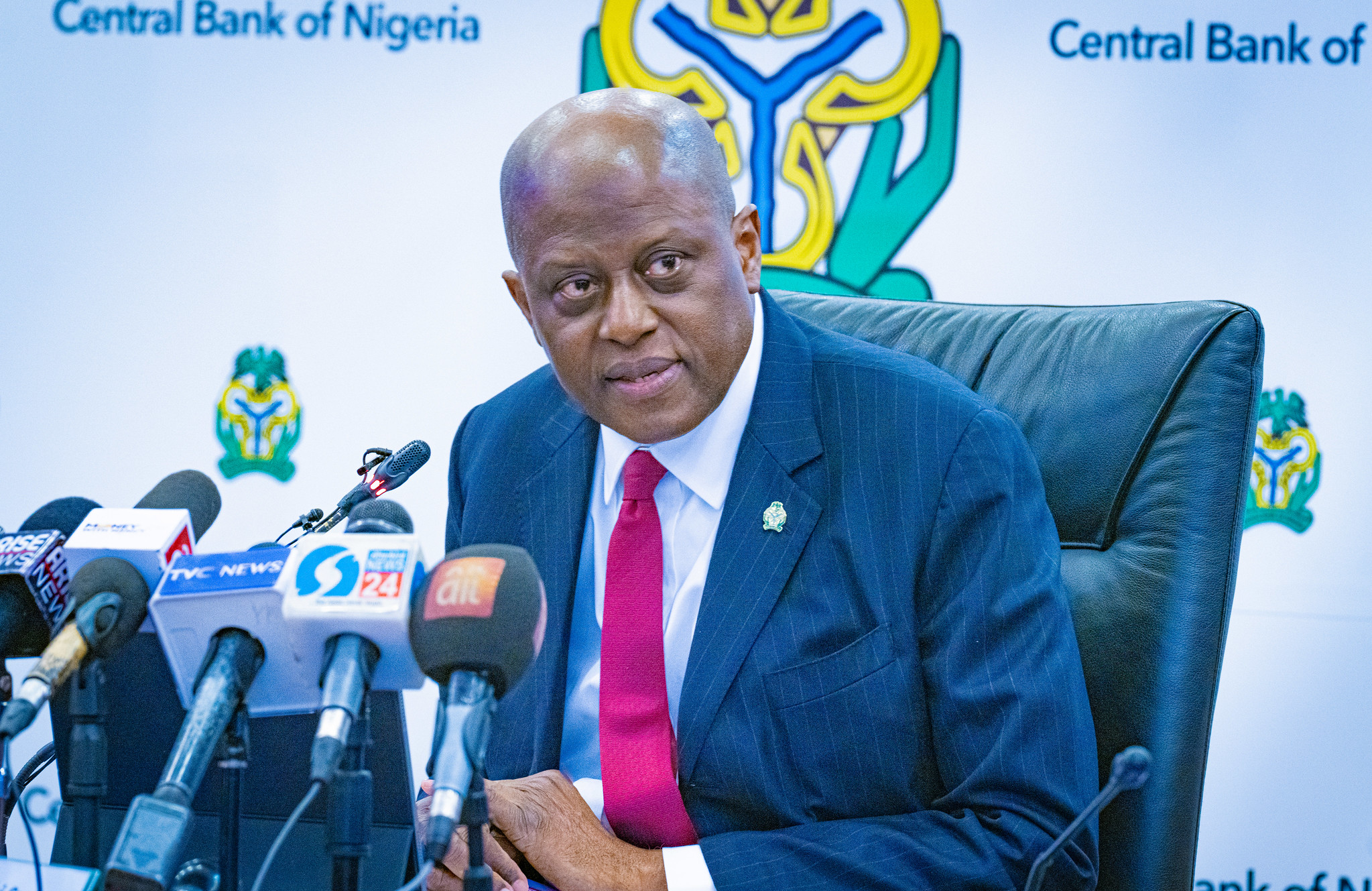 CBN governor, Olayemi Cardoso
The CBN’s outlook presents a paradox. Remittance volumes are at record highs, digital financial services are booming, and foreign exchange stability has returned. But the price of this success is integration into the formal regulatory system, with all the compliance costs that entail.
For fintech operators, the question is no longer whether they can scale quickly in a chaotic market. The question is whether they can build sustainable businesses while meeting the same regulatory standards as banks.
The CBN has made it clear that moving forward, there will be no distinction.
Read also: Examining CBN’s capital market clean-up and the fintech ripple effect
The post The $26B remittance boom: How CBN reforms created fintech’s biggest opportunity, and biggest threat first appeared on Technext.


You May Also Like

What To Look For When Evaluating Nonprofit Budgeting Software for Finance Teams: A Platform Comparison

The PewBeam effect: like Nigeria’s fintech gold rush, a worship AI boom is coming