

Wall Street Embraces Digital Assets as Banks Go Onchain
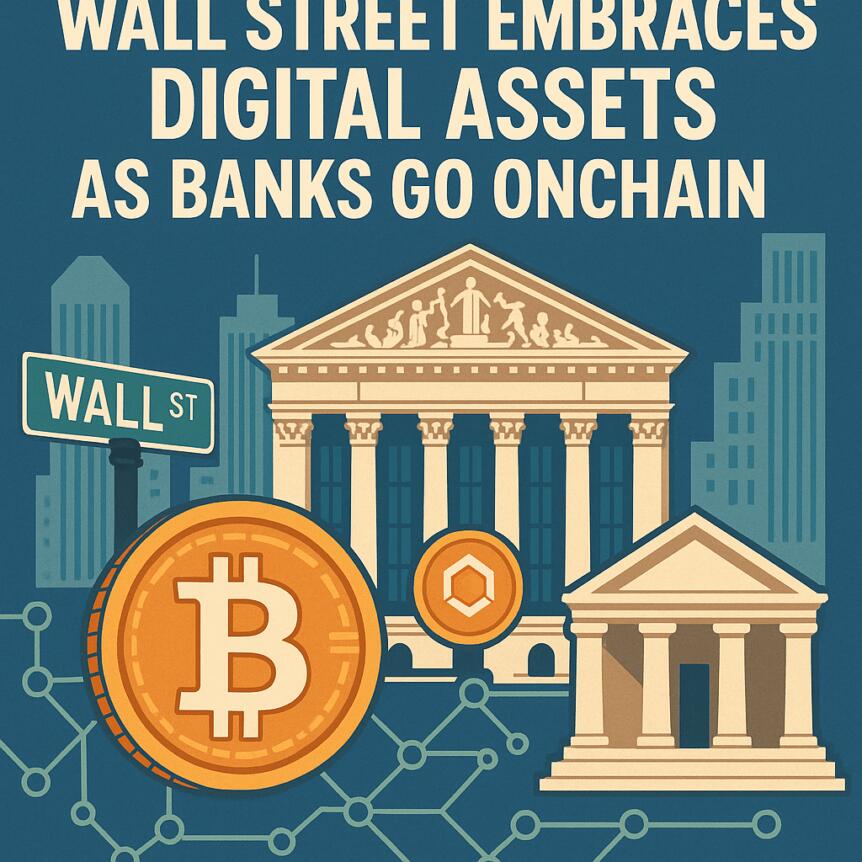
Major Banks Shift from Risk Containment to Active Engagement in Cryptocurrency
Historically, leading banks regarded cryptocurrencies as high-risk assets, often seeking to limit their exposure. However, recent developments reveal a decisive move toward integrating digital assets into mainstream financial services. This transition encompasses a broad range of initiatives, from blockchain-based payment channels to tokenized digital cash, indicating a more sophisticated approach to digital currency adoption by traditional banking institutions.
This evolving stance is exemplified by several key moves in the industry. JPMorgan is expanding its US dollar deposit token, JPM Coin, onto the Canton Network, signaling a significant step toward infrastructure that supports real-world application of tokenized fiat currency. Morgan Stanley is preparing to introduce ETFs that provide exposure to Bitcoin and Solana, making these assets accessible to a broader client base. Meanwhile, Barclays has invested in Ubyx, a stablecoin settlement infrastructure company, marking its foray into digital dollar settlement solutions. Additionally, Bank of America has authorized its advisers to recommend spot Bitcoin ETFs to clients, further blurring the line between traditional finance and the crypto ecosystem.
JPMorgan Advances Digital Cash Infrastructure
JPMorgan announced plans to deploy JPM Coin, its US dollar-denominated deposit token, onto the Canton Network—a highly secure, privacy-focused layer-1 blockchain developed by Digital Asset and Kinexys. This move reflects a strategic push to facilitate cross-border and inter-institutional settlement through regulated digital cash, reducing settlement times and enhancing security for institutional clients.
JPM Coin is designed as a digital claim on JPMorgan’s dollar deposits, providing a faster, secure means of transferring funds across interoperable blockchain networks. According to Yuval Rooz, CEO of Digital Asset, this collaboration operationalizes the long-held industry vision of regulated digital cash capable of operating seamlessly at market speed.
Morgan Stanley Ventures into Crypto ETFs
Following the success of spot Bitcoin ETFs in the United States, Morgan Stanley has filed with the SEC to launch the Morgan Stanley Bitcoin Trust and the Morgan Stanley Solana Trust. These funds aim to offer passive exposure to Bitcoin and Solana, respectively, potentially broadening investment access to millions of wealth management clients.
If approved, these ETFs could stand among the most successful in the industry, attracting significant inflows given the strong investor appetite for crypto-related investment vehicles. The ongoing momentum in Bitcoin ETF launches continues to underscore institutional recognition of cryptocurrencies as core assets.
Barclays Invests in Stablecoin Infrastructure
London-based Barclays has made its first strategic investment in Ubyx, a platform facilitating stablecoin settlement within regulated environments. This aligns with Barclays’ interest in exploring digital money infrastructure, despite previous cautionary stances on digital assets. Ubyx, supported by notable investors like Coinbase and Galaxy, aims to enable interoperability between stablecoin issuers and financial institutions, underscoring the sector’s push toward foundational digital dollar work.
Bank of America Endorses Bitcoin ETF Recommendations
Bank of America has begun permitting its wealth advisers to recommend Bitcoin ETFs from providers like BlackRock, Fidelity, and Grayscale. This development indicates a growing institutional acceptance of digital assets and signals that traditional investors could soon receive targeted investment advice in the crypto space. The move follows reports that the bank’s private wealth division has suggested a modest 1-4% allocation of digital assets, reflecting increasing confidence in cryptocurrencies’ role within diversified portfolios.
This article was originally published as Wall Street Embraces Digital Assets as Banks Go Onchain on Crypto Breaking News – your trusted source for crypto news, Bitcoin news, and blockchain updates.


You May Also Like
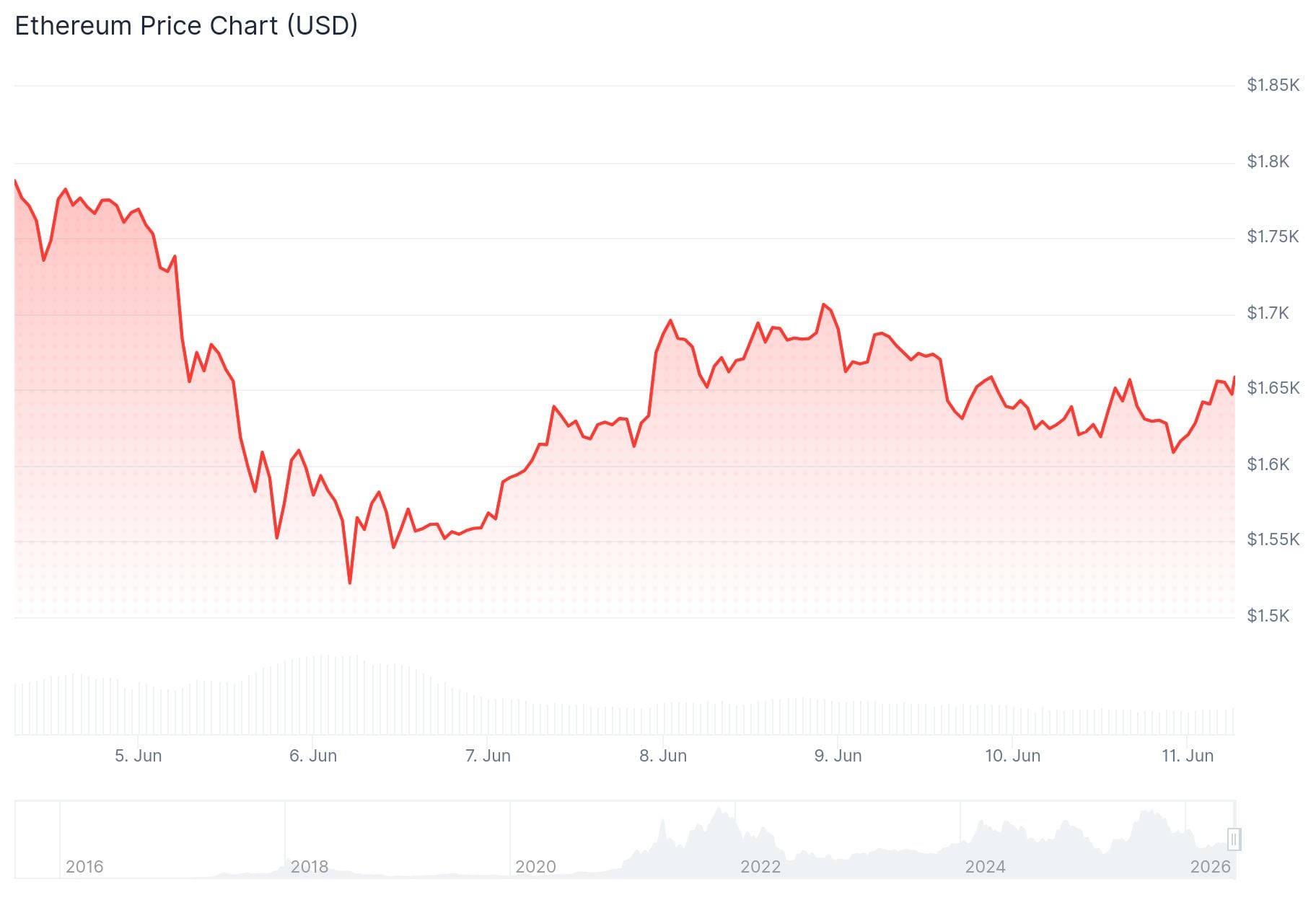
Ethereum (ETH) Price: Exchange Supply Hits All-Time Low as $1,600 Support Holds

SpaceX IPO Could Pull Billions Away from Bitcoin and Crypto Markets

Iran’s army chief warns of ‘total destruction’ for ground invasion



