Motional Robotaxi Reboot: How an AI-First Strategy Aims for a 2026 Driverless Revolution
BitcoinWorld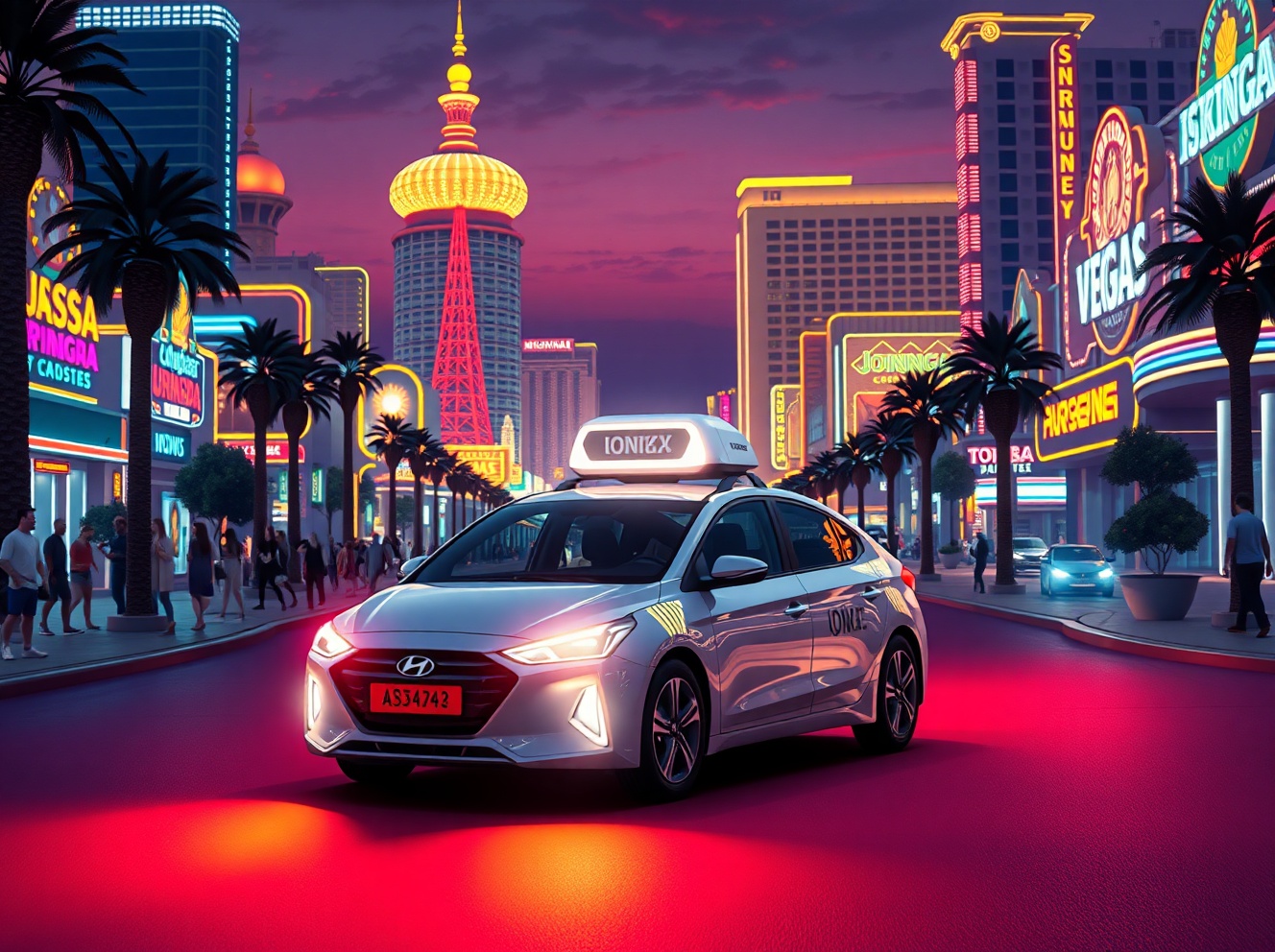
Motional Robotaxi Reboot: How an AI-First Strategy Aims for a 2026 Driverless Revolution
LAS VEGAS, January 2025 – In a bold strategic pivot, autonomous vehicle company Motional is placing artificial intelligence at the absolute core of its rebooted robotaxi plans. The company, emerging from a period of significant restructuring, now targets the end of 2026 to launch a true commercial driverless service on the complex streets of Las Vegas. This ambitious timeline follows a complete technological overhaul, shifting from a traditional robotics framework to an AI foundation model-based architecture designed for safety, scalability, and affordability.
Motional’s Strategic Pivot to an AI-First Robotaxi Future
The journey to this point involved navigating considerable challenges. Nearly two years ago, Motional faced a critical inflection point. The joint venture between Hyundai Motor Group and Aptiv had missed its initial deadline for a driverless launch with Lyft. Subsequently, Aptiv withdrew financial backing, prompting Hyundai to inject an additional $1 billion. A series of layoffs, including a major 40% workforce reduction in May 2024, reduced employee numbers from a peak of 1,400 to under 600. Concurrently, rapid advancements in generative AI and foundation models presented a new technological paradigm. Confronted with this reality, Motional leadership made a decisive choice: pause all commercial activities and fundamentally re-architect their approach.
“We recognized the tremendous potential with all the AI advancements,” explained Motional President and CEO Laura Major in an exclusive briefing. “While we had a safe, driverless system, a gap existed to achieving an affordable solution that could generalize and scale globally. We made the very hard decision to slow down in the near term so that we could speed up.” This strategic slowdown enabled a complete shift from a system reliant on numerous individual machine learning models and rules-based programming to a unified, end-to-end AI foundation model.
The Technical Architecture: From Fragmented Models to a Unified AI Brain
Previously, Motional’s autonomous stack used separate ML models for discrete tasks like perception, tracking, and semantic reasoning. This created a complex, sometimes brittle, software web. The new approach leverages a transformer-based architecture—similar to those powering large language models—applied to physical AI systems. This single backbone model processes sensor data and makes driving decisions in a more integrated, efficient manner.
The key technical advantages of this AI-first shift include:
- Generalization: The system can adapt to new cities, traffic light designs, and driving scenarios more easily by training on new data rather than requiring extensive re-engineering.
- Cost Optimization: A streamlined architecture reduces computational overhead, a critical factor for building a commercially viable service.
- Scalability: The unified model simplifies the process of expanding operations beyond initial deployment zones.
Motional maintains that this architecture provides “the best of both worlds,” retaining the ability for developers to work with specific components while benefiting from the power of a foundational AI system.
The Roadmap to Driverless: A Phased Launch in Las Vegas
Motional’s path to a driverless 2026 launch is deliberate and phased. The company has already initiated an internal robotaxi service for employees in Las Vegas, operating Hyundai Ioniq 5 vehicles with a human safety operator behind the wheel. This service is planned to expand to the public via an unnamed ride-hailing partner later in 2025. The final, crucial step will occur by the end of 2026, when the safety operator is removed from the vehicle, marking the start of a genuine commercial driverless operation.
This phased approach allows for extensive real-world data collection and system refinement in a controlled yet challenging environment. Las Vegas presents a unique proving ground with its dense pedestrian traffic, complex hotel valet zones, bustling event traffic, and around-the-clock activity.
First-Hand Experience: Navigating the Vegas Strip Autonomously
During a recent demonstration, a Motional Ioniq 5 navigated a 30-minute route off the Las Vegas Strip and into the congested pickup and drop-off area of the Aria Resort & Casino. This environment, notorious for stopped taxis, unloading passengers, and constant pedestrian flow, was previously handled by the human safety driver. In the demo, the vehicle autonomously nudged around obstacles, executed lane changes, and proceeded cautiously, showing progress in handling these edge cases. While the vehicle exhibited cautious behavior, such as taking extra time to maneuver around a double-parked delivery van, no disengagement—where the safety driver must take control—occurred during the ride.
This represents a tangible step beyond Motional’s previous operations with Lyft, where vehicles only handled portions of a route, with human drivers always responsible for complex zones like parking lots and hotel lobbies.
The Competitive and Industrial Context of the 2026 Target
Motional’s reboot occurs within a highly dynamic and competitive autonomous vehicle sector. Companies like Waymo and Cruise have deployed commercial services, albeit facing regulatory and operational hurdles. Meanwhile, Tesla continues to develop its “Full Self-Driving” system, and numerous startups are advancing different technological approaches. Motional’s differentiator lies in its deep integration with a major automotive OEM, Hyundai, which provides manufacturing scale, vehicle integration expertise, and long-term financial commitment.
The shift to an AI-first approach also reflects a broader industry trend. The success of foundation models in language and vision has spurred their application in robotics, promising systems that learn more efficiently from data and adapt to new environments with less manual programming. Motional’s bet is that this architectural shift is the key to bridging the gap from demonstration projects to profitable, large-scale deployment.
| Timeline | Event | Strategic Impact |
|---|---|---|
| 2023-2024 | Missed initial launch deadline; Aptiv exits; Hyundai invests $1B; Major layoffs (40% cut). | Forced strategic reassessment and financial restructuring. |
| 2024 | Decision to pause commercial ops and pivot to AI-first foundation model architecture. | Fundamental technological reboot for long-term scalability. |
| 2025 | Internal employee robotaxi service launches; Public service with safety driver planned. | Real-world data gathering and system validation phase. |
| End of 2026 | Target for commercial driverless service launch in Las Vegas. | Ultimate goal of removing the human safety operator for commercial rides. |
Conclusion: A Calculated Bet on AI for Scalable Autonomy
Motional’s journey from a crossroads to a clear, AI-driven roadmap underscores the volatile yet transformative nature of the autonomous vehicle industry. The company’s 2026 target for a driverless Motional robotaxi service in Las Vegas is not merely a new deadline but the outcome of a painful yet necessary strategic and technological transformation. By embracing an AI-first foundation model approach, Motional aims to solve the critical challenges of generalization and cost that have hindered widespread autonomous deployment. With Hyundai’s sustained backing and a focused phased rollout, the company is betting that its period of slowing down has positioned it to ultimately speed ahead in the race to bring scalable, driverless transportation to city streets.
FAQs
Q1: What is Motional’s new target date for launching a driverless robotaxi service?
Motional is now targeting the end of 2026 to launch a commercial, truly driverless (no human safety operator) robotaxi service in Las Vegas.
Q2: How has Motional’s technology changed in its reboot?
The company has pivoted from using many separate machine learning models and rules-based code to an “AI-first” approach centered on a single, large foundation model. This architecture, inspired by models like GPT, is designed to be more efficient, easier to scale to new cities, and more cost-effective.
Q3: Who owns and backs Motional financially?
Motional is a joint venture originally formed by Hyundai Motor Group and Aptiv. After Aptiv stepped back as a financial backer, Hyundai became the majority owner, providing an additional $1 billion investment to fund the company’s reboot and continued development.
Q4: What is the significance of choosing Las Vegas for the initial driverless service?
Las Vegas provides an exceptionally challenging real-world environment with dense traffic, complex hotel pickup zones, and heavy pedestrian activity. Successfully operating there would demonstrate the system’s robustness and ability to handle difficult “edge cases.”
Q5: What is the long-term vision beyond robotaxis for Motional’s technology?
According to CEO Laura Major, the ultimate goal is to deploy Level 4 autonomous technology—the same system used for robotaxis—into personal consumer vehicles. Robotaxis are viewed as the first crucial step to prove and refine the technology for broader automotive integration.
This post Motional Robotaxi Reboot: How an AI-First Strategy Aims for a 2026 Driverless Revolution first appeared on BitcoinWorld.


You May Also Like

XRP Price Completes Q1 In The Red Again, But Prior Performance Says A Surge Is Coming

Why Banks Restrict Accounts (And What Happens Next)