The Intersection of Performance and Portability: A New Era for Remote Access
The digital landscape has shifted. We are no longer tied to a single physical location to perform our most demanding tasks. Whether it is a software engineer compiling complex code, a video editor rendering 8K footage, or a gamer seeking a high-refresh-rate experience on the go, the hardware we carry in our bags is often less important than the machine we can access remotely. This transition has been fueled by the rapid advancement of game streaming technologies, which have set a new gold standard for what remote connectivity can achieve.
For years, “remote desktop” was a term associated with laggy interfaces and pixelated screens. However, the demand for low-latency, high-quality interaction has pushed developers to innovate. Today, professional solutions are capable of delivering a “near-local” experience that handles high-frame-rate visuals and instantaneous input response.
Why High-Performance Remote Access Matters
In the current market, versatility is king. Businesses and individuals alike are looking for ways to maximize their hardware investments. Instead of purchasing multiple high-end workstations, users are centralizing their computing power and using StarDesk remote desktop to beam that power to any screen they own.
This shift is driven by three core pillars: Latency, Fidelity, and Security.
1. The Battle Against Latency
In any remote interaction, latency is the ultimate enemy. A delay of even a few milliseconds can be the difference between a productive session and a frustrating one. In the context of gaming, latency determines whether a player’s inputs are registered in time to react to an opponent. In a professional setting, it determines how “snappy” a creative application feels. Modern protocols have moved beyond traditional RDP (Remote Desktop Protocol) to specialized streaming engines that prioritize “human-interface” data, ensuring that the cursor moves exactly when you move your hand.
2. High-Fidelity Visuals and Audio
A remote connection is only as good as the image it produces. For designers and gamers, color accuracy and motion clarity are non-negotiable. Traditional remote tools often compress images to the point of losing detail. However, the latest generation of streaming technology utilizes advanced H.265 and AV1 encoding to deliver 4K resolution at 60 (or even 120) frames per second. This level of fidelity ensures that users can perform color grading or enjoy cinematic gaming experiences without visual artifacts.
3. Centralized Security
As work becomes more mobile, the risk of data loss increases. Carrying a laptop with sensitive proprietary data or expensive software licenses is a liability. By utilizing a remote desktop infrastructure, the data never actually leaves the host machine. The remote device acts as a secure terminal, receiving a video stream while the actual files remain safely behind a firewall or in a secure data center.
The Synergy Between Gaming and Professional Work
It may seem counterintuitive to link professional productivity with gaming, but the two are technically synonymous when it comes to resource demands. The technology required to stream a fast-paced action game is identical to the technology required to operate CAD software or a 3D rendering engine remotely.
By optimizing for the most extreme use case—interactive gaming—platforms like StarDesk have inadvertently created the perfect environment for “Power Users.” If a system can handle the millisecond-perfect requirements of a competitive shooter, it can handle the nuances of a complex spreadsheet or a multi-track audio project with ease.
Breaking the Hardware Cycle
One of the most significant financial benefits of this technology is the decoupling of software performance from local hardware. We are entering an era of “Hardware as a Window.”
- Laptops: A budget-friendly ultrabook with a great screen can suddenly perform like a $4,000 workstation.
- Tablets: Professionals can use iPads or Android tablets to perform full desktop-class tasks while on a job site or in a meeting.
- Travel: Professionals can travel light, knowing that as long as they have a stable internet connection, their full “digital office” is just one click away.
The Future: A Borderless Workspace
As we look toward the future, the boundaries between “local” and “remote” will continue to dissolve. With the rollout of 5G and the expansion of high-speed fiber optics, the physical location of a computer’s CPU and GPU will become irrelevant to the user experience.
This evolution democratizes high-end computing. It allows a student with a basic laptop to access the same computing power as a major studio. It allows a small business to scale its operations without a massive investment in physical infrastructure. And most importantly, it allows individuals to reclaim their mobility without sacrificing their productivity or their hobbies.
Conclusion
The evolution of remote access is not just about convenience; it’s about the liberation of digital potential. Whether you are using it for professional architectural design or high-end game streaming, the goal remains the same: a seamless, high-performance connection that feels like you are right there.
By integrating a robust tool like StarDesk remote desktop into your daily routine, you are not just adopting a new piece of software—you are adopting a new way of interacting with the digital world. The constraints of the physical desktop are a thing of the past.


You May Also Like

PMI-ACP Exam Preparation: How to Use a Simulator and Practice Questions Effectively
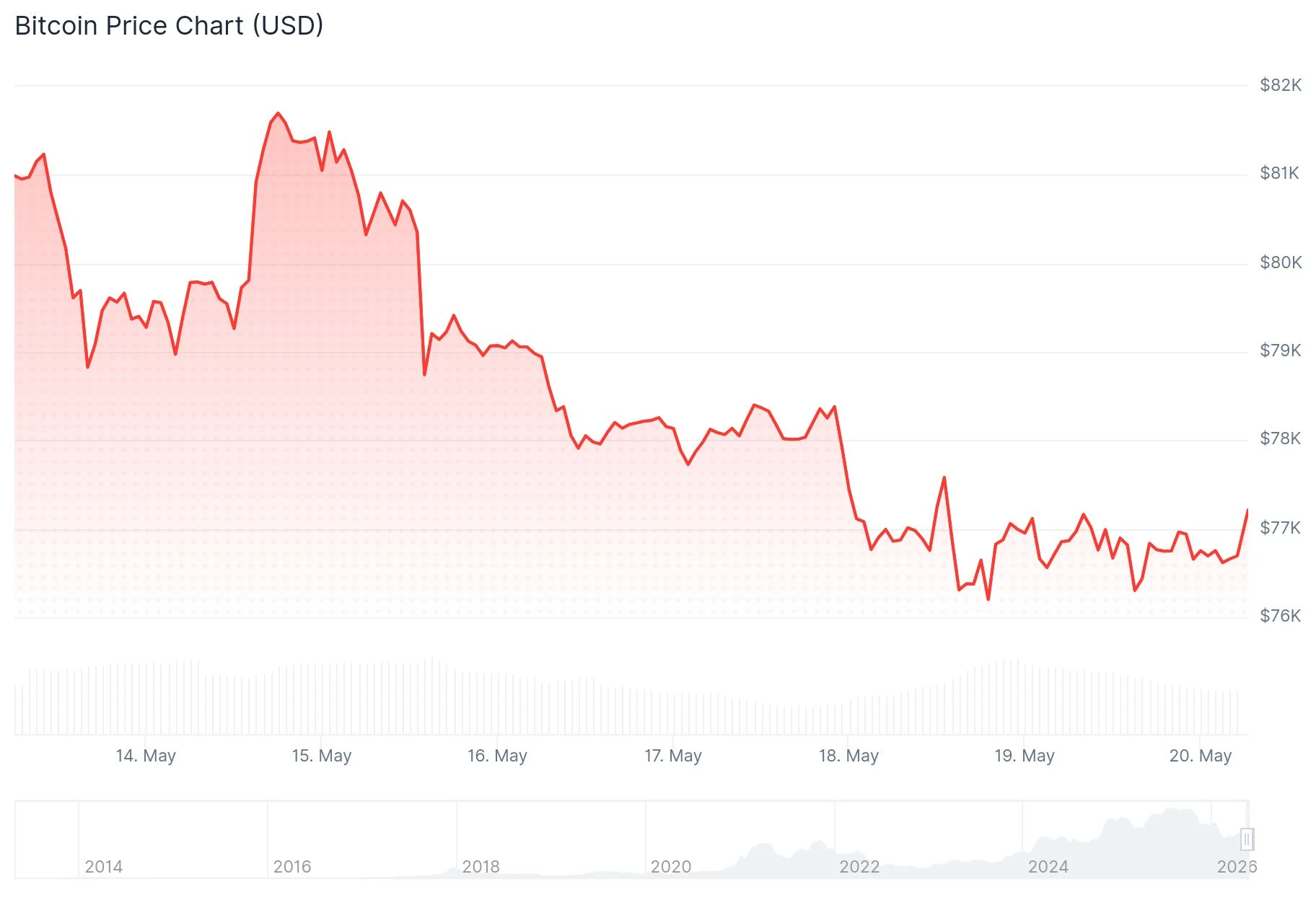
Bitcoin (BTC) Hovers Above $77K Amid Iran Diplomacy and Rising Treasury Yields