YouTube AI Likeness: The Revolutionary Tool That Will Transform Creator Content Forever

BitcoinWorld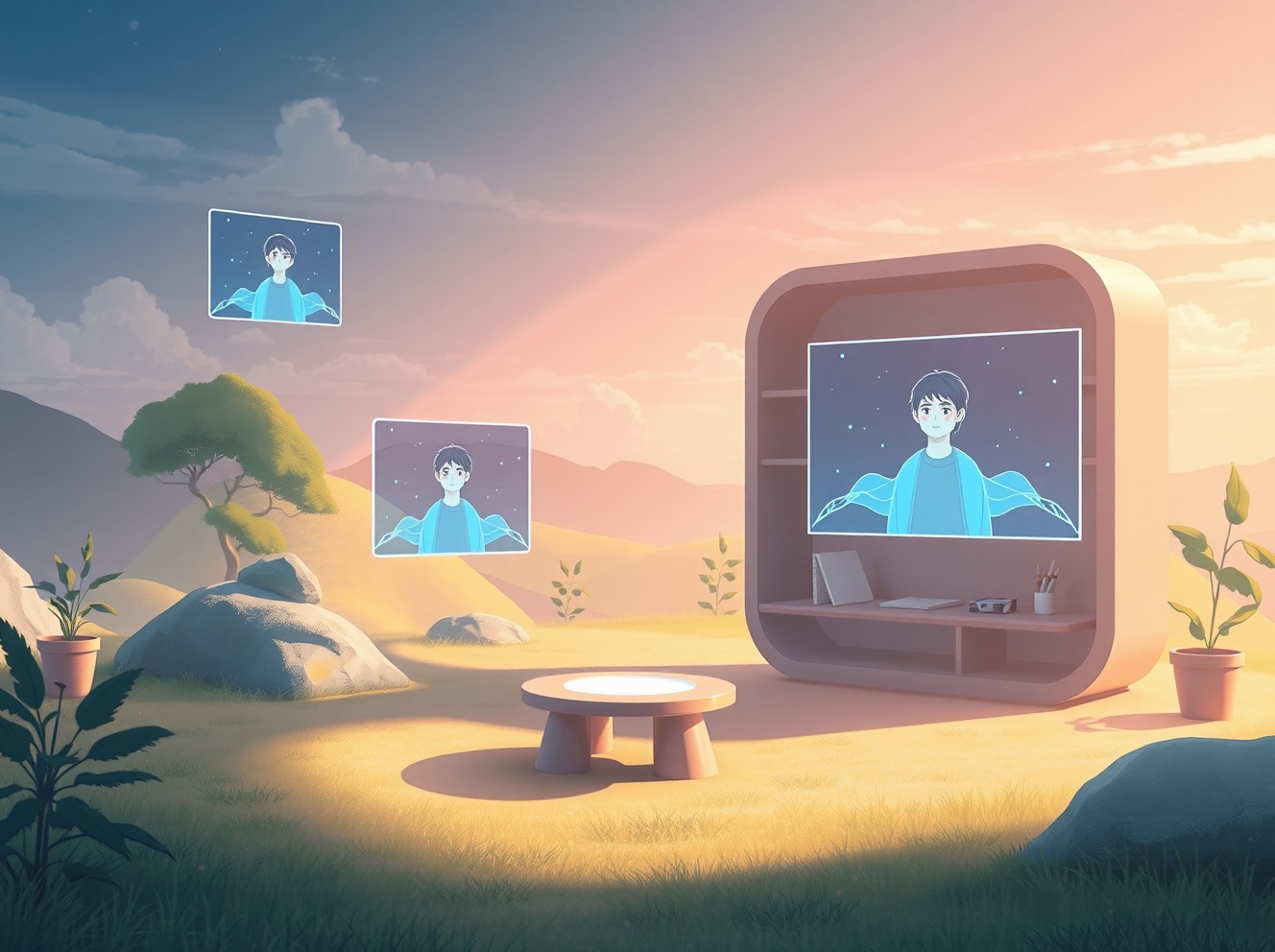
YouTube AI Likeness: The Revolutionary Tool That Will Transform Creator Content Forever
In a groundbreaking announcement that will reshape digital content creation, YouTube CEO Neal Mohan revealed on Wednesday that creators will soon harness their own AI likeness to produce Shorts content, fundamentally altering how audiences interact with their favorite personalities while addressing critical concerns about digital identity protection in the AI era.
YouTube AI Likeness: A New Frontier for Creator Expression
YouTube’s latest innovation represents a significant evolution in content creation tools. The platform, which now averages 200 billion daily views on Shorts according to Mohan’s annual letter, continues to invest heavily in its short-form video ecosystem. This new capability will allow creators to generate content using digital versions of themselves, potentially increasing production efficiency while maintaining authentic connection with audiences.
Mohan emphasized that “AI will remain a tool for expression, not a replacement” throughout this technological evolution. The announcement comes as YouTube expands its existing AI toolkit for Shorts, which already includes AI clip generation, AI stickers, and AI auto-dubbing features. Industry analysts note this move positions YouTube competitively against TikTok and Instagram Reels, both of which have been rapidly developing their own AI content tools.
Balancing Innovation with Creator Protection
YouTube demonstrates remarkable foresight by simultaneously launching protective measures alongside creative tools. The platform recently implemented likeness-detection technology that enables eligible creators to identify unauthorized AI-generated content featuring their face or voice. Creators can then request removal of such content, establishing a crucial safeguard against digital impersonation.
This dual approach reflects YouTube’s commitment to maintaining what Mohan calls “a high-quality viewing experience.” The company plans to build upon established systems that have successfully combatted spam and clickbait, now applying similar principles to reduce what Mohan terms “low quality AI content.” This proactive stance addresses growing concerns across social platforms about “AI slop”—low-effort, algorithmically-generated content that floods user feeds.
The Historical Context of Platform Evolution
Mohan’s letter provides valuable perspective on YouTube’s approach to emerging trends. “Over the past 20 years, we’ve learned not to impose any preconceived notions on the creator ecosystem,” he wrote, referencing how once-unconventional content like ASMR and gaming streams became mainstream successes. This historical context suggests YouTube views AI likeness tools as another natural evolution in creator expression rather than a disruptive replacement of traditional content creation.
The platform’s measured approach contrasts with more aggressive AI implementations seen elsewhere in the industry. YouTube appears committed to gradual, creator-centric integration that prioritizes quality and authenticity over rapid technological adoption. This strategy aligns with the platform’s established reputation for supporting sustainable creator careers rather than chasing viral trends at any cost.
Technical Implementation and Creator Tools
While specific technical details remain undisclosed, industry experts anticipate the AI likeness feature will likely involve several key components:
- Training Process: Creators will probably provide sample content to train personalized AI models
- Customization Options: Likely controls over how the AI likeness appears and behaves
- Content Moderation: Built-in systems to prevent inappropriate use of the technology
- Integration Workflow: Seamless incorporation into existing Shorts creation tools
YouTube’s announcement indicates creators will receive “new tools to manage the use of their likeness in AI-generated content,” suggesting comprehensive control mechanisms. This approach addresses ethical concerns that have emerged around AI voice and image synthesis in other platforms.
Comparative Analysis: YouTube vs. Competitor AI Strategies
| Platform | AI Content Tools | Creator Protections | Implementation Timeline |
|---|---|---|---|
| YouTube | AI likeness, clip generation, auto-dubbing | Likeness detection, removal requests | Announced for 2025 |
| TikTok | AI avatars, background generation | Limited disclosure requirements | Already implemented |
| AI stickers, background editing | Basic content labeling | Rolling out gradually |
This comparative analysis reveals YouTube’s more comprehensive approach to both creative tools and protective measures. The platform appears to be learning from earlier implementations across the industry while addressing shortcomings in competitor systems.
Industry Impact and Creator Economy Implications
The introduction of AI likeness tools carries significant implications for the broader creator economy. Content creators may experience several transformative effects:
- Production Scalability: AI likenesses could enable creators to produce more content without proportional increases in recording time
- Accessibility Enhancement: Creators with disabilities or scheduling limitations might find new avenues for content creation
- Monetization Opportunities: New formats and increased output could create additional revenue streams
- Skill Evolution: Successful creators may need to develop AI management and digital identity skills
Industry observers note that YouTube’s careful implementation could set industry standards for ethical AI content creation. The platform’s established relationship with creators and its existing content moderation infrastructure position it uniquely to navigate the complex ethical landscape of synthetic media.
Addressing Quality Concerns in AI-Generated Content
Mohan’s letter directly confronts quality concerns that have emerged alongside AI content tools. “We’re actively building on our established systems that have been very successful in combatting spam and clickbait,” he wrote, indicating YouTube plans to apply similar quality filters to AI-generated content. This approach suggests the platform recognizes that technological capability alone doesn’t guarantee viewer satisfaction.
The emphasis on quality maintenance reflects YouTube’s understanding that audience retention depends on engaging, authentic content regardless of its production method. This quality-first philosophy may help YouTube avoid the pitfalls experienced by platforms that prioritized AI content quantity over viewer experience.
Future Developments and Platform Expansion
YouTube’s announcement forms part of a broader expansion of Shorts capabilities. The platform plans to introduce new formats including image posts, already popular on competing platforms. This multi-pronged development strategy suggests YouTube aims to create a comprehensive short-form content ecosystem rather than simply replicating individual features from competitors.
The integration of AI likeness tools with other announced features—including text-prompt game production and music experimentation tools—indicates YouTube’s vision of a unified creative suite. This holistic approach could provide creators with unprecedented flexibility in content production while maintaining platform cohesion and user experience consistency.
Conclusion
YouTube’s introduction of AI likeness tools for Shorts creation represents a carefully balanced innovation that could transform content creation while addressing critical ethical concerns. The platform’s simultaneous deployment of creator protections demonstrates sophisticated understanding of the challenges presented by synthetic media. As YouTube continues to evolve its AI capabilities, its emphasis on quality, creator control, and authentic expression may establish new industry standards for responsible AI implementation in content platforms. The YouTube AI likeness initiative ultimately reflects the platform’s commitment to empowering creators while protecting their digital identities in an increasingly synthetic media landscape.
FAQs
Q1: When will YouTube’s AI likeness feature be available to creators?
YouTube has announced the feature for release “this year” according to CEO Neal Mohan’s annual letter, though specific rollout dates remain undisclosed. The platform typically implements major features through gradual testing phases before full release.
Q2: How will YouTube prevent unauthorized use of creator likenesses?
The platform has implemented likeness-detection technology that allows eligible creators to identify AI-generated content featuring their face or voice. Creators can then request removal of such content through established moderation channels.
Q3: Will AI-generated content be labeled differently on YouTube?
While specific labeling policies weren’t detailed in the announcement, YouTube’s existing approach to synthetic media suggests likely implementation of disclosure requirements or visual indicators for AI-generated content featuring creator likenesses.
Q4: How might AI likeness tools affect creator revenue and monetization?
Industry analysts suggest AI tools could enable increased content production, potentially creating additional monetization opportunities through YouTube’s Partner Program. However, the platform’s emphasis on quality suggests algorithms may prioritize viewer engagement over sheer output volume.
Q5: What distinguishes YouTube’s approach from other platforms’ AI tools?
YouTube appears to be implementing more comprehensive creator protections alongside creative tools, learning from earlier industry implementations. The platform’s established moderation infrastructure and creator relationships position it uniquely to address ethical concerns around synthetic media.
This post YouTube AI Likeness: The Revolutionary Tool That Will Transform Creator Content Forever first appeared on BitcoinWorld.


You May Also Like

Tim Draper to Keynote Investment Crowdfunding Week 2026 as Private Market Access Reaches Inflection Point

Trump weighs sending US special forces to seize Iran’s uranium stockpiles