

JPMorgan CEO Jamie Dimon warns a credit card rate cap would cut off credit access for 80% of Americans
The head of America’s largest bank issued a stark warning about potential economic fallout from limiting what credit card companies can charge customers, even as the president pushed forward with the controversial plan.
Jamie Dimon, who runs JPMorgan Chase, told an audience in Davos, Switzerland, on Wednesday that forcing a cap on credit card rates would cut off borrowing options for most Americans. He said roughly 80% of people in the country rely on credit cards as their safety net when money gets tight.
Trump doubles down on 10% interest rate proposal
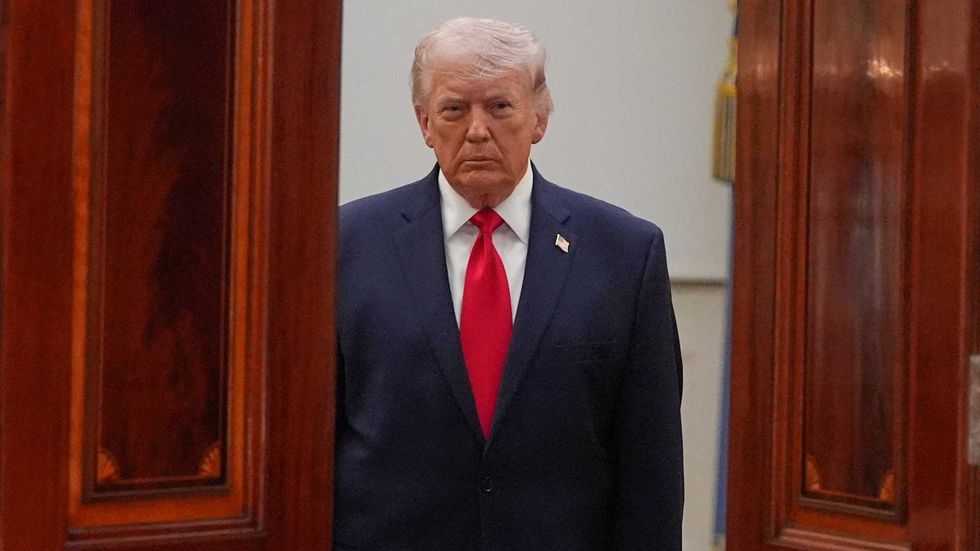
President Donald Trump brought up the rate cap idea again during his own speech at the World Economic Forum gathering the same day. He told the crowd he wants lawmakers to approve a 10% limit on credit card interest rates that would last for one year.
Trump pointed to what he called excessive profits in the credit card business, saying companies now make more than 50% profit margins. He argued that high credit card bills make it harder for people to save money for buying homes, calling it a major obstacle for families trying to get ahead financially.
The president originally floated this proposal earlier in January without spelling out the details. He later posted on Truth Social that he wanted companies to follow the new rule by January 20, catching the banking industry off guard. Stock prices for banks dropped when the news first broke as investors worried about losing revenue from a highly profitable part of their business.
Banking groups quickly pushed back against the idea, saying it would actually hurt regular people by making credit harder to get. Industry representatives argued that everyday consumers would lose access to the loans they depend on.
Political analysts pointed out that getting this kind of cap through Congress faces long odds. Republicans and Democrats remain split on whether to support it, making passage difficult. One market strategist noted that since Trump asked Congress to handle it through legislation rather than taking direct action himself, the chances of seeing a 10% cap anytime soon are quite low.
Dimon suggests testing rate cap in two states first
Dimon suggested a different approach during his remarks. He said the government should try out the rate cap in just two states first – Vermont and Massachusetts – to see what actually happens before rolling it out nationwide. His suggestion got laughs from people in the room, likely because senators from those two states, Bernie Sanders and Elizabeth Warren, have previously called for exactly this kind of limit on credit card rates.
The JPMorgan chief painted a grim picture of what he thinks would follow a rate cap. He said the loudest complaints wouldn’t come from the credit card companies themselves. Instead, he predicted restaurants, stores, travel businesses, schools, and local governments would suffer most because people would start missing payments on other bills, including basic services like water.
Banks charge higher rates on credit cards than on other loans because card debt carries more risk. Unlike mortgages or car loans, credit cards aren’t backed by property that lenders can seize if borrowers don’t pay. This unsecured nature means banks face bigger losses when people default.
Dimon mentioned his company plans to provide more detailed information to the administration about what effects a rate cap would have. During an earnings call last week, JPMorgan’s finance chief suggested the bank might consider legal challenges if the government issues poorly justified orders to drastically alter their business operations.
Some analysts think credit card companies might try to find a middle ground by creating new products. These could include cards with lower rates for certain customers, basic cards without rewards programs that charge 10%, or cards with smaller borrowing limits.
Other major bank leaders share similar concerns. Jane Fraser, who heads Citigroup, told CNBC from Davos earlier in the week that she doesn’t think Congress will actually approve the credit card rate caps.
By Wednesday, bank stocks had recovered somewhat. An index tracking large banking companies was up 1.2% for the day. Major banks are reportedly working behind the scenes to present alternative ideas to the administration as it tries to address voter worries about living costs before the upcoming congressional elections.
Claim your free seat in an exclusive crypto trading community - limited to 1,000 members.


You May Also Like

XRP Has Overtaken Solana And Ethereum In This Major Metric

What’s new in House Kalinga bill to cushion oil price shock?
'Good for the country': Dan Rather finds hope in the GOP's 'never-ending trainwreck'



