What Investors Look for in AI Infrastructure During Due Diligence
Understanding Why AI Infrastructure Matters to Investors
When investors review an AI-driven company, they do not start with flashy demos or bold claims. They start with the foundation. AI infrastructure tells a clear story about how serious, prepared, and scalable a business really is. During due diligence, investors want to know if the technology can support growth without falling apart. Strong infrastructure signals discipline, planning, and long-term thinking. Weak infrastructure suggests risk, even if the product looks impressive on the surface.
AI infrastructure includes data pipelines, model deployment, monitoring systems, security controls, and cost management. These pieces work together behind the scenes. Investors look closely at how well they are designed and how clearly founders understand them. A founder who can explain their infrastructure in simple terms builds immediate trust. It shows ownership and control rather than reliance on luck or hype.
At its core, due diligence is about reducing uncertainty. Investors ask one key question: can this company grow safely and efficiently? AI infrastructure provides many of the answers. It reveals how decisions are made, how risks are handled, and how future changes will be managed.
Data Architecture and Reliability
Clean Data Pipelines Signal Maturity
Data is the fuel for every AI system. Investors pay close attention to how data is collected, processed, and stored. Clean and automated data pipelines reduce errors and improve reliability. Manual steps raise red flags because they do not scale well and increase risk. Companies with strong data structure appear more mature, even at early stages.
Investors also want to know how often data updates and how issues are handled. Monitoring systems that catch problems early show responsibility. Reliable data means reliable outputs, and reliable outputs lead to better business decisions.
Transparency Builds Confidence
Clear visibility into data flow matters just as much as the data itself. Investors look for dashboards and reporting tools that explain what the AI is doing and why. When founders can show how data turns into insights, confidence grows. Transparency removes fear and replaces it with understanding.
Daniel Davidson, Founder, SMART CONTENT LAB – FZCO, shares:
“I’ve learned that investors care deeply about clarity. When data systems are clean and visible, conversations change. I focus on building infrastructure that makes decisions easier to explain. That structure builds trust quickly during due diligence.”
Scalability and Cost Control
Can the System Grow Without Breaking?
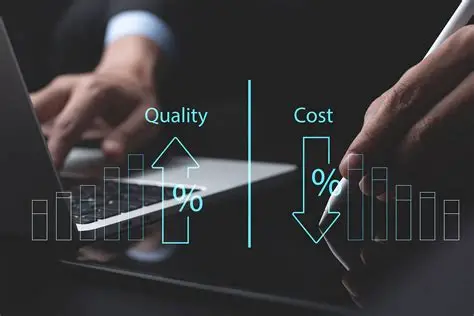
Scalability is one of the first technical questions investors ask. They want to know what happens when usage doubles or triples. Does performance hold steady? Do costs explode? Infrastructure that scales smoothly shows foresight. Infrastructure that struggles raises concern.
Investors review cloud setup, compute usage, and deployment methods. They want to see that growth was planned for, not patched together. Even small signs of planning can make a big difference in how safe an investment feels.
Smart Spending Protects Margins
AI infrastructure can become expensive if not managed carefully. Investors examine how compute, storage, and tools are chosen. They want to see trade-offs, not excess. Founders who understand where money is spent and why earn more trust.
Cost-efficient systems signal leadership maturity. They show that growth will not destroy margins. This balance between performance and spending is a major factor in valuation discussions.
Security, Compliance, and Risk Management
Protecting Sensitive Data Is Non-Negotiable
AI systems often handle private or sensitive data. Investors expect basic security practices even in early-stage companies. Encryption, access control, and audit logs matter. These systems reduce legal and reputational risk.
Compliance readiness also comes into focus. Even if regulations do not apply yet, investors want to see awareness. Infrastructure that can adapt to compliance needs shows long-term thinking.
Operational Resilience Reduces Downtime Risk
Investors also evaluate how systems handle failure. Downtime damages trust and revenue. Monitoring tools, alerts, and recovery plans signal preparedness. Companies that plan for failure appear more professional than those who assume everything will work.
Resilient infrastructure reduces surprises after funding. Investors value predictability more than perfection.
Speed, Flexibility, and Technical Debt
Fast Iteration Without Chaos
Markets move fast, especially in AI. Investors want teams that can adapt quickly. Infrastructure that supports rapid testing and deployment without breaking is highly attractive. Long development cycles increase risk.
Speed alone is not enough. Investors watch for technical debt. Systems built too fast without structure often slow down later. Smart infrastructure allows speed now and stability later.
Hrishikesh Roy, Founder, Roy Digital, explains:
“Investors favor teams that move fast but stay organized. I design AI infrastructure that supports quick launches without piling on technical debt. When systems are clean, speed becomes a strength instead of a risk. That balance matters a lot in due diligence.”
Flexibility Supports Future Change
AI evolves quickly. Infrastructure that allows model updates, integrations, and experimentation without full rebuilds is highly valued. Investors look for modular systems that can adapt as technology changes.
Flexibility reduces long-term risk. It keeps the business competitive and lowers future costs.
Team Capability and Documentation
Infrastructure Reflects the Team Behind It
Investors often say they invest in people, not just products. Infrastructure reveals how teams think. Clean architecture, automation, and documentation show discipline. Messy systems suggest future problems.
Even when using third-party tools, intentional design matters. Investors want to see clear reasoning behind choices.
Documentation Lowers Operational Risk
Well-documented systems reduce dependence on individual team members. Investors care about this because people leave, teams grow, and knowledge must transfer smoothly. Good documentation signals readiness to scale.
It also speeds onboarding after funding, which supports faster growth.
Alignment With Business Outcomes
AI Must Drive Real Value
Investors are cautious of AI that looks impressive but lacks clear impact. Infrastructure should connect AI outputs to business results. This might include cost savings, improved predictions, or better customer experience.
Clear alignment between AI systems and revenue builds confidence. Investors want to know how infrastructure supports growth, not just technology for its own sake.
Measurement and Validation Matter
Testing and evaluation processes are another key signal. Investors ask how models are validated and improved over time. Continuous testing shows commitment to quality and reduces long-term risk.
Clear metrics also support honest conversations during due diligence.
Conclusion
During due diligence, investors look closely at AI infrastructure because it reveals how a business will grow under pressure. Clean data pipelines, scalable systems, cost control, security, flexibility, and documentation all matter. Together, they signal maturity and readiness.
The key takeaway is clear. AI infrastructure is not just a technical detail. It is a business foundation. Founders who invest early in clear, flexible, and efficient systems give investors what they value most: confidence that growth will be strong, stable, and sustainable.


You May Also Like

Hard luck lands J-6er before tough Trump judge

Dartmouth Endowment Adopts Solana ETF, Reaches $14M Crypto Exposure