

Where crypto market structure bill stands now
The digital assets market stands still while US lawmakers are moving closer to a committee vote on a crypto structure bill. However, reports suggest that there are deep political divisions that still remain, and bipartisan support looks uncertain.
The industry leaders have also shared their separate views on the bill. On one hand, Brian Armstrong, Coinbase CEO, pulled support before the markup; Andreessen Horowitz (a16z) supported the bill as written. Summer Mersinger, CEO of Blockchain Association, has attacked the big bank lobby, while Binance CEO, Richard Teng, stated that any regulation would be better than no regulation.
Senate crypto bill splits lawmakers
According to reports, the Senate Agriculture Committee released updated legislative text on Wednesday. Chairman John Boozman mentioned that Republicans and Democrats failed to reach an agreement. This comes in despite two extra weeks of talks. The draft now reflects Republican priorities, and it holds no public backing from Democrats on the committee.
This includes Cory Booker, who served as the lead Democratic negotiator on the bill for months. His absence signals that coming Tuesday’s markup could send the bill out of committee on party lines. It’ll be enough to deliver a big difference with the House process.
The House Agriculture Committee has reportedly advanced its version of the legislation with a bipartisan vote of 47 to 6. Senate aides say the divide highlights how fragile consensus remains despite growing pressure to act.
Booker’s office has reportedly said that he will continue working with Boozman to get the legislation passed and signed into law. This opens the gate for some Democrats to still vote in favor during markup. Meanwhile, no Democratic senator has yet said that publicly.
Keeping aside the political uncertainty, the industry reaction to the bill has been slightly positive. Stakeholders suggest that the Senate text closely mirrors the House Agriculture Committee’s Clarity Act. Industry groups have called for provisions that focus regulation on intermediaries rather than protocols or end users.
The bill includes language that shields noncustodial software developers and infrastructure providers from direct regulation. That approach has been a central industry demand amid fears that broad rules could sweep in open source developers.
The text also adds a new section addressing meme coins. It classifies them as digital commodities when they are marketed mainly online to drive speculative trading. The regulator would retain authority to carve out exceptions if needed.
Senate’s focus shifting elsewhere?
Another key feature is funding. The bill provides the Commodity Futures Trading Commission with ongoing resources through fees paid by the platforms it oversees. That model mirrors the way the Securities and Exchange Commission is funded and has been a long standing industry request.
Attention is now shifting to the Senate Banking Committee. A report stated that Republicans on the committee could delay their own market structure markup for weeks to focus on housing legislation. The report triggered concern across the crypto industry.
Industry participants say last week may have been the final window to advance a Banking Committee markup before late February or early March. January is now seen as effectively closed.
Talks between Banking Committee members and industry representatives have not resumed. There is also no clarity on the status of discussions between Coinbase and major banks over the treatment of yield. Both sides remain at odds over whether crypto platforms should be allowed to offer yield bearing products.
The White House and the Banking Committee have both signaled that progress depends on Coinbase and the banks reaching a compromise. Until then formal negotiations are unlikely to restart.
February presents additional hurdles. Much of the month could be consumed by efforts to advance housing legislation aligned with President Trump’s affordability agenda. The Senate also faces a week long recess from Feb. 16 to Feb. 20 for Presidents’ Day.
The Banking Committee is also preparing for scheduled hearings with bank regulators. Those hearings could further push crypto legislation down the agenda.
More time before a markup cuts both ways. It gives industry players and banks space to negotiate on yield. It also allows Senate Democrats and the White House to continue talks over ethics provisions that remain unresolved.
If you're reading this, you’re already ahead. Stay there with our newsletter.


You May Also Like
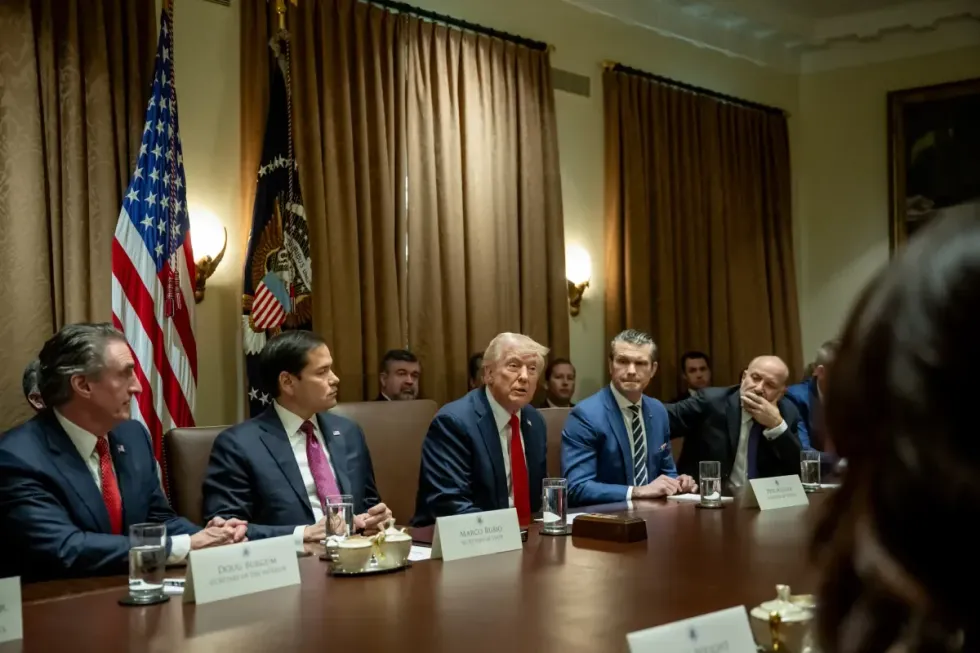
Trump biographer predicts next 3 Cabinet members on the chopping block

Kalshi hires ex-Democratic strategist amid legal troubles




