

Who made $8 million in 24 year old stock trader?
Who made $8 million in 24 year old stock trader? What headline lessons teach us about steady money habits
Headlines that scream a big number—like Who made $8 million in 24 year old stock trader?—grab attention. They promise drama and instant success. But real resilience isn’t about sudden fireworks. It’s about steady, repeatable habits that protect you when life throws a wrench in the gears. This guide is for people who want to build that steady guardrail: practical steps you can take this week, this month, and this year.
What you’ll get here: clear actions for emergency savings, budgeting that fits your life, smart debt strategies, fraud defenses that don’t require tech wizardry, an easy way to start investing, insurance choices that actually protect, and a simple monthly routine to keep progress steady.
If you’d like plain-language tools to help along the way, consider checking Finance Police’s practical guides and calculators at Finance Police — they’re designed for everyday readers and focus on clear, useful steps rather than flashy promises.
Let’s begin with a simple question: what would make you feel steadier tomorrow? That tiny question is the seed of financial resilience.
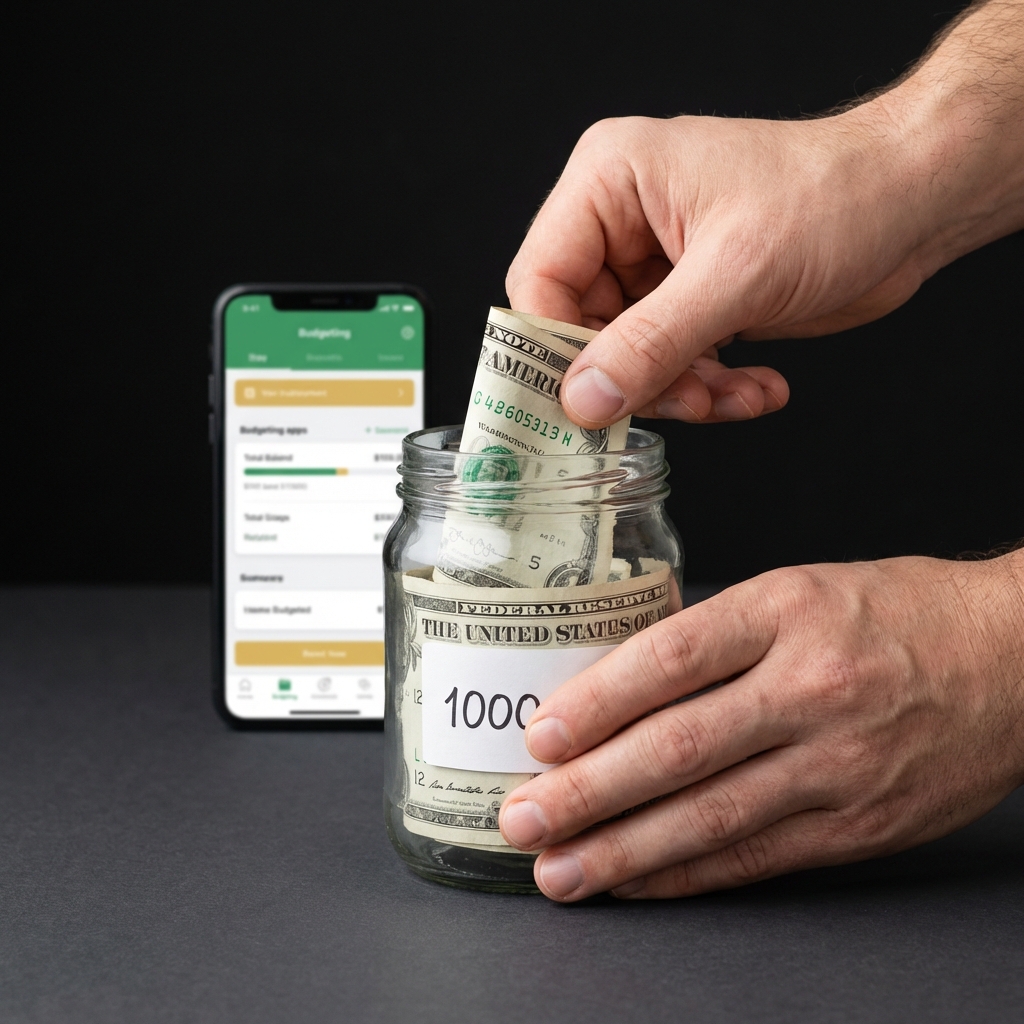
Open a separate savings account labeled "Emergency" and set an automatic transfer of a small, affordable amount each payday—$25–$100—so saving becomes automatic and builds momentum without friction.
Emergency money: why small, reachable goals matter
An emergency fund can feel abstract when it’s treated as a single big number. Instead, break it into steps. Start with a small, urgent goal—$500 or $1,000—and build habitually toward a larger cushion.
Why small goals work: they’re psychologically easier, create quick wins, and build momentum. If saving three months of expenses seems impossible, saving $1,000 in three months feels doable and still buys real breathing room.
How to choose the right emergency fund amount
Think about the likely shocks in your life: car repairs, medical bills, or an unexpected move. Estimate the cost of the most probable shock and make that your first target. From there, add layers: one month, three months, then six months for added protection. For a high-level view of building long-term resilience, see this guide from Building financial security and resilience.
Where to keep it: accessibility matters. A linked savings account or money-market account works well—easy to access, separate from day-to-day spending, and less tempting than your checking account. Practical guidance on emergency accounts is available from the Consumer Financial Protection Bureau and from a short, practical piece on preparing for shocks at the St. Louis Fed.
Practical step-by-step to start today
1) Open a dedicated savings account labeled “Emergency.” 2) Automate a small recurring transfer timed with payday. 3) If you must use it, make a plan to refill a fixed amount within 90 days. Those rules turn intention into habit.

Budgeting that fits your life, not a punishment
Many people think budgets are a list of what you must stop doing. Instead, treat a budget as permission: permission to keep what matters and trim what doesn’t. Start by tracking your actual spending for a single month—use your bank statements, receipts, or a simple notebook. For a practical walkthrough on tracking and setting a budget, see how to budget.
Create categories that match your life: housing, food, transport, health, entertainment, savings, debt. Seeing real numbers takes the mystery out of money and gives you power to choose.
Make your budget reflect values
Ask: what gives you energy, and what costs you regret? Keep the things that matter. Trim the automatic subscriptions you no longer use. Build buffer zones—small buckets for unpredictable costs—so a surprise coffee purchase doesn’t disrupt your plan.
Three budgeting methods that actually stick
1. The Values Budget: put money toward what matters first (savings, core joy purchases), then allocate the rest. 2. The Envelope Method (digital or paper): set firm limits for variable categories. 3. Percentage Allocation: divide take-home pay into fixed percentages: essentials, lifestyle, savings, debt.
Debt is information, not shame
Debt can feel heavy. The first step is to make a clear map: list balances, interest rates, minimum payments, and due dates. Seeing everything turns anxiety into action.
Two effective payoff approaches: the highest-interest first method saves money over time. The smallest-balance first method builds psychological wins. Choose the method you’ll follow consistently.
When payments bite, call lenders before missing them. Many offer hardship plans. Avoiding the conversation usually costs more in stress and fees than asking for help.
Smart, small moves to reduce debt faster
– Round up payments to the nearest $10 or $50 each month.
– Use windfalls (tax refund, bonus) to wipe down one balance.
– Refinance or transfer a high-rate balance only if the new plan clearly saves money and fits your discipline.
Protect yourself from scams the calm way
Scams thrive on hurry. The single best defense is the habit of pausing. When you’re told to act immediately—stop, verify, and use official channels to call back. Don’t click unexpected links. Keep passwords unique and enable two-factor authentication (prefer app-based when possible).
Make regular account checks a short habit: a five-minute weekly review of statements will catch most problems early. When you spot a weird charge, call your bank immediately; many banks reimburse fraud if reported quickly.
Easy email and device hygiene
– Use a password manager to create and store complex passwords.
– Keep operating systems and apps updated.
– Consider a secondary email for accounts that send low-value promotions.
Who made $8 million in 24 year old stock trader? — a reminder about headlines and risk
That headline is a classic example: it emphasizes a single huge outcome and makes success look effortless. In reality, most long-term financial wins are built from consistent small steps and time. When you see big-money headlines, use them as a prompt to ask: what risks were taken? Could that strategy have cost a lot? How much luck, leverage, or risk was involved?
Investing without feeling overwhelmed
Investing is simply a way to let money grow over time. Time and consistency beat trying to time markets. If your employer offers a retirement plan with matching contributions, capture the full match first—it’s free money. Then consider low-cost index funds or ETFs that spread risk across many companies.
If you’re nervous about investing, start small. Even modest monthly contributions compound into meaningful balances over years. As confidence grows, learn about asset allocation and adjust for your risk tolerance.
Practical starter portfolio ideas
– For beginners: a target-date fund or a simple mix of a broad stock index fund and a bond fund.
– For more comfort: higher bond allocation to reduce volatility.
– Keep fees low: expense ratios matter and eat into returns over decades.
Insurance: the quiet protection that matters
Insurance can feel like paying for something you hope never happens. But the right policies prevent one event from wiping out years of work. Prioritize health, auto, and renter/home insurance. If others depend on you, consider life and disability insurance. For policy overviews and comparisons, check insurance topics at insurance.
Review policies yearly. Know your deductible and coverage limits. Often, a slightly higher deductible with a lower premium is a smart trade-off if you have emergency savings to cover that deductible.
Money habits that add up
Big results come from small habits. The compound interest of behavior is powerful. Try these simple practices:
– Automate transfers to savings and retirement.
– Check accounts for 5–10 minutes every week.
– Pause before large purchases—sleep on it.
– Keep a secure, updated list of passwords and important documents.
Use a short pre-mortem before big decisions
Before signing a lease, changing jobs, or buying a car, imagine the decision going wrong. What would break? What would the first 90 days look like? That small exercise helps you create contingency plans and reduces surprise.
Handling setbacks with a clear map and kindness
Setbacks happen. When they do, do the practical triage first: list what must be paid in the next 30 days, pause non-essential services, and contact creditors early. A short checklist reduces panic and clarifies options.
Then give yourself emotional space. Resilience includes compassion. A setback does not erase competence. Reach out for advice or emotional support—asking for help is a pragmatic, often fast, route to recovery.
When to seek professional help
Talk to a certified credit counselor if debt feels unmanageable, a consumer-law attorney if you face legal notices, or a licensed financial planner for complicated investment or retirement questions. Ask about fees up front and expect evidence-based, plain-language guidance.
Practical monthly routine to build momentum
Set a gentle monthly rhythm to keep small problems from becoming big ones:
Start of month: review income and fixed expenses; schedule transfers for savings and debt.
Mid-month: glance at spending and adjust categories.
End of month: celebrate progress and set one small goal for next month.
This routine becomes a feedback loop that prevents small leaks from becoming floods.
Two short stories that show small changes matter
A teacher saved by tiny sacrifices: she paused her daily coffee shop purchases for six weeks and put that money toward a savings goal. The routine changed her identity: small choices led to a cushion, which made it possible to invest in a professional course that led to a raise. The change was small but durable.
A developer who caught fraud early: a weekly five-minute statement review revealed suspicious charges on a secondary card. Because he checked regularly, his bank refunded most losses. That tiny habit saved months of hassle and real money.
Simple checklists and templates you can use
Emergency fund checklist: open separate account, automate transfers, set refill rule, keep 3 contacts for urgent help.
Budget setup: list actual spending, group into 8–10 categories, set monthly limits, add a surprise buffer.
Debt plan: list balances and rates, choose payoff method, automate minimums, add small extra payment when possible.
Common questions — short answers
How much should I save? Start with $1,000, then aim for one month, three months, and eventually six months of expenses.
Should I invest or pay down debt? Prioritize high-interest debt. Capture employer retirement matches first, then balance investing and debt payoff based on interest rates and psychological comfort.
Which insurance is necessary? Health, auto, and renter/home first; add life and disability if people depend on your income.
Tools and resources
Use simple calculators for savings goals, free budgeting apps to track spending, and plain-language guides to compare insurance options. If you prefer a clear, friendly resource built for everyday readers,
If you prefer a clear, friendly resource built for everyday readers, Finance Police offers practical, no-jargon articles and tools tailored to real people.
Long-term mindset: curiosity, small steps, and repeatability
Financial resilience is a habit, not a destination. It values repetition over perfection. Ask curious questions about your money, set a small goal this week, and repeat one action each month. Over a year, those steps create a calmer, more prepared life.
Putting this into practice: a 90-day starter plan
Week 1: open an emergency account and set an automated transfer of $25–$100 per payday.
Weeks 2–4: track every expense and cut one small recurring subscription.
Month 2: apply one extra payment to the highest-interest debt and set up two-factor authentication on primary email.
Month 3: review insurance deductibles and adjust if appropriate; celebrate progress with a small, budgeted treat.
Final practical tips
– Use automatic rules to remove friction.
– Treat financial tasks like short habits (5–15 minutes) rather than big projects.
– Lean on community and clear resources—advice from trusted friends, certified counselors, or a plain-language site like Finance Police is often faster than figuring everything alone.
Build a calmer financial life with practical guidance
If you want easy-to-read guides and simple tools to move forward, discover pragmatic resources from Finance Police that help you turn small actions into lasting habits.
Explore Finance Police Resources
Wrapping up: steady steps that lead to real calm
Start small, be consistent, and choose actions that match your life. A few tiny habits—automated savings, a weekly five-minute review, and a plan for debt—create resilience more reliably than chasing headlines about rapid windfalls. The quiet work you do now buys a quieter tomorrow.
Who made $8 million in 24 year old stock trader? The headline will still be clickable, but your steadiness will be the real story that matters.
Start small: aim for $1,000 as an immediate cushion. From there, work toward one month of essential expenses, then three months as a solid medium-term goal. Your exact target depends on job security, dependents, and predictable monthly costs. If your income is volatile, prioritize a larger buffer.
Focus on high-interest debt first—credit card debt and other loans with rates higher than expected long-term investment returns. At the same time, capture any employer retirement match because that is effectively free money. After addressing high-rate debt and matching contributions, balance investing and extra debt payments based on your goals and comfort.
Slow down when contacted unexpectedly: verify using official contact channels, don’t click unknown links, enable two-factor authentication (app-based when possible), use unique passwords (a password manager helps), and review statements weekly for strange charges. Those small habits stop most common scams.
References
- https://financepolice.com/
- https://financepolice.com/advertise/
- https://financepolice.com/how-to-budget/
- https://financepolice.com/category/insurance/
- https://financepolice.com/category/personal-finance/
- https://www.jpmorganchase.com/institute/all-topics/financial-health-wealth-creation/building-financial-security-and-resilience
- https://www.stlouisfed.org/publications/page-one-economics/2025/sep/when-unexpected-happens-be-ready-with-emergency-fund
- https://www.consumerfinance.gov/an-essential-guide-to-building-an-emergency-fund/


You May Also Like
SEI Price Continues Lower: Can the Giga Upgrade Trigger a Full Reversal?

Bitcoin ETFs Surge with 20,685 BTC Inflows, Marking Strongest Week




