Financial Events This Week: Critical Fed Decision and Global Policy Speeches Set to Shake Markets
BitcoinWorld
Financial Events This Week: Critical Fed Decision and Global Policy Speeches Set to Shake Markets
Global financial markets face a pivotal week in late January 2025 as central bank decisions, political speeches, and economic data converge to shape investment strategies and economic outlooks. This week’s key financial events feature the Federal Reserve’s crucial interest rate announcement alongside commentary from European Central Bank President Christine Lagarde and multiple scheduled speeches from U.S. President Donald Trump. Market participants worldwide will closely monitor these developments for signals about monetary policy direction, geopolitical stability, and economic resilience amid ongoing global challenges.
Financial Events Calendar: January 27-29, 2025
The upcoming three-day period presents a concentrated schedule of significant financial events that will influence trading across asset classes. Each event carries specific implications for currency valuations, bond yields, and equity market performance. Market volatility typically increases around such scheduled announcements, prompting institutional investors to adjust positions and hedge exposures accordingly. Historical data shows that Federal Reserve decisions alone can move major indices by 2-3% within hours of announcement.
| Date | Time (UTC) | Event | Market Impact |
|---|---|---|---|
| Jan. 27 | 1:30 p.m. | U.S. President Donald Trump speaks | High (Geopolitical) |
| Jan. 27 | 5:00 p.m. | ECB President Christine Lagarde speaks | Medium-High (Eurozone) |
| Jan. 28 | 1:30 p.m. | U.S. President Donald Trump speaks | High (Policy) |
| Jan. 28 | 7:00 p.m. | Federal Reserve interest rate decision | Very High (Global) |
| Jan. 28 | 7:30 p.m. | FOMC press conference | Very High (Forward Guidance) |
| Jan. 29 | 1:30 p.m. | U.S. initial jobless claims data | Medium (Labor Market) |
Federal Reserve Decision: Centerpiece of Financial Events
The Federal Open Market Committee’s January meeting represents the most significant of this week’s financial events. Market consensus, based on CME FedWatch Tool data, currently suggests an 85% probability of maintaining the federal funds rate at its current level. However, the accompanying statement and economic projections will provide crucial insights. Analysts will scrutinize language regarding inflation persistence, employment strength, and balance sheet normalization. The Fed’s quantitative tightening pace remains a particular focus for bond market participants.
Previous FOMC meetings in 2024 established a pattern of cautious policy adjustment. Consequently, this meeting’s outcome will either confirm or challenge existing market expectations. The post-announcement press conference, featuring Chair Jerome Powell, often generates more market movement than the decision itself. Powell’s responses to journalist questions about future rate paths and economic risks typically provide the clearest policy signals. Historical volatility patterns show S&P 500 options pricing in approximately 1.5% movement around Fed announcements.
Expert Analysis: Fed Policy Implications
Central bank analysts emphasize several key considerations for this week’s financial events. First, the Fed must balance persistent service-sector inflation against moderating goods prices. Second, labor market tightness continues to influence wage growth and consumption patterns. Third, global economic conditions, particularly in China and Europe, affect U.S. export competitiveness and corporate earnings. Fourth, financial stability concerns have resurfaced following regional banking stresses in late 2024. Finally, fiscal policy uncertainty adds complexity to monetary policy decisions.
Market strategists typically recommend specific approaches around major financial events. Many suggest reducing directional bets before announcements while increasing volatility hedges. Others advocate for sector rotation based on interest rate sensitivity. Financial institutions generally increase liquidity provisions during such periods to accommodate client flows. Trading volumes typically surge 40-60% above average during Fed decision windows, according to exchange data from previous quarters.
Global Policy Speeches: Supplementary Financial Events
President Trump’s scheduled speeches represent significant financial events with potential market impacts. Previous addresses have moved currency markets by 0.5-1.5% based on trade policy signals or geopolitical commentary. Market participants will monitor for indications about tariff policies, international relations, and domestic economic priorities. The timing of these speeches, occurring before the Fed announcement, may establish initial market sentiment for subsequent trading sessions.
European Central Bank President Christine Lagarde’s commentary constitutes another important element of this week’s financial events. Her remarks typically address Eurozone inflation trends, growth prospects, and monetary policy coordination. Given the ECB’s December decision to maintain rates, markets will seek clarity on future policy direction. The euro’s exchange rate against major currencies often experiences heightened volatility during and after Lagarde’s public appearances, affecting multinational corporate earnings and commodity pricing.
Economic Data Release: Labor Market Indicator
The January 29 release of initial jobless claims data provides the final major component of this week’s financial events. This high-frequency indicator offers timely insights into labor market conditions. Consensus forecasts anticipate claims remaining near recent averages of 210,000-225,000. Significant deviations from expectations could alter perceptions of economic strength and influence subsequent Fed policy considerations. The four-week moving average provides additional context about underlying trends beyond weekly fluctuations.
Historical analysis reveals consistent patterns around such financial events. Jobless claims data typically generates immediate bond market reactions, with higher-than-expected claims pushing Treasury yields lower. Equity markets show more varied responses, sometimes interpreting weak data as positive for future rate cuts. Currency markets generally respond to relative economic strength signals. The data’s publication occurs after European markets close but during active U.S. trading hours, ensuring immediate price discovery.
Market Preparation Strategies
Sophisticated market participants implement specific strategies around concentrated financial events. Many institutions conduct scenario analysis for each potential outcome, assigning probabilities and preparing response protocols. Liquidity management becomes crucial, with bid-ask spreads typically widening before major announcements. Options markets show elevated implied volatility, particularly for short-dated contracts spanning event periods. Cross-asset correlation patterns often shift during such weeks, requiring portfolio rebalancing.
Retail investors face different considerations around these financial events. Financial advisors generally recommend against attempting to time markets based on scheduled announcements. Instead, they emphasize maintaining diversified allocations aligned with long-term objectives. However, understanding event significance helps investors interpret market movements and avoid reactive decisions. Educational resources from major brokerages typically see increased usage during weeks with multiple financial events, according to platform engagement metrics.
Conclusion
This week’s concentrated schedule of financial events presents both challenges and opportunities for global market participants. The Federal Reserve’s interest rate decision dominates the calendar, supported by policy speeches and economic data releases. Collectively, these financial events will provide crucial information about monetary policy direction, economic resilience, and geopolitical developments. Market volatility will likely remain elevated throughout the period, requiring careful risk management and strategic positioning. Ultimately, the week’s outcomes will influence investment decisions and economic forecasts for subsequent quarters.
FAQs
Q1: Why is the Federal Reserve decision considered the most important of this week’s financial events?
The Federal Reserve sets U.S. monetary policy, influencing global interest rates, currency values, and capital flows. Their decisions directly affect borrowing costs, corporate earnings, and investment returns across all asset classes worldwide.
Q2: How do markets typically react to presidential speeches as financial events?
Presidential speeches can move markets through policy signals affecting trade, regulation, or fiscal measures. Currency and equity markets often show immediate reactions, though sustained impacts depend on subsequent policy implementation and legislative action.
Q3: What time should traders be most alert during these financial events?
The highest volatility periods typically occur at 7:00 p.m. UTC (Fed decision) and 7:30 p.m. UTC (FOMC press conference) on January 28. European traders should also monitor 5:00 p.m. UTC on January 27 for ECB commentary.
Q4: How can investors prepare for weeks with multiple financial events?
Investors should review their portfolio’s sensitivity to interest rates and economic data, ensure adequate diversification, avoid excessive leverage, and consider maintaining cash reserves for potential opportunities that may emerge post-announcements.
Q5: Do all financial events have equal impact across different asset classes?
No, different events affect various assets disproportionately. Interest rate decisions primarily influence bonds and currencies, while employment data strongly impacts equities. Geopolitical speeches often affect commodity prices and safe-haven assets like gold and government bonds.
This post Financial Events This Week: Critical Fed Decision and Global Policy Speeches Set to Shake Markets first appeared on BitcoinWorld.


You May Also Like
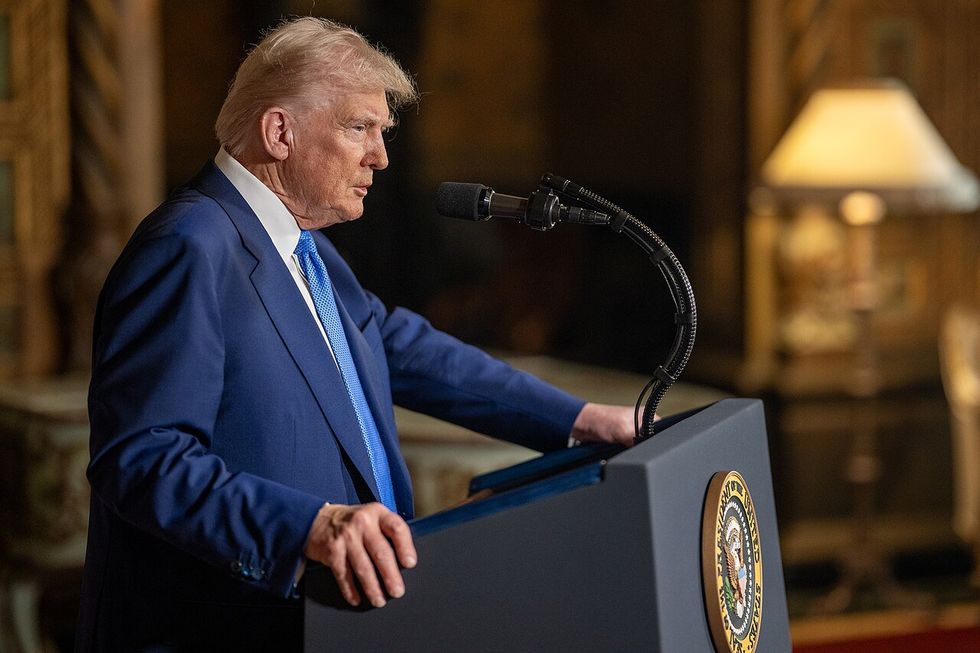
Republicans deploy ground troops in the states to execute 'the plan'
GOP Senate hopeful under fire over ties to church rocked by child sex abuse scandal