

Russia Crypto Ban: WhiteBIT Exchange Faces Devastating Sanctions for Ukraine Military Support
BitcoinWorld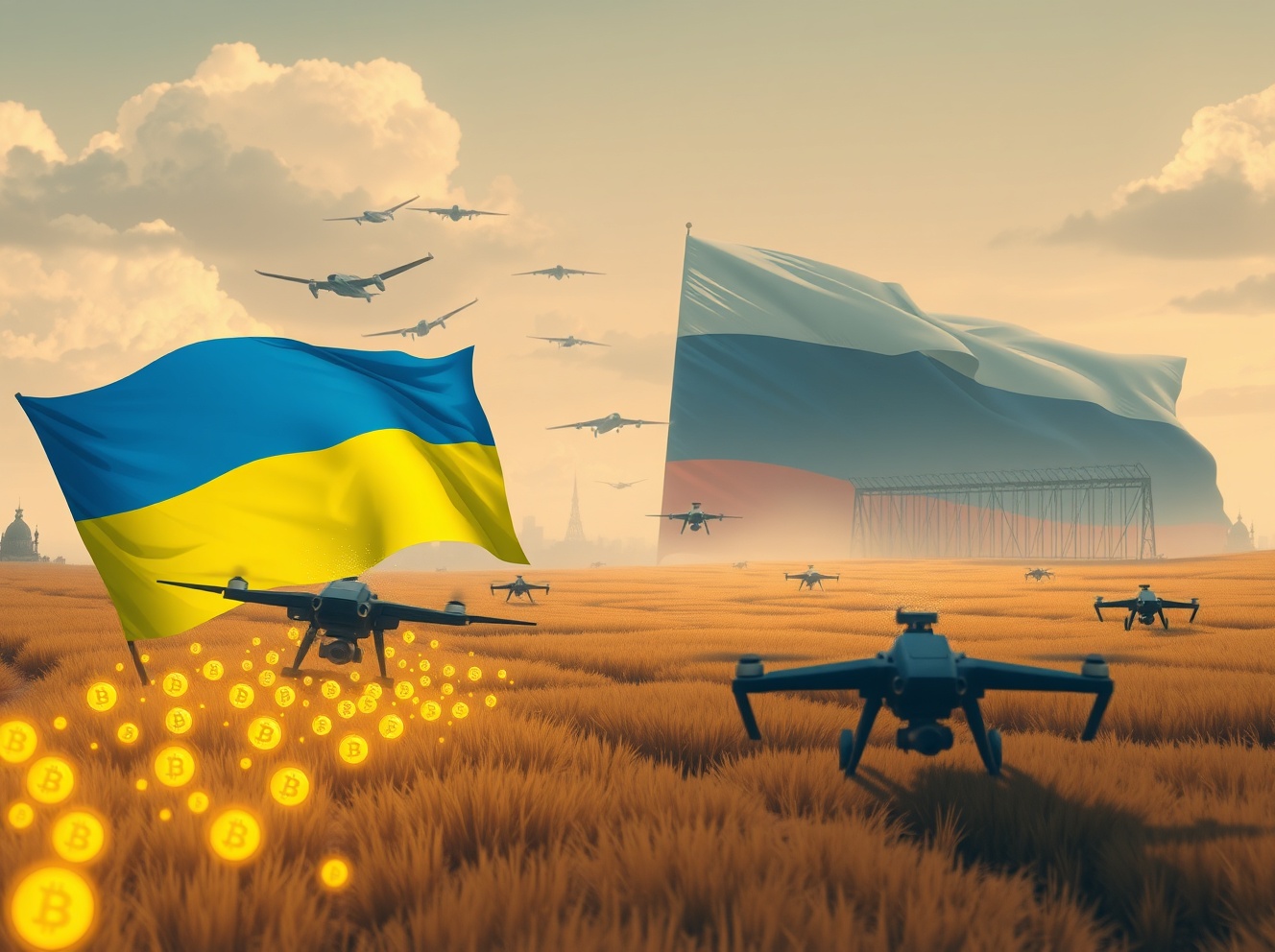
Russia Crypto Ban: WhiteBIT Exchange Faces Devastating Sanctions for Ukraine Military Support
MOSCOW, RUSSIA – March 2025: Russian authorities have implemented a comprehensive ban against cryptocurrency exchange WhiteBIT, designating the platform and its parent company as “Undesirable Organizations” following revelations of substantial financial support to Ukrainian military forces. This dramatic regulatory action represents one of the most significant crypto sanctions since the 2022 invasion began, highlighting how digital assets have become entangled in modern geopolitical conflicts. The Russia crypto ban specifically targets WhiteBIT for allegedly providing approximately $11 million in aid, including $1 million for drone procurement, creating immediate repercussions across global cryptocurrency markets.
Russia Crypto Ban Targets WhiteBIT Exchange Operations
The Russian Prosecutor General’s Office officially announced the prohibition on March 15, 2025, making all transactions with WhiteBIT illegal within Russian jurisdiction. Authorities specifically cited the exchange’s “systematic support” for Ukrainian military infrastructure since February 2022. Consequently, Russian citizens now face potential criminal charges for engaging with the platform. This regulatory move follows months of escalating tensions between Russian financial watchdogs and cryptocurrency entities operating with Ukrainian connections. The designation as an Undesirable Organization carries severe penalties, including potential asset freezes and prosecution of collaborators.
WhiteBIT, founded in Ukraine in 2018, had grown into one of Eastern Europe’s largest cryptocurrency exchanges before this development. The platform served approximately 4 million users globally with trading volumes frequently exceeding $500 million daily. Russian authorities claim the exchange facilitated “planned money laundering operations” designed to move funds abroad, though they provided limited specific evidence in their public statements. International compliance experts note this action aligns with Russia’s broader strategy of controlling financial flows during geopolitical conflicts.
Ukraine Crypto Support Mechanisms and Military Funding
Ukrainian military forces have received substantial cryptocurrency donations since the conflict’s inception, with blockchain analytics firms tracking over $200 million in crypto contributions. WhiteBIT’s reported $11 million contribution represents a significant portion of this total. The exchange established a dedicated “Army of Drones” fundraising initiative in 2023, publicly documenting their support through blockchain transactions. Approximately $1 million specifically funded unmanned aerial vehicles, according to Ukrainian military procurement records. These drones have played crucial roles in reconnaissance and defensive operations along the front lines.
Cryptocurrency’s borderless nature has enabled rapid funding of Ukrainian defense efforts despite traditional financial restrictions. Ukrainian officials have openly praised crypto donations for providing “agility in procurement” compared to conventional banking channels. The transparency of blockchain technology allows donors to track fund utilization, creating unprecedented accountability in military crowdfunding. However, this transparency also enabled Russian authorities to identify and target specific contributors like WhiteBIT.
| Source | Amount (USD) | Primary Use | Delivery Method |
|---|---|---|---|
| WhiteBIT Exchange | $11 million | Drones & Equipment | Direct Blockchain Transfers |
| Come Back Alive NGO | $64 million | Armored Vehicles | Crypto-to-Fiat Conversion |
| UkraineDAO | $7 million | Medical Supplies | NFT Sales |
| Unnamed Crypto Donors | $118 million+ | Various Military Needs | Mixed Methods |
Geopolitical Implications for Digital Asset Regulation
Financial warfare experts observe that this Russia crypto ban establishes a concerning precedent for weaponizing cryptocurrency regulation. Nations may increasingly employ financial technology restrictions as geopolitical tools rather than purely economic measures. The WhiteBIT case demonstrates how exchanges operating in conflict zones face impossible choices between regulatory compliance and humanitarian principles. Furthermore, this situation highlights the growing intersection between national security concerns and decentralized finance infrastructure.
International regulatory bodies have monitored cryptocurrency’s role in conflict financing with increasing attention. The Financial Action Task Force (FATF) updated its guidance in 2024 specifically addressing “virtual asset service providers in conflict zones.” However, current frameworks struggle to address scenarios where exchanges openly support recognized governments rather than non-state actors. This regulatory gap creates uncertainty for exchanges operating in politically volatile regions.
Cryptocurrency Sanctions Evolution and Enforcement Mechanisms
Russia’s approach to cryptocurrency regulation has evolved significantly since 2022. Initially, authorities maintained relatively permissive policies toward digital assets, recognizing their utility for circumventing traditional financial sanctions. However, recent months have witnessed a strategic shift toward stricter control. The WhiteBIT ban represents the most aggressive enforcement action against a specific exchange to date. Russian financial monitoring agency Rosfinmonitoring now employs advanced blockchain analytics tools to trace cryptocurrency flows, demonstrating sophisticated technical capabilities.
Enforcement mechanisms for the WhiteBIT prohibition include:
- ISP Blocking: Russian internet providers must restrict access to WhiteBIT domains and applications
- Bank Monitoring: Traditional financial institutions must report transactions connected to the exchange
- User Prosecution: Individuals attempting to circumvent the ban face administrative and potential criminal charges
- Asset Freezes: Russian-based assets connected to WhiteBIT may be seized under existing legislation
These measures align with Russia’s broader strategy of creating a “sovereign internet” and controlling digital financial flows. Similar approaches have emerged in other nations facing geopolitical isolation, suggesting this may become a template for future cryptocurrency restrictions during conflicts.
Market Impact and Exchange Response Strategies
Following the announcement, WhiteBIT experienced approximately 15% withdrawal increases from Russian-based accounts within 48 hours. The exchange responded by accelerating its “geographic rebalancing” strategy, previously implemented in anticipation of potential restrictions. WhiteBIT CEO Volodymyr Nosov stated the platform had “gradually reduced Russian exposure since 2023” through voluntary user migration programs. The exchange now emphasizes its European Union registration and compliance with Markets in Crypto-Assets (MiCA) regulations.
Competitor exchanges operating in the region have responded cautiously. Some platforms have enhanced their compliance screening for Russian-connected accounts, while others have quietly limited services to avoid similar designations. This regulatory uncertainty has created market fragmentation, with some traders migrating to decentralized exchanges despite their technical complexity and reduced liquidity. The long-term impact on cryptocurrency adoption in Eastern Europe remains uncertain, though immediate disruption appears significant.
Legal Precedents and International Law Considerations
International legal experts debate whether Russia’s WhiteBIT designation violates bilateral investment treaties or international trade agreements. The exchange’s European Union registration potentially creates jurisdictional conflicts that may escalate to international arbitration. Previous cases involving digital asset seizures during conflicts have established limited precedents, leaving substantial legal uncertainty. Furthermore, the classification of cryptocurrency exchanges as “Undesirable Organizations” rather than traditional financial institutions creates novel legal questions regarding applicable protections and remedies.
Human rights organizations have expressed concern that restricting financial channels for humanitarian support may violate international conventions. However, nations maintain broad discretion regarding financial regulation during armed conflicts. This tension between national security prerogatives and humanitarian principles will likely generate continued legal challenges as cryptocurrency becomes increasingly integrated into global conflict dynamics.
Conclusion
The Russia crypto ban targeting WhiteBIT exchange represents a pivotal moment in digital asset regulation, demonstrating how cryptocurrency platforms become geopolitical instruments during conflicts. This action highlights the complex intersection between decentralized finance and national security concerns, creating challenging compliance dilemmas for exchanges operating in volatile regions. As cryptocurrency continues evolving as both humanitarian tool and potential conflict financier, regulatory frameworks must develop greater sophistication to address these dual realities. The WhiteBIT case will undoubtedly influence how nations approach cryptocurrency regulation during geopolitical tensions, potentially reshaping global digital asset markets for years to come.
FAQs
Q1: What specific activities triggered Russia’s ban on WhiteBIT?
Russian authorities cited WhiteBIT’s provision of approximately $11 million to Ukrainian military forces, including $1 million for drone purchases, as the primary justification. They also alleged the exchange facilitated money laundering operations to move funds abroad, though detailed evidence remains limited in public disclosures.
Q2: How will Russian authorities enforce the WhiteBIT cryptocurrency ban?
Enforcement mechanisms include internet service provider blocking of WhiteBIT domains, mandatory transaction reporting by traditional financial institutions, potential prosecution of users attempting to circumvent restrictions, and possible asset seizures connected to the exchange’s operations within Russian jurisdiction.
Q3: What percentage of WhiteBIT’s user base was affected by this Russia crypto ban?
While exact figures remain confidential, industry analysts estimate Russian users represented 15-20% of WhiteBIT’s customer base before the conflict. The exchange had been gradually reducing this exposure through voluntary migration programs since 2023 in anticipation of potential restrictions.
Q4: How does this action compare to other cryptocurrency sanctions during the conflict?
This represents the most aggressive direct sanction against a specific exchange to date. Previous measures focused more broadly on cryptocurrency mining restrictions or general warnings about crypto donations to Ukraine, rather than comprehensive bans targeting individual platforms.
Q5: What are the implications for other cryptocurrency exchanges operating in conflict zones?
The WhiteBIT case establishes a concerning precedent where exchanges may face impossible choices between regulatory compliance and humanitarian principles. Other platforms operating in politically volatile regions will likely enhance compliance screening, consider geographic rebalancing strategies, and increase transparency regarding their political neutrality or affiliations.
This post Russia Crypto Ban: WhiteBIT Exchange Faces Devastating Sanctions for Ukraine Military Support first appeared on BitcoinWorld.


You May Also Like

TOKEN2049 Dubai postponed: Why Paris matters next

Polymarket Adds Equities, Commodities via Pyth Price Feeds



