What are good side hustles for income? A practical guide
FinancePolice aims to make these choices clearer. Use this article as a starting point, then verify tax and platform details with official sources before you invest time or money.
What passive ways of income means and why people consider them
Passive versus active income: key differences
Passive ways of income describe earnings that require less ongoing time once the initial work or capital is in place. In plain language, an income stream is more passive when it pays with less regular effort, but few options are entirely hands off. Digital products, dividend investing, and rental real estate often sit on a spectrum from active to semi-passive as creators, investors, or operators add systems or capital over time.
Expect variation. Many side hustles begin as active work and become more passive if you automate, outsource, or invest proceeds into scalable assets. Consumer guides that review passive-potential across ideas explain this spectrum and how upfront effort changes the outcome Bankrate passive income ideas.
Download the FinancePolice 30-day side-hustle checklist
Get a one-page checklist to test a side hustle idea in 30 days, free from FinancePolice's resources.
Get the checklist
Why people pursue passive ways of income now
People look for passive ways of income to diversify how they earn and to reduce reliance on a single paycheck. Demand for gig and side hustles remains large, which means more people compete in markets like online selling and freelancing, but it also shows how widely accessible some ideas can be Pew Research Center analysis of gig work.
Choosing a path depends on your goals and constraints. Some readers prioritize faster payments and lower startup cost, others trade speed for potential long-term passivity. This guide focuses on decision factors you can test and measure before committing significant time or money.

A simple framework to choose the right side hustle for you
Five decision factors to weigh
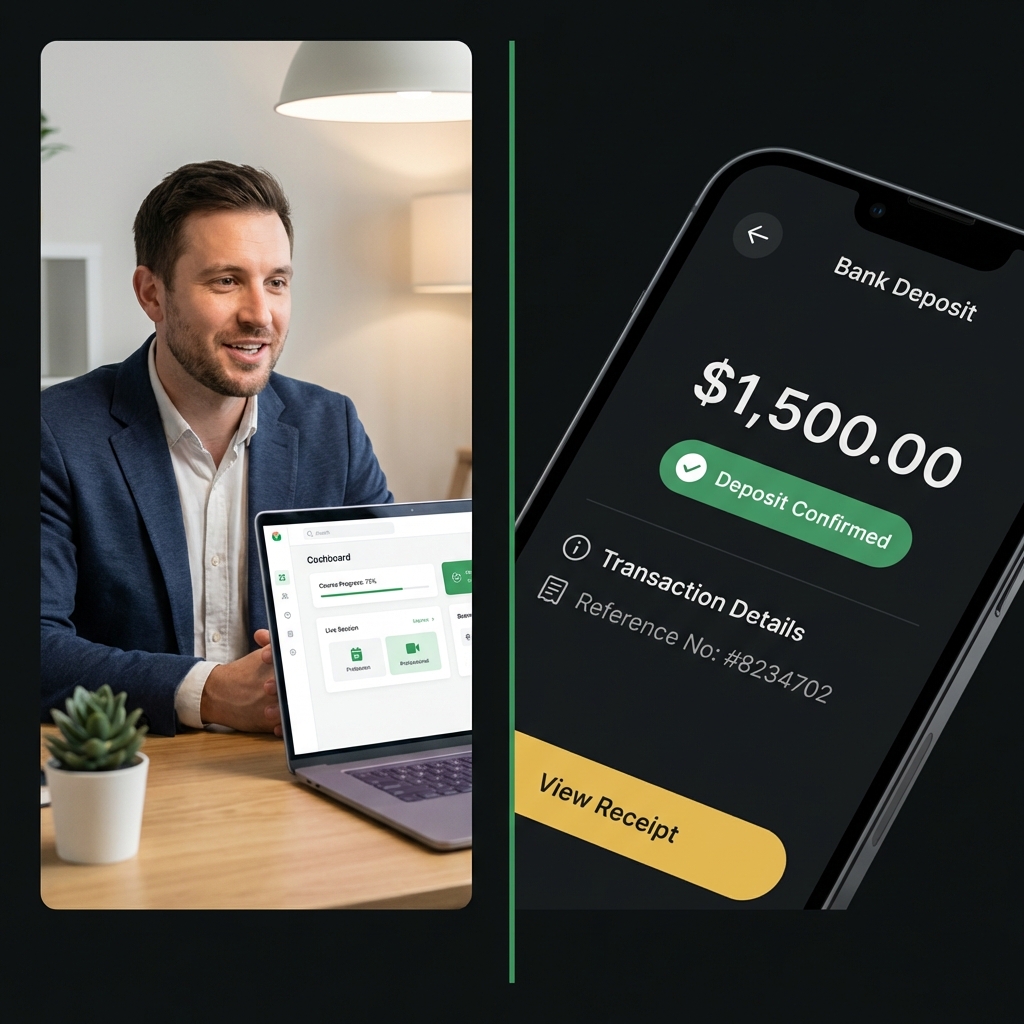
Use five core criteria when comparing ideas: startup cost, expected time-to-first payment, scalability or passive potential, tax and legal setup, and platform or market risk. The Small Business Administration recommends considering business structure and legal obligations early as you plan a side activity SBA guidance on choosing business structure.
Each factor matters differently by idea. Startup cost tells you how much cash you need. Time-to-first payment affects cash flow pressure. Scalability indicates whether revenue can grow without matching increases in your hours. Tax and legal setup determine reporting and costs. Platform risk covers rules, fees, and competition.
A quick scoring worksheet you can use
Rate each idea from 1 to 5 on the five factors, then sum the scores to compare options. Use lower scores for lower cost or risk and higher scores for higher cost or risk so the direction matches your priorities. For tax questions, early checks with official guidance can avoid surprises; the IRS notes that self-employment tax may apply to independent earnings, which affects take-home results IRS self-employment tax guidance.
This structured approach helps you decide which side hustles to test first and which to avoid. Keep the worksheet simple and retest after your first month of work to update realistic estimates.
Common options: freelancing, digital products, investing and reselling – how passive are they?
Freelancing and gig work: fast income, low passivity
Freelancing and gig work typically pay sooner because you trade hours for money. These paths often require ongoing time and client management, which keeps them on the active side of the passivity spectrum. Consumer guides repeatedly note that these approaches are accessible but require sustained effort to maintain earnings NerdWallet passive income ideas.
Because income can be immediate, freelancing works well if you need early cash. It scales slowly unless you shift from doing billable work to selling repeatable assets or building a team.
A simple scoring calculator to compare startup cost, time to first payment, and scalability
–
points
Lower score suggests faster and cheaper paths
Digital products and online courses: upfront work, longer-term passive potential
Digital products and online courses require front-loaded work to create content and initial marketing. Once established, they can sell repeatedly with less hands-on time, giving them semi-passive potential over months to years rather than days to weeks Bankrate passive income ideas.
Expect initial promotion and updates. Passive potential improves with automation and smarter delivery, but platforms and market demand affect how much time you will need to keep sales steady.
Investment-based options: dividends, REITs, crowdfunding
Investment vehicles like dividend-paying ETFs or REITs can deliver income without daily effort, but they are subject to market risk and liquidity considerations. More complex vehicles, such as some real estate crowdfunding offerings, have specific disclosure rules and investor protections that you should read before committing capital SEC investor bulletin on crowdfunding risks.
Dividend investing and broad ETFs tend to be simpler to manage than direct real estate investments, but all investment-based options require due diligence on fees, tax treatment, and liquidity.
Tax, legal, and reporting checklist you should run before you start
Self-employment tax and reporting basics
Income from side hustles is taxable in the U.S., and self-employment tax may apply to freelance or independent earnings. Plan for these obligations early so you set aside funds for taxes and avoid surprises at filing time IRS self-employment tax guidance. See TurboTax’s tax tips for side giggers, U.S. Bank’s freelancer tax guide, or H&R Block’s side-hustle filing advice for practical tips.
Track gross receipts and allowable expenses from day one. Good records reduce audit stress and help if you later choose a formal business structure.
Choosing a business structure and simple compliance steps
The SBA recommends thinking about business structure as you launch, since entity choice affects liability, taxes, and paperwork. Simple options like sole proprietorships require less paperwork but offer no liability separation, while small-company structures can provide protection at the cost of more administration SBA guidance on business structure.
Action steps: open a separate account for income and expenses, keep a basic ledger, save receipts for deductible costs, and consider consulting a tax professional if you expect meaningful income.
How to evaluate startup cost, time-to-income, and scalability for each idea
Estimating realistic startup cost
Estimate startup cost by listing one-time expenses and recurring fees. One-time items might include equipment or course production costs. Recurring items include hosting, platform fees, and marketing. Low-cost ideas often use existing skills and minimal tools, while higher-cost options need equipment or inventory.
To budget, add a conservative buffer for unexpected costs and plan a small marketing test to validate demand before spending heavily. Consumer guidance on passive-potential highlights the importance of matching cost to expected time-to-income so you avoid cash shortfalls NerdWallet passive income ideas.
Realistic passive ways of income often start with upfront work or capital. Options include creating digital products, dividend investing, and rental or pooled real estate investments, each with different startup cost, time-to-income, and risk profiles.
Projecting time to first payment and breakeven
Estimate time-to-first payment by mapping the steps from idea to sale. For freelancing, that might be finding a client and completing work. For a digital product, include time for production, listing, and initial marketing. Breakeven is the point where cumulative revenue covers startup cost; set a realistic window, such as 30 to 90 days for fast paths and several months for content or investment strategies.
Keep assumptions conservative. If time-to-income is long and startup cost is high, plan a smaller test to reduce risk and confirm demand before scaling.
Typical mistakes and risks to avoid when chasing passive income
Overestimating how passive an approach will be
A common error is assuming an idea will be passive from day one. Most models need ongoing maintenance, updates, or customer service to remain viable. Consumer guides caution readers that passive-potential usually builds over time with deliberate automation and reinvestment Bankrate passive income ideas.
Plan for maintenance work and factor it into your time budget so the idea does not erode value you expected to keep.
Underestimating tax and compliance risks
Ignoring tax reporting, platform terms, or disclosure rules can create avoidable problems. For regulated investment products marketed as passive, special disclosure and investor-protection rules exist and warrant careful reading before you invest SEC investor bulletin on crowdfunding risks.
Mitigations include starting small, saving for taxes, and reading official materials for regulated products before committing capital.
Practical examples and mini-scenarios: from quick gigs to semi-passive streams
Scenario A: A freelance graphic designer begins by taking client work and saves templates that later become paid digital products. That shift reduces hours per sale but requires initial promotion and occasional updates. Guides on digital product potential show how front-loaded effort can yield semi-passive sales over months NerdWallet passive income ideas.
Scenario B: Marketplace reselling can pay quickly but often stays active because sourcing, listing, and shipping require hands-on time. Surveys show that many adults participate in online selling and similar gigs, indicating both opportunity and competition in these markets Pew Research Center analysis of gig work.
Scenario C: A small investor compares dividend ETFs, REITs, and crowdfunding. Dividend ETFs and REITs offer relatively simple exposure, while crowdfunding investments have distinct offering documents and investor protections to review before committing funds SEC investor bulletin on crowdfunding risks.
When regulated investments are marketed as passive: what to check
Crowdfunding and disclosure requirements
Some investment-based passive streams are regulated and include disclosure documents that explain fees, liquidity, and risks. The SEC warns that crowdfunding and similar offerings can have limits on liquidity and specific investor protections you should read before investing SEC investor bulletin on crowdfunding risks.
Read prospectuses or offering materials carefully and compare fees and liquidity across options. If you are unfamiliar with investment documents, consider a trusted advisor or reliable educational resources to interpret the materials.
Comparing passive investment vehicles and their trade-offs
Dividend ETFs tend to be simple to buy and monitor, with transparent fees and daily liquidity. Real estate crowdfunding can offer targeted exposure but typically has more complex fees, limited liquidity, and specific investor requirements. Consumer guides recommend verifying terms, fees, and protections before deciding which vehicle fits your time horizon and risk tolerance NerdWallet passive income ideas.
Document your questions and file them with the offering materials so you can make an informed choice and avoid surprises after you invest.
How to test, measure, and scale a side hustle without overcommitting
A simple experiment plan: test, measure, iterate
Use a timeboxed experiment: set a limited number of hours, a small marketing spend, and a clear success threshold for revenue or leads. Track costs, hours, and results to measure whether the idea meets your expectations. The SBA encourages testing and conservative assumptions when you evaluate a new small business activity SBA guidance on launching a business.
Measure both gross revenue and net time after accounting for maintenance. If you cannot cover costs and meet your time targets in a reasonable window, treat it as data and pivot rather than double down without a plan.
When to automate, outsource, or stop
Automate repetitive tasks only after you have repeatable revenue and clear processes to follow. Outsource work that costs less than your time or that frees you for higher-value tasks. If the idea consistently misses thresholds and shows no path to scale, consider stopping and reallocating your time to a better idea.
Scaling decisions are trade-offs between time, money, and risk. Use small, reversible steps when you scale to avoid large sunk costs.
Simple next steps, checklist, and where to learn more
A short, printable checklist
Six immediate steps: pick one idea, estimate startup cost, set a 30-day test, track income and expenses, check tax rules, and decide whether to scale, stop, or pivot. This concise checklist keeps decisions concrete and reduces wasted time.
Primary sources and further reading
Use primary sources to confirm details about taxes and investment disclosures. The IRS and SBA pages linked above are practical starting points for U.S. readers, and SEC bulletins explain investor protections for regulated offerings SBA guidance on business structure.
Start small, iterate, and keep records. Reasonable expectations and conservative tests reduce the chance of costly mistakes.
Yes. Income from side hustles is taxable and may be subject to self-employment tax. Track income and expenses and consult IRS guidance or a tax professional for your situation.
Generally, digital products and investments can become semi-passive over months, while freelancing and reselling usually deliver income faster but require ongoing time. Results vary by effort and demand.
Many people start as sole proprietors to test an idea, then consider formal structures for liability or tax reasons as income grows. The SBA guidance can help you decide which structure fits your goals.
FinancePolice provides practical explanations to help you compare options. Use the checklist above to run a short test before you commit.
References
- https://www.bankrate.com/personal-finance/passive-income-ideas/
- https://www.pewresearch.org/internet/2021/11/04/gig-work-online-selling-and-delivery/
- https://www.sba.gov/business-guide/launch-your-business/choose-business-structure
- https://www.irs.gov/businesses/small-businesses-self-employed/self-employment-tax
- https://www.nerdwallet.com/article/investing/passive-income-ideas
- https://www.sec.gov/oiea/investor-alerts-and-bulletins/ib_crowdfunding
- https://financepolice.com/advertise/
- https://financepolice.com/category/side-hustles/
- https://financepolice.com/how-to-become-a-freelancer/
- https://financepolice.com/passive-income-7-proven-ways-to-make-your-money-work-for-you/
- https://turbotax.intuit.com/tax-tips/self-employment-taxes/side-giggers-tax-tips-for-side-jobs/L6025l8Uh
- https://www.usbank.com/financialiq/invest-your-money/tax-strategies/the-freelance-taxes-guide.html
- https://www.hrblock.com/tax-center/small-business/tax-filing-side-hustle/?srsltid=AfmBOopXAliOUo-I6pIBVh7skNYYfAa2RGk66X8wvd0624PIezUMK_Vb


You May Also Like

Gold Loses 15% From War Highs as Operation Epic Fury Safe Haven Trade Unwinds – Market Updates Bitcoin News

The Role of Reference Points in Achieving Equilibrium Efficiency in Fair and Socially Just Economies