

Can I buy crypto in my Fidelity Roth? — A practical guide
Use this guide as a practical checklist and decision aid. Confirm up-to-date product availability and fees with Fidelity and any custodian you consider, and consult a tax professional if your situation has special complexities.
Quick answer: can you hold crypto in a Fidelity Roth IRA?
Short summary: best crypto roth ira
Short answer: yes, you can get crypto exposure inside a Fidelity Roth, but typically by buying tradable crypto products such as spot crypto exchange traded funds or converted trusts inside a brokerage Roth, not by holding native coins and private keys in a standard Fidelity brokerage Roth account. This path gives exposure to crypto price movements while keeping the account under Fidelity’s brokerage custody, which is different from self-custody of coins Fidelity cryptocurrency overview
One sentence guidance for common reader goals: if you want a simple, IRA-friendly way to add crypto exposure while keeping standard brokerage reporting and liquidity, ETF-based exposure is usually the practical starting point; if you need direct control of private keys you will likely have to move the Roth to a self-directed custodian that supports native crypto custody How crypto IRAs work
Partner with FinancePolice to reach readers researching crypto and retirement
Check your Fidelity account trading permissions and whether the crypto ETF or trust you want is listed and tradable in IRAs before you act.
See advertising options
What ‘crypto in a Roth IRA’ actually means
Difference between crypto exposure and holding native coins, best crypto roth ira
People often use the same words to mean two different things. One meaning is crypto exposure through tradable financial products, like exchange traded funds or converted trusts, which represent price exposure without giving you private keys. The other meaning is owning native cryptocurrency tokens and controlling private keys. These are very different in custody, operation, and tax reporting Fidelity cryptocurrency overview
With ETF-based exposure you buy a security that trades on an exchange and lives in your brokerage or IRA account. With native custody you or a specialized custodian hold the private keys that control on-chain tokens. The former behaves like other ETFs for settlement, liquidity, and statements. The latter requires a custodian that will accept and store the crypto for an IRA and often uses different reporting and transfer methods How crypto IRAs work

The tax baseline is the same either way because the IRS treats virtual currency as property. That foundational rule shapes how gains, transfers, and distributions are characterized for tax purposes and means you still must follow IRA contribution and distribution rules IRS Notice 2014-21
How Fidelity enables crypto exposure inside a Roth IRA
Tradable products available on Fidelity
Fidelity does not generally offer native coin custody inside a standard brokerage Roth account. Instead, clients can buy tradable products that provide crypto exposure while remaining within Fidelity’s brokerage custody model. Those products include exchange traded funds and certain trusts that are listed and trade on public markets Fidelity cryptocurrency overview (see Fidelity Crypto Funds Fidelity Crypto)
The availability of ETF-based crypto exposure expanded materially after the SEC approved spot Bitcoin ETFs in late 2023. That decision opened a clear path for retirement accounts, including Roth IRAs, to hold ETF-based bitcoin exposure under normal brokerage custody and trading rules SEC rule change to list and trade spot Bitcoin ETFs (see recent market coverage Bitcoin price analysis)
You can get crypto exposure in a Fidelity Roth typically by buying tradable crypto products like ETFs or trusts inside the brokerage Roth. Holding native coins in a Roth generally requires moving the account to a self-directed custodian that supports crypto custody.
Fidelity has also launched specific spot Bitcoin funds and related products since the SEC approvals, which are examples of how a brokerage platform can list ETF or fund options for IRA holders; check the fund prospectus and listing details to confirm IRA eligibility and trading terms Fidelity press release on spot Bitcoin fund (coverage at Bankrate)
Tax and legal basics you must know before adding crypto to a Roth
IRS rules on virtual currency
The IRS treats virtual currency as property, not currency, and that principle applies when crypto is held inside an IRA. That means transactions can have tax character that you need to consider and it also means IRA rules on contributions, distributions, and prohibited transactions remain in force IRS Notice 2014-21
Holding crypto inside a Roth does not change Roth withdrawal rules. Qualified distributions from a Roth still follow the same tax treatment as other Roth holdings, but how you document and report activity can differ depending on whether the asset is an ETF or a native coin held by a specialized custodian Can you hold cryptocurrency in an IRA?
There are additional tax traps to be aware of in some situations, for example unrelated business taxable income can arise if an IRA invests in certain operating businesses or passes income through specific structures. Those traps are less common for plain ETF investments, but they can matter with self-directed custody or more complex holdings Can you hold cryptocurrency in an IRA?
Two custody paths: ETF-based exposure vs self-directed native custody
Brokerage-held ETFs and trusts: how they work
One clear path for Fidelity Roth owners is to buy a crypto-linked ETF or a trust that is listed and tradable inside the Fidelity IRA. That keeps the asset inside Fidelity’s brokerage custody and generally provides standard settlement, liquidity during market hours, and familiar account statements Fidelity cryptocurrency overview
Self-directed custody is the other path. To hold native coins inside a Roth you typically need a self-directed IRA custodian that accepts crypto and that will hold private keys or arrange qualified third-party custody. This model is operationally different and usually involves separate fee structures and transfer procedures How crypto IRAs work (see a how-to guide Can you buy Bitcoin ETFs in your Fidelity 401k?)
The trade-offs are straightforward: ETF exposure favors simplicity, broad liquidity, and standard brokerage reporting, while native custody favors direct control of tokens and keys at the cost of greater operational complexity, potential higher fees, and different liquidity considerations How crypto IRAs work
Comparing fees, liquidity, reporting, and operational trade-offs
Typical fee structures
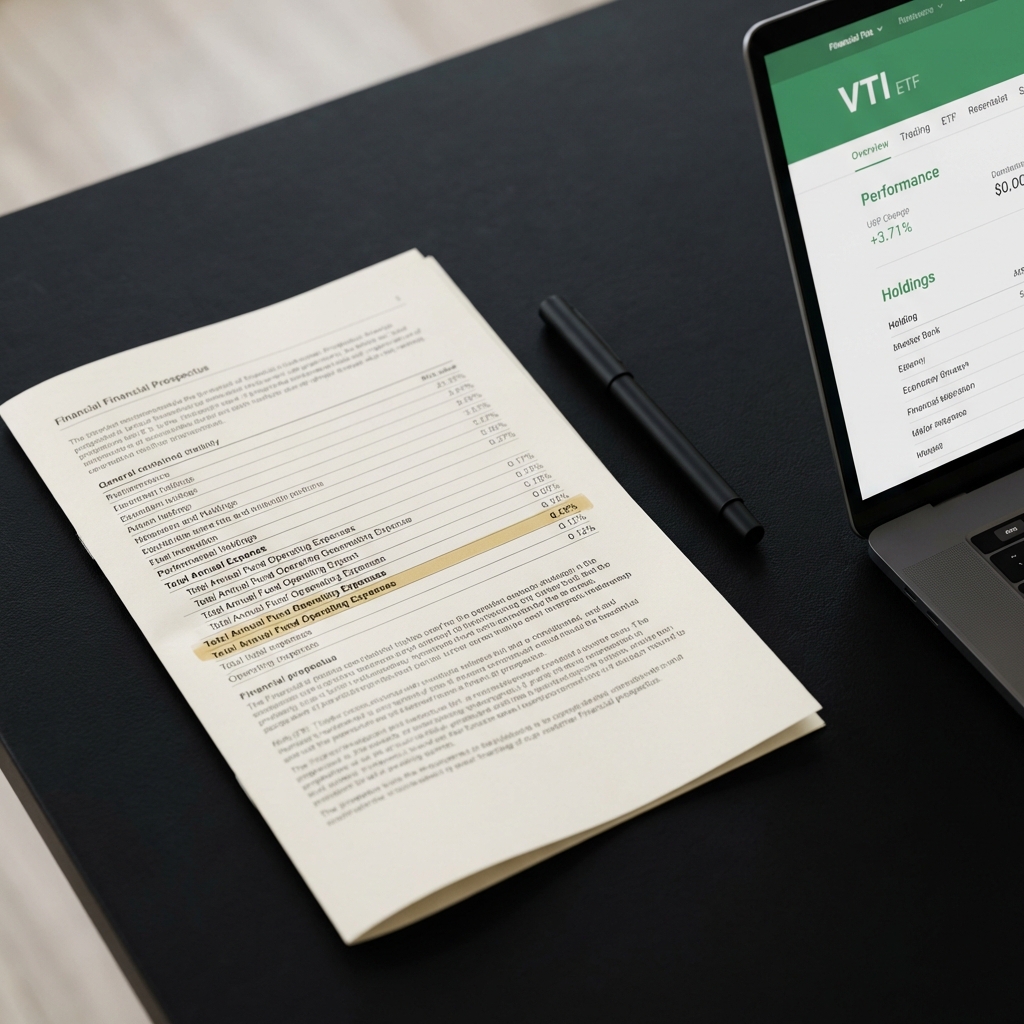
Third-party crypto IRA custodians often have separate account fees, custody fees, and transaction fees that can be material for smaller accounts. By contrast, ETFs carry expense ratios and brokerage commissions or spreads, which are visible in the fund prospectus and your trade confirmations How crypto IRAs work
Liquidity is another clear difference. Crypto ETFs trade during market hours and settle like other ETFs, which tends to make buying and selling straightforward. Native coin transfers rely on blockchain settlement and can incur transaction fees and delays; they also require custodian processes for moving coins into or out of the IRA custody arrangement How crypto IRAs work
Reporting and tax documentation also differ. Brokerage-held ETFs will generally produce the same year-end statements and notices that you expect for other funds. Self-directed custodians may provide different or additional paperwork and sometimes require more manual recordkeeping for transfers and transactions Can you hold cryptocurrency in an IRA?
Step-by-step checklist: buying ETF-based crypto exposure inside a Fidelity Roth
Account checks and eligibility
Start by confirming your Roth IRA has brokerage trading permissions and that you can place trades for ETFs and similar funds in the account. Not every retirement account is set up the same way, so verify permissions before attempting a purchase Fidelity cryptocurrency overview
Next, confirm the specific ETF or trust ticker you want is listed and tradable inside Fidelity IRAs. Read the fund prospectus and the fund’s SEC filings to understand fees, holdings, and whether any restrictions apply to IRA ownership SEC rule change to list and trade spot Bitcoin ETFs
A simple verification checklist to confirm IRA tradability and fees
Use this checklist before placing trade
When you place the trade, use normal brokerage order types and keep screenshots or confirmations for your records. For Roth contributions or rollovers used to fund the purchase, ensure the contributions are within annual limits and that any rollovers are executed as trustee-to-trustee transfers when possible Fidelity cryptocurrency overview
Finally, save prospectuses, trade confirmations, and any custodian correspondence so you can answer tax or audit questions later. Good recordkeeping simplifies year-end reporting and helps if you ever move the position to a different custodian Fidelity cryptocurrency overview
How to move a Roth IRA to a self-directed custodian to hold native crypto
When a rollover or transfer is required
If you decide you need native crypto custody inside your Roth, you will generally move the IRA to a self-directed custodian that supports crypto. That typically means a trustee-to-trustee transfer or an indirect rollover, depending on the circumstances and the custodian’s processes How crypto IRAs work
Typical steps include selecting a custodian with crypto services, opening a new self-directed Roth IRA there, initiating the transfer of assets or funds from Fidelity, funding the new IRA, and then using the custodian’s process to acquire crypto inside the IRA. Expect documentation, transfer windows, and potential transfer fees to vary by provider How crypto IRAs work
Common mistakes and compliance pitfalls to avoid
Prohibited transactions and disallowed transfers
A common compliance error is engaging in prohibited transactions, such as attempting to use IRA-held crypto for personal benefit or moving coins to a personal wallet. Those actions can jeopardize the IRA’s tax-advantaged status and carry significant tax consequences if they occur IRS Notice 2014-21
Another frequent mistake is mishandling rollovers or transfers in a way that results in constructive receipt of funds. Trustee-to-trustee transfers avoid that risk and are usually the safer path when moving retirement assets between custodians How crypto IRAs work
Also watch for fee and liquidity traps with third-party custodians. Read fee schedules carefully and confirm how long transfers take and what documentation the custodian will provide for tax reporting How crypto IRAs work
Practical scenarios: three short examples comparing ETF versus native custody
Scenario A: small-balance investor who values simplicity
For a small account, ETF exposure inside a Fidelity Roth often makes the most sense. It avoids setup friction, uses standard brokerage trading, and keeps paperwork familiar. Liquidity and lower operational burden are the main benefits for someone who wants exposure without extra custodial steps Fidelity cryptocurrency overview
Scenario B: large-balance investor who wants native custody
A larger investor who prioritizes holding private keys may choose a self-directed custodian despite higher fees and more complex transfers. That path can offer direct token control but requires accepting different liquidity, custody risk, and reporting processes How crypto IRAs work
Scenario C: someone concerned about liquidity and tax reporting
If you expect to trade frequently or want straightforward year-end statements, ETF exposure often reduces the reporting burden because brokerage custodians supply the usual tax and account documents. If your situation has unusual tax triggers, consult a tax advisor to evaluate whether self-directed custody introduces unrelated business taxable income or extra reporting needs Can you hold cryptocurrency in an IRA?
Reporting, withdrawals, and Roth-specific implications
How Roth withdrawal rules apply when crypto is inside the account
Roth IRAs keep their standard qualified distribution rules regardless of the asset type inside. That means holding crypto or crypto ETFs in a Roth generally follows the same withdrawal tax logic as other Roth holdings, subject to the standard age and five-year rules for qualified distributions IRS Notice 2014-21
Reporting differences depend on custody. Brokerage-held ETFs normally come with familiar tax statements. Self-directed custodians may issue different reports or require more manual reconciliation of transactions, so maintain clear records and consult a tax professional when in doubt Can you hold cryptocurrency in an IRA?
Questions to ask before picking a fund or custodian
Checklist to compare funds and custodians
Ask about total fees including fund expense ratios, brokerage commissions, and custodian custody fees. Confirm whether the fund or trust is IRA-eligible and whether any holding restrictions apply. Check settlement times and typical liquidity for the product you plan to buy How crypto IRAs work
Read the prospectus and the custodian agreement. Look for red flags such as unclear insurance coverage for custody, opaque fee schedules, or slow transfer processes. Verify rollover and contribution limits for Roth accounts before you move money Fidelity cryptocurrency overview
How to verify current Fidelity listings and fees in 2026
Where to find up-to-date fund availability
Check Fidelity’s fund listing and help pages for current tradable ETFs and trusts and confirm whether an ETF is available for IRA trading on the platform. Fund prospectuses and SEC filings provide the definitive product details and fee information you should rely on Fidelity cryptocurrency overview
For self-directed custodians, contact the custodian directly for up-to-date fee schedules and custody terms. Those providers vary widely, so do not assume fees or processes are the same across custodians How crypto IRAs work
Wrap-up: a practical path forward
Short recap
ETF-based crypto exposure is the common Fidelity Roth path because it works within brokerage custody and uses standard trading and reporting. Holding native coins inside a Roth typically requires a self-directed custodian that supports crypto custody and brings different fees and operational steps Fidelity cryptocurrency overview (read more at Finance Police)
Three realistic next steps: verify Fidelity product listings and account permissions, confirm your Roth contribution or rollover eligibility before moving funds, and compare fees and reporting differences between ETF exposure and self-directed custody. If your situation has tax complexity, consult a tax professional SEC rule change to list and trade spot Bitcoin ETFs. For related articles, see our crypto category Finance Police crypto
Not in a standard Fidelity brokerage Roth. To hold native Bitcoin you typically need a self-directed IRA custodian that supports crypto custody.
Yes, ETF-based crypto products that are listed and tradable on brokerage platforms can usually be held in a Roth IRA, subject to account permissions and fund rules.
No, Roth distribution rules still apply. The asset type does not change qualified withdrawal tax treatment, though reporting may differ by custody model.
Take time to verify listings, read prospectuses, and check custodian terms before you act.
References
- https://www.fidelity.com/cryptocurrency/overview
- https://www.kingdomtrust.com/self-directed-ira/crypto-ira/
- https://www.sec.gov/news/press-release/2023-233
- https://www.fidelity.com/news/press/2023/10/wise-origin-bitcoin-fund-launch
- https://www.irs.gov/pub/irs-drop/n-14-21.pdf
- https://www.investopedia.com/can-you-hold-cryptocurrency-in-an-ira-5219934
- https://financepolice.com/advertise/
- https://www.fidelity.com/etfs/crypto-funds
- https://www.bankrate.com/investing/fidelity-crypto-ira/
- https://bitcoinira.com/articles/can-you-buy-bitcoin-etfs-in-your-fidelity-401k
- https://financepolice.com/category/crypto/
- https://financepolice.com/bitcoin-price-analysis-btc-reclaims-91000-as-renewed-buying-interest-helps-recovery/
- https://financepolice.com/


You May Also Like

Ethereum Price Today: ETH At $2,138

$4 Trillion Tokenized Assets by 2028 Could Ignite DeFi Boom, Standard Chartered Says




