

👨🏿🚀TechCabal Daily – CinetPay’s $1.2M problem
Good morning. 
Nigeria is getting serious about better connectivity. Between the Nigerian Communications Commission (NCC)’s serious fines for poor service and the construction of a 90,000km fibre project, we may get out of the bad internet trenches yet. It remains to be seen.
Editor’s note: We said the inaugural Predictions project would go live last week. It didn’t. We held publication to resolve technical glitches. Stick around on ourwebsite and across our social channels, and be the first to know when it drops.
- Cinetpay owes its customers over $1.2 million
- Koko Networks shuts down
- Egypt launches POS service for payments
- Nigeria kicks off its 90,000km fibre project
- World Wide Web 3
- Event
companies
CinetPay owes its customers over $1.2 million after suffering cyberattack
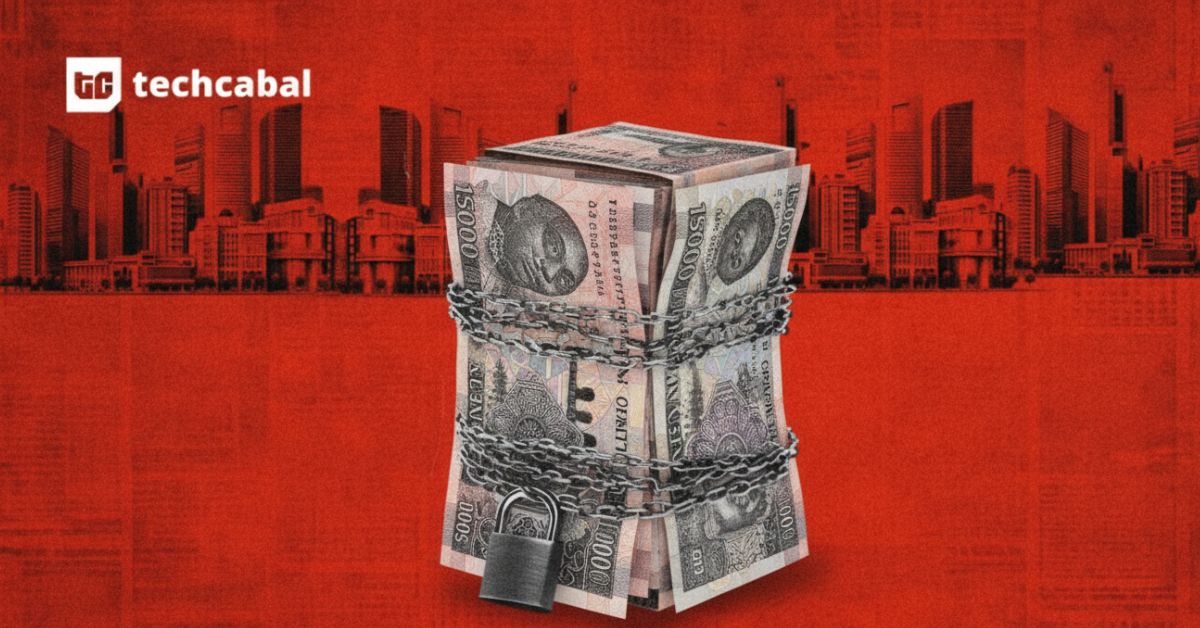 Image: TechCabal
CinetPay, an Ivorian fintech which claims to have over 25,000 businesses using its online payment collection product, owes its customers over $1.2 million since September 2025. Its CEO, Daniel Dindji, signed several documents, seen by TechCabal, that blame the cyberattack for this problem.
How did the cyberattack happen? In September 2025, CinetPay was attacked simultaneously in Côte d’Ivoire, Togo, and Burkina Faso. Within minutes, fraudsters began withdrawing funds and transferring them to mobile money accounts in these countries, according to Dindji’s letter, which cites police reports. CinetPay only detected the breach after large sums across four countries had vanished.
Why does this matter? CinetPay received a licence from the Central Bank of West African States (BCEAO), the same month it reported the cyberattack. The highly coveted licence was granted to only 30 fintechs and allows holders to process payments across member countries, including Senegal, Côte d’Ivoire, Benin, and Togo.
The licence also requires a minimum capital of 100 million CFA ($180,720), robust governance, strong anti-fraud and AML controls, and resilient technical infrastructure—all standards designed to prevent operational and security lapses. Given the recency of CinetPay’s licence, the cyberattack tested how effectively these standards were implemented in practice.
You can read more about this story here.
Your 2026 demands disciplined financial operations
Fincra powers the payments infrastructure businesses rely on to collect, pay, and settle across local and major African currencies with confidence. Get started.
companies
Koko Networks shuts down after Kenya blocked carbon credit sales
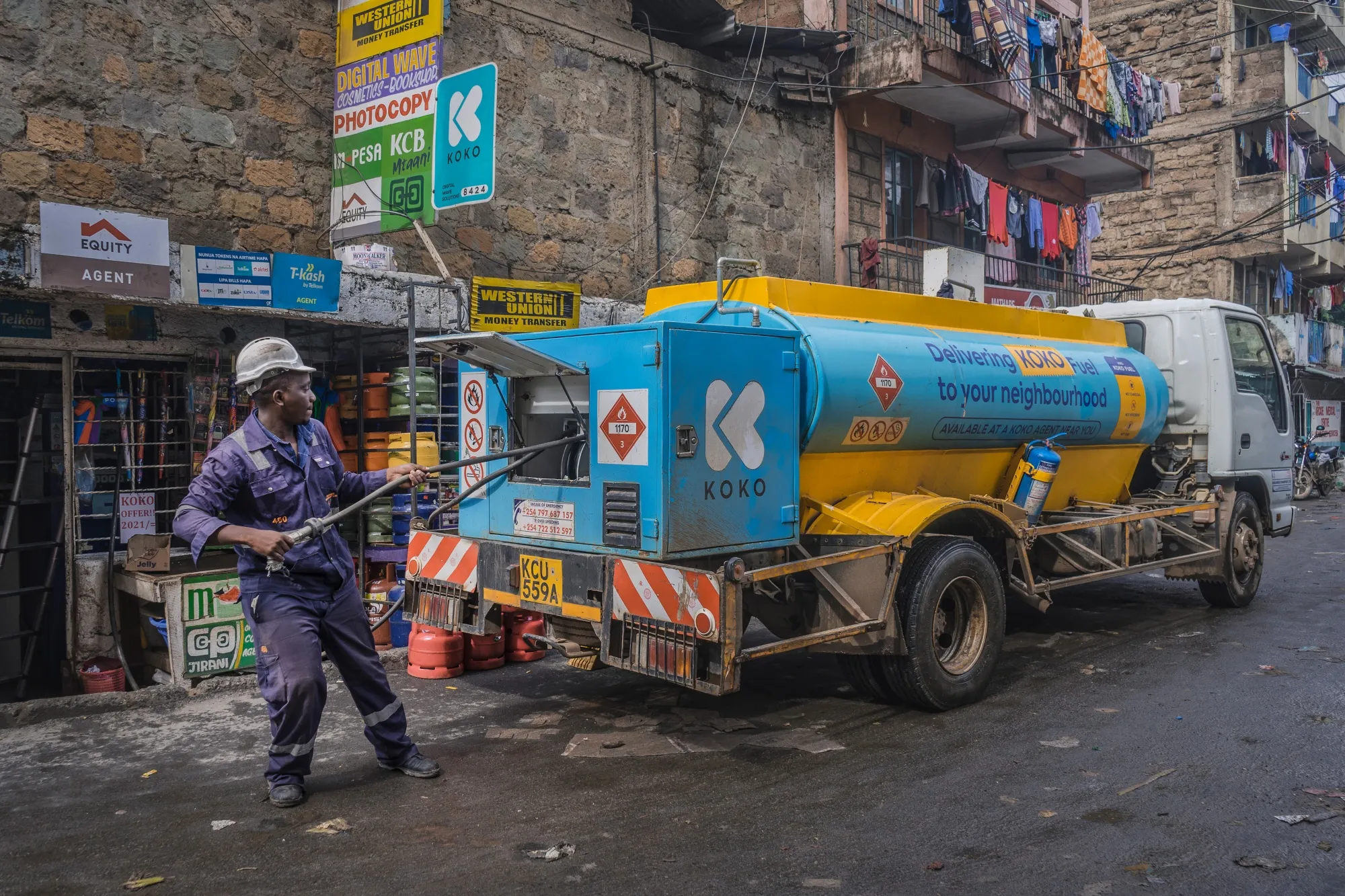 Image source: Koko Networks
Koko Networks, the Kenyan startup that sells bioethanol and cooking stoves, has laid off its entire 700-person workforce and shut operations after the government blocked its sale of carbon credits.
What are carbon credits? Every household that switched from charcoal or kerosene to Koko’s bioethanol stoves avoided emitting a certain amount of carbon. That “avoided pollution” could be converted into carbon credits, which serve as proof of environmental impact. These credits could be sold to companies abroad that need the numbers to meet their greenhouse gas emissions targets.
Koko sold bioethanol at a 50% subsidised rate on the market price and cooking stoves at a 90% subsidised rate on the market price. It made its margins by selling carbon credits abroad. However, the Kenyan government rejected its letter of authorisation (LOA) authorising the sale. Once that approval fell through, management concluded the business was no longer viable, and within days, staff were told to stop reporting to work.
The uncomfortable truth: Koko’s story is a reminder that some businesses live entirely at the mercy of regulators. Just like fintechs can’t operate without licences, climate startups tied to policy must live or die by government approval. One decision can erase years of capital, thousands of jobs, progress made with users, and an entire business model.
Discover providers and manage logistics in one secure platform.

Logistics Marketplace connects logistics buyers with logistics providers across Africa. Build your profile, respond to tenders, and grow your business. Free, backed by Global Fund & Gates Foundation. Use Access Code: WELCOME2026!
payments
Egypt launches POS service for contactless mobile payments
 Image source: Daily News Egypt
The Central Bank of Egypt (CBE) has launched a contactless electronic payment service that enables merchants to turn smartphones and tablets into full-fledged point-of-sale terminals. The rollout is part of Egypt’s push to modernise payments, reduce cash dependence, and make transactions smoother for sellers and buyers.
How will it work? Merchants download a Soft POS app on their smart device. Customers tap their contactless card, enter a PIN on the phone, and like that, the payment is accepted. The system works under secure international protocols, so users can rest assured.
Why did CBE do this? The CBE’s goal is financial inclusion and a leaner, cash-light economy under Egypt’s Vision 2030; cashless transactions in Egypt are expected to rise to $27.63 billion by 2027. In June 2025, the CBE reported that the financial inclusion rate rose to 76.3%4. Fewer expensive POS terminals mean smaller businesses can join the digital payments wave, and more people can pay electronically.
Soft POS apps only work if the provider is licenced by the Central Bank of Egypt (CBE). The announcement follows an earlier pilot of the SoftPOS solution by the Egyptian arm of Arab Financial Services (AFS), a fintech solutions provider, after receiving the licence from the CBE.
What this rollout means: Buying, maintaining, or replacing PoS machines might be expensive for merchants, but Soft POS kills that cost entirely. Lowering entry barriers could drive adoption and make digital payments the default.
Join The Citizen Townhall on February 28
Tech is political!
Political decisions shape and reshape the tech landscape every single day. So here’s the big question: Who gets to shape our lives and what can we do about it?
That’s the conversation we’ll be having at the second edition of The Citizen Townhall; on February 28, in Lagos. Join the conversation. Register now for FREE.
connectivity
Nigeria kicks off its 90,000km Fibre “BRIDGE”
 Image source: Google
The Nigerian government has begun the search for a financial advisory firm to manage the Building Resilient Digital Infrastructure for Growth (BRIDGE) Project, a $2 billion initiative backed by the World Bank to deploy 90,000 kilometres of fibre-optic cable across all 774 local governments.
This isn’t just a government project. A new private company is being formed to run the program. Under a fresh financing agreement signed on December 30, 2025, the Nigerian government will hold a minority 49% stake, while private investors take the steering wheel with 51% operational control. The World Bank has already cleared the first $500 million in concessional credit, with the first $150 million earmarked to get the “Project Company” off the ground.
The money doesn’t come all at once. The World Bank is releasing the funds in tranches. To receive the next payment, the project must demonstrate it has laid the cable, reaching targets such as 5,000km and 20,000km before unlocking additional cash, ensuring the project doesn’t just stall after the first cheque is signed.
An estimated 33 million Nigerians are offline because it’s too expensive for telecommunications companies to lay cables in remote villages. By building this wholesale network, the government is creating a digital highway that any company can rent. If Nigeria successfully builds this fibre project, it will address the internet speed and cost challenges that have hindered the country’s tech growth for years.
Attend Africa Tech Summit, Nairobi

Africa Tech Summit Nairobi, powered by Fincra takes place on Feb 11 & 12, 2026. Connect with Binance, Moniepoint, VALRdotcom, Andela, Cardano, Wada, ConduitPay & more. Rates increase on 6 February
CRYPTO TRACKER
The World Wide Web3
Source:

|
Coin Name |
Current Value |
Day |
Month |
|---|---|---|---|
| Bitcoin | $75,196 |
– 4.34% |
– 16.40% |
| Ether | $2,200 |
– 9.61% |
– 29.17% |
| BNB | $738 |
– 5.34% |
– 15.58% |
| Solana | $98.00 |
– 6.72% |
– 25.56% |
* Data as of 06.43 AM WAT, February 2, 2026.
JOB OPENINGS
- Big Cabal Media — Associate Videographer/Video Editor (full-time); Senior Financial Analyst (full-time); Zikoko Citizen Reporter (full-time); Content Creator (contract); Journalist (contract); Project Associate (contract); Senior Editor (contract); Senior Writer (contract) — Lagos, Nigeria
- Piggyvest — Senior Accounting Associate, Customer Success Intern — Lagos, Nigeria
- Buffer — Senior Engineer, Growth Marketing — Remote
- Moniepoint — Several roles — Remote (Nigeria)
- FirstBank — Business Development Lead, eCommerce & Retail — Lagos, Nigeria
- Wave — Machine Learning Scientist — Nairobi, Kenya
- Pavago — Customer Success Manager — Remote (Kenya)
There are more jobs on TechCabal’s job board. If you have job opportunities to share, please submit them at bit.ly/tcxjobs.
- Day 1-1000 of Pocketfood: Inflation almost killed this startup, then B2B saved it
- Digital Nomads: Kennedy Adetayo traded an MBA for a life of global expansions and Maltese sunsets Chams grows 17.9% in 2025 on a $4.26 million SIM and bank card boom
Written by:Zia Yusuf and Opeyemi Kareem
Edited by: Ganiu Oloruntade
Want more of TechCabal?
Sign up for our insightful newsletters on the business and economy of tech in Africa.
- The Next Wave: futuristic analysis of the business of tech in Africa.
- Francophone Weekly by TechCabal: insider insights and analysis of Francophone’s tech ecosystem
P:S If you’re often missing TC Daily in your inbox, check your Promotions folder and move any edition of TC Daily from “Promotions” to your “Main” or “Primary” folder and TC Daily will always come to you.

You May Also Like

Markets await Fed’s first 2025 cut, experts bet “this bull market is not even close to over”

Trump Owns $870 Million Bitcoin Amid Crypto Market Meltdown

