

Here’s why Bitcoin price is crashing today? (Feb. 2)
Bitcoin price briefly fell to a nine-month low of $74,546 on Monday, as massive crypto liquidations and a drop in precious metal prices rattled global markets.
- Bitcoin price fell to its April low levels on Monday.
- A spike in crypto liquidations and weakening gold and silver prices drove investors away from the bellwether.
According to data from crypto.news, the Bitcoin (BTC) price fell 5.7% to an intraday low of $74,546 on Monday, Feb. 2, before settling at $76,473 at the time of writing. This latest drop has brought the bellwether asset down to its lowest level since April of last year.
Zooming out, Bitcoin’s ongoing downtrend began on Thursday after its price lost the $90,000 psychological support level. It has since dropped 17% while extending its total losses to roughly 40% from its peak this year.
Why is Bitcoin price going down today?
Bitcoin price is going down due to a confluence of extreme leverage liquidations and a mania meltdown in precious metals that is forcing traders to sell other assets to cover their losses.
Data from CoinGlass shows that the crypto market experienced $798 million in liquidations today, with most of the wipeout coming from highly leveraged bullish bets. Bitcoin alone accounted for over $200 million of those long liquidations.
Liquidation occurs when an exchange or broker is forced to close a trader’s position because the market moves against them and they no longer have enough margin to cover the risk. A majority of the wipeout from long positions occurs when an asset’s price faces a sudden, unexpected drop. Exchanges are forced to close these bets, which in turn triggers a liquidity cascade that could continue to hurt prices.
This cascade of liquidations initially took hold over the weekend when more than $2.4 billion in bullish positions were wiped out, creating a climate of fear that continues to drive traders away from the market.
The sell-off was further exacerbated by a precious metals meltdown. A crash in gold and silver prices forced many traders to liquidate their Bitcoin holdings to cover losses on their precious metals positions.
Trader appetite for risky assets also took a hit from President Donald Trump’s recent nomination of Kevin Warsh as the next Fed Chair. Investors fear that he will aggressively shrink the Federal Reserve’s balance sheet and tighten liquidity, effectively removing the easy money environment that tends to support speculative assets like Bitcoin.
Meanwhile, unlike previous dips, Bitcoin’s sharp sell-off this time was shaped by a noticeable absence of buyers. Institutional interest in the legacy crypto asset has cooled significantly, with spot Bitcoin ETFs recording over $1.6 billion in net outflows throughout January.
From a technical perspective, Bitcoin has lost several key support levels over the past week, most recently the $80,000 mark, which has served as a major psychological support area in the past.
Trader sentiment has become increasingly fragile, as market participants often view the breach of such round-number milestones as an indication of bearish forces taking over. When these psychological floors are penetrated with high volume, it often tends to trigger a wave of panic selling and forced liquidations.
Disclosure: This article does not represent investment advice. The content and materials featured on this page are for educational purposes only.
You May Also Like
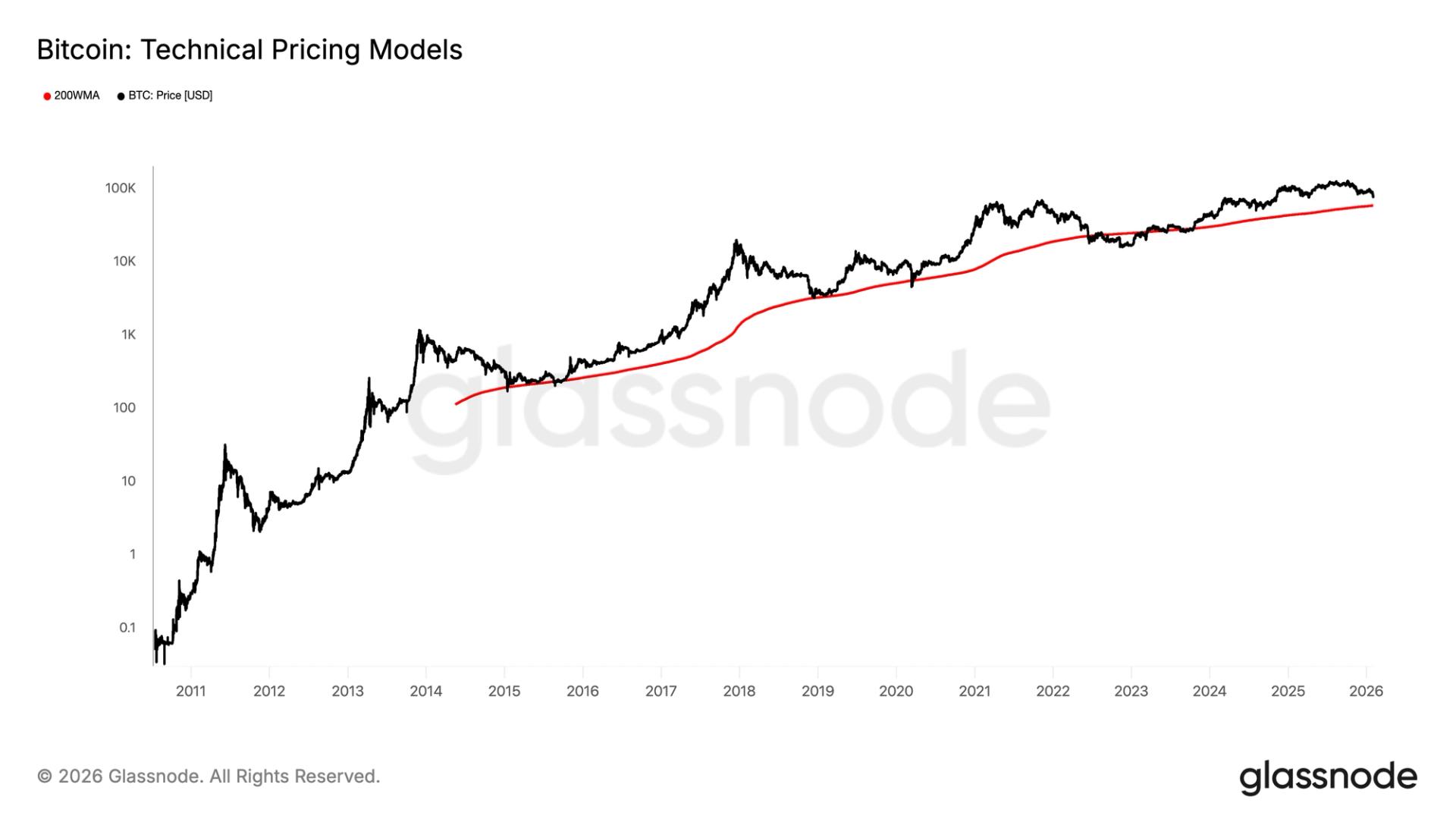
Why a $58,000 bitcoin is the key number for crypto investors right now
Copy linkX (Twitter)LinkedInFacebookEmail
Virtune AB (Publ) (“Virtune”) has completed the monthly rebalancing for January 2026 of its Virtune Crypto Altcoin Index ETP
