

Bitcoin spot ETFs saw a total net inflow of $562 million yesterday, reversing a four-day streak of net outflows.
PANews reported on February 3 that, according to SoSoValue data, Bitcoin spot ETFs saw a total net inflow of $562 million yesterday (February 2, Eastern Time).
The Bitcoin spot ETF with the largest single-day net inflow yesterday was the Fidelity ETF FBTC, with a single-day net inflow of $153 million. The current total historical net inflow of FBTC is $11.427 billion.

The second largest inflow was into the BlackRock ETF IBIT, with a net inflow of $142 million in a single day. IBIT's total historical net inflow has reached $62.098 billion.
As of press time, the total net asset value of Bitcoin spot ETFs was $100.377 billion, with an ETF net asset ratio (market capitalization as a percentage of Bitcoin's total market capitalization) of 6.44%, and a historical cumulative net inflow of $55.569 billion.


You May Also Like
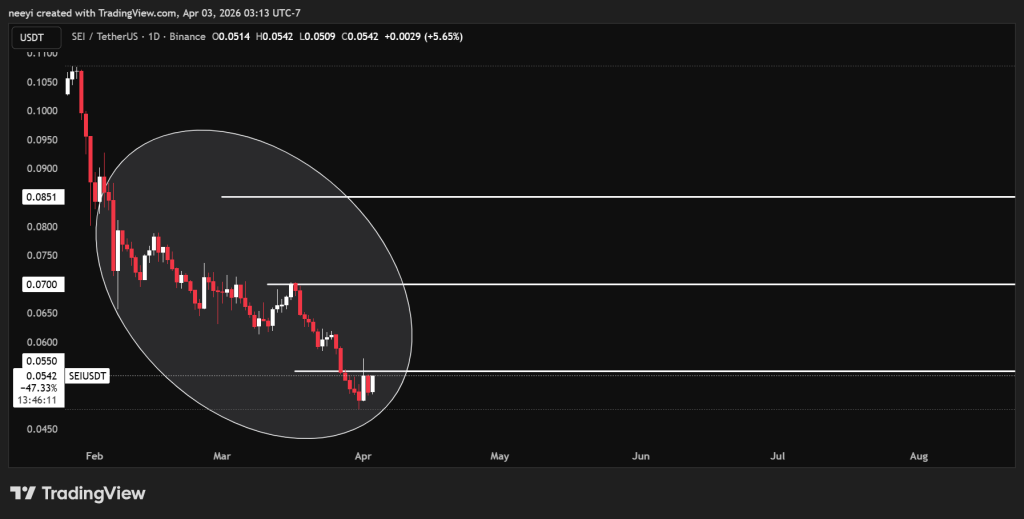
SEI Price Continues Lower: Can the Giga Upgrade Trigger a Full Reversal?

Bitcoin ETFs Surge with 20,685 BTC Inflows, Marking Strongest Week




