

NFT Marketplaces To Watch: Top Platforms In 2026
Why NFT Marketplaces Still Matter
As the NFT space evolves, the spotlight is shifting from flashy collectibles to platforms that offer real utility and innovative user experiences. Marketplace infrastructure remains the backbone of how NFTs are created, traded, governed, and monetized all key to the ecosystem’s long term viability.
From Hype to Utility
In the early days, NFTs drew attention primarily through digital art and speculative hype. By 2026, that landscape has matured. NFT marketplaces are now embracing utility focused models that prioritize functionality over flair.
Key trends shaping this shift include:
Utility first design: Platforms are focusing on NFTs with built in functionality, such as granting access, delivering ongoing benefits, or enabling in game actions.
Creator economy tools: Marketplaces now offer built in options for royalty enforcement, governance, and membership perks.
No code tools: Smart contract customization is becoming accessible to creators without technical expertise.
New Use Cases Are Taking Center Stage
NFTs have moved far beyond digital artworks. Today’s marketplaces support a growing range of asset types:
Gaming assets: From skins to weapons, NFTs are redefining digital property in blockchain based and traditional gaming ecosystems.
Domain names: Decentralized domain services are gaining traction, and NFT marketplaces act as the primary trading hubs.
Music rights: Artists are leveraging NFTs to tokenize streaming royalties and provide fans direct ownership stakes.
Event tickets & subscriptions: NFTs are increasingly used as passes for real and virtual events, enabled by marketplaces that facilitate transferability and access rights.
The result? NFT marketplaces are no longer just the storefronts they’re full featured platforms powering the next generation of decentralized ownership.
Features That Define a Leading Platform in 2026
The NFT space isn’t just about who has the most users or flashiest drops. In 2026, the real winners are the marketplaces that get the tech and the creators right.
First, cross chain support is non negotiable. Creators and buyers want flexibility, and platforms like Ethereum, Polygon, and Solana are just the start. The platforms that matter now offer smooth interoperability, letting users move assets without getting stuck in blockchain silos.
Next up: smart contract customization. There’s no longer a need to write code to mint intelligently. The best platforms offer drag and drop tools or modular templates that let creators build royalties, unlockable content, and access controls straight into their NFTs no Solidity required.
Then there’s royalties. In a market where fee undercutting became a problem, proper enforcement tools are back in focus. Leading platforms now give creators governance options setting royalty terms and ensuring they stick, even in secondary markets.
And finally, fiat on ramps. The platforms pushing adoption forward are the ones letting everyday users pay with a card or bank account. No wallets, no crypto hurdles just frictionless entry into NFTs. That’s how the next 100 million users show up.
Marketplaces Leading the Pack
In 2026, a handful of NFT marketplaces are pulling ahead not just on volume, but on experience. Blur, once the upstart, now dominates the trader crowd with low fees and a lightning fast interface. OpenSea is trying to reclaim relevance, leaning into multi chain support and improving its creator tools. SuperRare and Foundation hold firm in the curated corner, offering higher curation standards and more loyal collector bases, though with slower scaling.
Gas fees are still a sticking point, but platforms are adapting. Polygon powered marketplaces like Zora and Mintify are rising because they keep minting costs near zero without sacrificing visibility. Several Solana native platforms have redesigned their UX to put creators first with easier drop tools, fairer royalties, and tighter community dashboards.
The other key split is philosophy: curated vs. open. Open platforms offer reach, speed, and volume. But curated platforms foster slower, more intentional collecting and tighter creator collector relationships. Some hybrid models are emerging, but most marketplaces still pick a lane.
Community engagement is a make or break factor. Marketplaces that baked in social tools, like token gated chats and supporter only updates, are seeing more creator retention. The platforms winning in ’26 aren’t just selling they’re helping creators build worlds.
Want more intel? Dive deeper in our exploration of top NFT platforms.
Decentralization Gets Real
Decentralized autonomous organizations (DAOs) are finally stepping into the driver’s seat when it comes to NFT marketplaces. It’s not just branding anymore more platforms are owned and operated by their communities, not corporations. Decisions about fees, features, and even what gets listed are now being put to a vote. This is changing how marketplaces evolve, and who benefits.
At the same time, open source protocols are gaining serious momentum. Developers are unbundling the marketplace layer turning it into permissionless tools anyone can build on, remix, or fork. Instead of closed ecosystems, we’re getting NFT rails that anyone can deploy. For creators, this means fewer intermediaries. For buyers, more transparency around how transactions work.
This shift is huge for creators who’ve often had to swallow abrupt royalty cuts or deal with algorithmic black boxes. With more control and visibility, artists and developers can align incentives around long term value not just bottom line extraction. Intellectual property stays closer to the people who created it, and communities get a voice that actually counts.
Decentralized models aren’t flawless. Governance fatigue and low voter participation are real. But in 2026, the move toward DAOs and open protocols looks less like an experiment and more like the future of sustainable, creator led digital economies.
Monetization & Interoperability
The conversation around royalty fees has shifted. Creators pushed back when platforms started undercutting earnings on secondary sales, and now, royalty enforcement is making a comeback only smarter. Innovative NFT marketplaces are experimenting with on chain enforcement tools, structured payouts, and customizable fee splits that don’t collapse under third party pressure. It’s less about max profit on Day One, more about sustainable revenue over the long haul.
But monetization isn’t stopping there. Utility is the new flex. NFTs are being built with baked in perks season passes to content, exclusive live chat access, digital merch unlocks, even IRL ticketing. The token is no longer just a receipt; it’s a key. For vloggers, musicians, educators, and streamers, this turns one time buyers into long term members without having to rely on web2 style subscriptions.
The final layer? Interoperability. Leading platforms aren’t staying siloed. Assets that can move across chains think Ethereum to Solana to Polygon are becoming table stakes. Smart marketplaces are focused on seamless experiences across wallets and protocols, making NFTs portable, flexible, and far more valuable in a constantly morphing digital world. It’s not just about owning the token; it’s about using it anywhere you go.
What to Watch Moving Forward
2026 won’t be about flashy drops or profile pic collections it’s about survival, adaptation, and low friction integration. Regulatory pressure is now a serious force. Around the globe, governments are tightening compliance guidelines, from KYC rules to royalty enforcement and classification of digital assets. NFT marketplaces are shifting from hands off platforms to tighter, more regulated environments. Those that can’t keep up risk shutdowns or massive user drops.
Meanwhile, a quiet evolution is happening behind the scenes: NFTs are going invisible. That doesn’t mean they’re disappearing just the opposite. From gaming skins to event passes, NFTs are becoming the tech layer under standard user experiences. Apps won’t advertise every token they’ll just use them. Ownership will be seamless, embedded, and mostly backgrounded. This is good for adoption. Most users don’t care what chain an item’s on they just want it to work.
Also worth watching: the growing web of strategic alliances. Top NFT marketplaces are partnering with decentralized social media protocols and Web3 game developers. These connections are linking audiences, assets, and economies in new ways. Shared wallets. Interoperable avatars. Portable identities. The NFT story is no longer about standalone platforms it’s about ecosystems that talk to each other.
For a full breakdown on who’s leading the charge, stay updated with the top NFT platforms at the forefront of this shift.


You May Also Like

Standard Chartered to Cut 7,000+ Jobs by 2030 as AI Adoption Accelerates
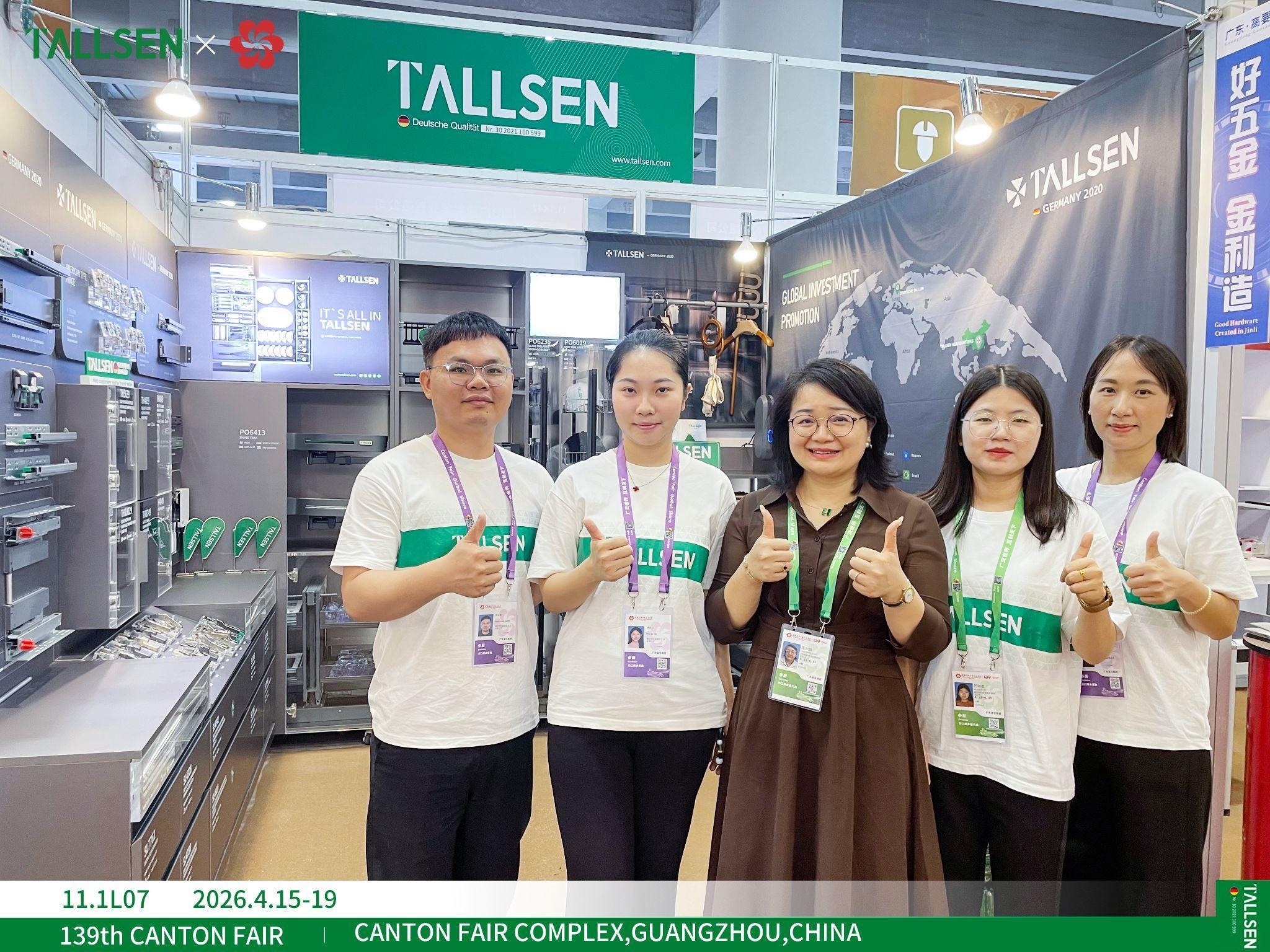
TALLSEN Showcases Advanced Hardware and Storage Solutions at The 139th China Import and Export Fair 2026




