Two Estonian nationals avoided additional prison time for orchestrating one of crypto’s largest Ponzi schemes (HashFlare) after receiving sentences matching the 16 months they already served in custody. Sergei Potapenko and Ivan Turõgin, both 40, were sentenced by U.S. District Judge Robert S. Lasnik for their roles in the $577 million HashFlare fraud that victimized hundreds of thousands of investors worldwide between 2015 and 2019. U.S. District Judge Robert S. Lasnik ordered each defendant to pay $25,000 in fines and to complete 360 hours of community service during their supervised release in Estonia. The sentencing incorporated forfeiture of over $450 million in seized assets for victim compensation, while prosecutors sought ten-year prison terms and are considering an appeal. Sergei Potapenko and Ivan Turõgin (Source: Postimees ) The $577 Million Mining Mirage HashFlare marketed itself as a crypto mining service selling contracts that promised customers shares of profits from blockchain validation activities. Court documents revealed the operation used fake online dashboards showing false mining activity while lacking the computing capacity to mine the vast majority of the claimed cryptocurrency. The duo’s equipment performed Bitcoin mining at less than one percent of its purported computing power, according to the Justice Department’s official press release . When investors requested withdrawals, Potapenko and Turõgin either resisted payments or used newly purchased cryptocurrency rather than actual mining rewards. The defendants diverted millions to purchase real estate, luxury vehicles, expensive jewelry, and over a dozen chartered private jet trips while victims suffered major losses. Their scheme extended beyond HashFlare to include Polybius Bank, a fictitious “virtual currency bank” that raised $25 million through a 2017 ICO but never operated as an actual financial institution. The 2023 arrests triggered complex extradition proceedings before Estonia approved their transfer to face U.S. charges in early 2024. Both men pleaded guilty to conspiracy to commit wire fraud in February , agreeing to forfeit over $400 million in assets while facing a maximum 20-year sentence. ⚠️Two Estonian nationals pleaded guilty in the US to operating “a massive, multi-faceted crypto Ponzi scheme that victimized hundreds of thousands of people” globally. #Crypto #CryptoScam #Fraud https://t.co/86BnJd3fj9 — Cryptonews.com (@cryptonews) February 14, 2025 “These defendants were operating a classic Ponzi scheme, involving a glitzy asset: a mirage of cryptocurrency mining,” said Acting U.S. Attorney Teal Luthy Miller. Lenient Sentences Defy Emerging Pattern of Harsh Crypto Penalties The HashFlare defendants’ 16-month sentences appear inconsistent with an intensifying judicial trend toward severe punishment for cryptocurrency crimes, regardless of a scheme’s size or complexity. For instance, Nicholas Truglia’s sentence jumped from 18 months to 12 years for a $22 million SIM-swapping scheme after he failed to pay restitution, with the judge condemning his “splendor” lifestyle while owing victims millions. Similarly, former rugby player Shane Moore was sentenced to 30 months for a $900,000 mining fraud, receiving nearly double the HashFlare defendants’ custody time for a scheme worth less than 0.2% of their operation. The sentencing disparity becomes more pronounced when compared with non-crypto financial fraud cases, where defendants typically receive years-long sentences for schemes involving far smaller amounts than HashFlare’s half-billion-dollar operation. Mohammed Azharuddin Chhipa received 30 years for funneling $185,000 in cryptocurrency to ISIS operatives, a sentence nearly twenty times longer than HashFlare’s founders despite involving vastly smaller amounts. The contrast also extends beyond specific cases to prosecutorial approach, with Dwayne Golden receiving eight years for a $40 million Ponzi scheme and prosecutors seeking 20 years for former Celsius CEO Alex Mashinsky in a $550 million fraud case. ⚖️ Celsius founder Alex Mashinsky was sentenced to 12 years in prison for defrauding investors with false promises of high crypto returns. #Celsius #AlexMashinsky https://t.co/R4syyDiKaU — Cryptonews.com (@cryptonews) May 9, 2025 Legal experts question whether the defendants’ cooperation, asset forfeiture, or other undisclosed factors influenced the unusually lenient outcome for such a massive international fraud. However, the Justice Department’s consideration of an appeal suggests internal disagreement with the sentence’s proportionality, though appeals of criminal sentences face high legal hurdles and uncertain outcomes.Two Estonian nationals avoided additional prison time for orchestrating one of crypto’s largest Ponzi schemes (HashFlare) after receiving sentences matching the 16 months they already served in custody. Sergei Potapenko and Ivan Turõgin, both 40, were sentenced by U.S. District Judge Robert S. Lasnik for their roles in the $577 million HashFlare fraud that victimized hundreds of thousands of investors worldwide between 2015 and 2019. U.S. District Judge Robert S. Lasnik ordered each defendant to pay $25,000 in fines and to complete 360 hours of community service during their supervised release in Estonia. The sentencing incorporated forfeiture of over $450 million in seized assets for victim compensation, while prosecutors sought ten-year prison terms and are considering an appeal. Sergei Potapenko and Ivan Turõgin (Source: Postimees ) The $577 Million Mining Mirage HashFlare marketed itself as a crypto mining service selling contracts that promised customers shares of profits from blockchain validation activities. Court documents revealed the operation used fake online dashboards showing false mining activity while lacking the computing capacity to mine the vast majority of the claimed cryptocurrency. The duo’s equipment performed Bitcoin mining at less than one percent of its purported computing power, according to the Justice Department’s official press release . When investors requested withdrawals, Potapenko and Turõgin either resisted payments or used newly purchased cryptocurrency rather than actual mining rewards. The defendants diverted millions to purchase real estate, luxury vehicles, expensive jewelry, and over a dozen chartered private jet trips while victims suffered major losses. Their scheme extended beyond HashFlare to include Polybius Bank, a fictitious “virtual currency bank” that raised $25 million through a 2017 ICO but never operated as an actual financial institution. The 2023 arrests triggered complex extradition proceedings before Estonia approved their transfer to face U.S. charges in early 2024. Both men pleaded guilty to conspiracy to commit wire fraud in February , agreeing to forfeit over $400 million in assets while facing a maximum 20-year sentence. ⚠️Two Estonian nationals pleaded guilty in the US to operating “a massive, multi-faceted crypto Ponzi scheme that victimized hundreds of thousands of people” globally. #Crypto #CryptoScam #Fraud https://t.co/86BnJd3fj9 — Cryptonews.com (@cryptonews) February 14, 2025 “These defendants were operating a classic Ponzi scheme, involving a glitzy asset: a mirage of cryptocurrency mining,” said Acting U.S. Attorney Teal Luthy Miller. Lenient Sentences Defy Emerging Pattern of Harsh Crypto Penalties The HashFlare defendants’ 16-month sentences appear inconsistent with an intensifying judicial trend toward severe punishment for cryptocurrency crimes, regardless of a scheme’s size or complexity. For instance, Nicholas Truglia’s sentence jumped from 18 months to 12 years for a $22 million SIM-swapping scheme after he failed to pay restitution, with the judge condemning his “splendor” lifestyle while owing victims millions. Similarly, former rugby player Shane Moore was sentenced to 30 months for a $900,000 mining fraud, receiving nearly double the HashFlare defendants’ custody time for a scheme worth less than 0.2% of their operation. The sentencing disparity becomes more pronounced when compared with non-crypto financial fraud cases, where defendants typically receive years-long sentences for schemes involving far smaller amounts than HashFlare’s half-billion-dollar operation. Mohammed Azharuddin Chhipa received 30 years for funneling $185,000 in cryptocurrency to ISIS operatives, a sentence nearly twenty times longer than HashFlare’s founders despite involving vastly smaller amounts. The contrast also extends beyond specific cases to prosecutorial approach, with Dwayne Golden receiving eight years for a $40 million Ponzi scheme and prosecutors seeking 20 years for former Celsius CEO Alex Mashinsky in a $550 million fraud case. ⚖️ Celsius founder Alex Mashinsky was sentenced to 12 years in prison for defrauding investors with false promises of high crypto returns. #Celsius #AlexMashinsky https://t.co/R4syyDiKaU — Cryptonews.com (@cryptonews) May 9, 2025 Legal experts question whether the defendants’ cooperation, asset forfeiture, or other undisclosed factors influenced the unusually lenient outcome for such a massive international fraud. However, the Justice Department’s consideration of an appeal suggests internal disagreement with the sentence’s proportionality, though appeals of criminal sentences face high legal hurdles and uncertain outcomes.

HashFlare Ponzi Founders Get Time Served for $577M Crypto Scheme, Escape Additional Jail

Two Estonian nationals avoided additional prison time for orchestrating one of crypto’s largest Ponzi schemes (HashFlare) after receiving sentences matching the 16 months they already served in custody.

Sergei Potapenko and Ivan Turõgin, both 40, were sentenced by U.S. District Judge Robert S. Lasnik for their roles in the $577 million HashFlare fraud that victimized hundreds of thousands of investors worldwide between 2015 and 2019.

U.S. District Judge Robert S. Lasnik ordered each defendant to pay $25,000 in fines and to complete 360 hours of community service during their supervised release in Estonia.

The sentencing incorporated forfeiture of over $450 million in seized assets for victim compensation, while prosecutors sought ten-year prison terms and are considering an appeal.
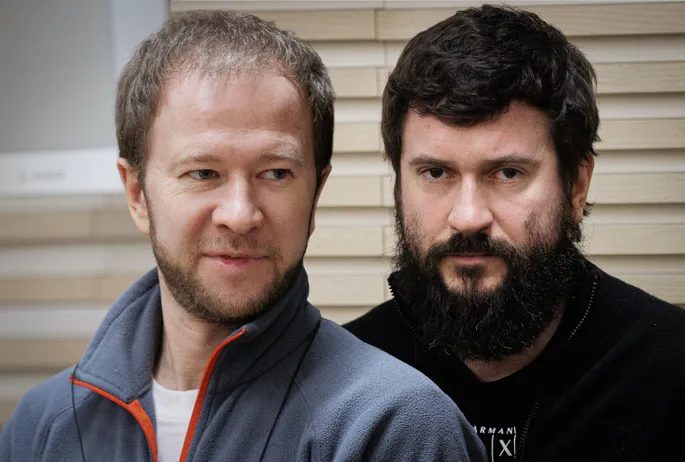
HashFlare Ponzi Founders Get Time Served for $577M Crypto Scheme, Escape Additional JailSergei Potapenko and Ivan Turõgin (Source: Postimees)

The $577 Million Mining Mirage

HashFlare marketed itself as a crypto mining service selling contracts that promised customers shares of profits from blockchain validation activities. Court documents revealed the operation used fake online dashboards showing false mining activity while lacking the computing capacity to mine the vast majority of the claimed cryptocurrency.

The duo’s equipment performed Bitcoin mining at less than one percent of its purported computing power, according to the Justice Department’s official press release.

When investors requested withdrawals, Potapenko and Turõgin either resisted payments or used newly purchased cryptocurrency rather than actual mining rewards.

The defendants diverted millions to purchase real estate, luxury vehicles, expensive jewelry, and over a dozen chartered private jet trips while victims suffered major losses.

Their scheme extended beyond HashFlare to include Polybius Bank, a fictitious “virtual currency bank” that raised $25 million through a 2017 ICO but never operated as an actual financial institution.

The 2023 arrests triggered complex extradition proceedings before Estonia approved their transfer to face U.S. charges in early 2024.

Both men pleaded guilty to conspiracy to commit wire fraud in February, agreeing to forfeit over $400 million in assets while facing a maximum 20-year sentence.

“These defendants were operating a classic Ponzi scheme, involving a glitzy asset: a mirage of cryptocurrency mining,” said Acting U.S. Attorney Teal Luthy Miller.

Lenient Sentences Defy Emerging Pattern of Harsh Crypto Penalties

The HashFlare defendants’ 16-month sentences appear inconsistent with an intensifying judicial trend toward severe punishment for cryptocurrency crimes, regardless of a scheme’s size or complexity.

For instance, Nicholas Truglia’s sentence jumped from 18 months to 12 years for a $22 million SIM-swapping scheme after he failed to pay restitution, with the judge condemning his “splendor” lifestyle while owing victims millions.

Similarly, former rugby player Shane Moore was sentenced to 30 months for a $900,000 mining fraud, receiving nearly double the HashFlare defendants’ custody time for a scheme worth less than 0.2% of their operation.

The sentencing disparity becomes more pronounced when compared with non-crypto financial fraud cases, where defendants typically receive years-long sentences for schemes involving far smaller amounts than HashFlare’s half-billion-dollar operation.

Mohammed Azharuddin Chhipa received 30 years for funneling $185,000 in cryptocurrency to ISIS operatives, a sentence nearly twenty times longer than HashFlare’s founders despite involving vastly smaller amounts.

The contrast also extends beyond specific cases to prosecutorial approach, with Dwayne Golden receiving eight years for a $40 million Ponzi scheme and prosecutors seeking 20 years for former Celsius CEO Alex Mashinsky in a $550 million fraud case.

Legal experts question whether the defendants’ cooperation, asset forfeiture, or other undisclosed factors influenced the unusually lenient outcome for such a massive international fraud.

However, the Justice Department’s consideration of an appeal suggests internal disagreement with the sentence’s proportionality, though appeals of criminal sentences face high legal hurdles and uncertain outcomes.


Market Opportunity
Threshold Logo
Threshold Price(T)
$0.00939
$0.00939$0.00939
-0.63%
USD
Threshold (T) Live Price Chart
Disclaimer: The articles reposted on this site are sourced from public platforms and are provided for informational purposes only. They do not necessarily reflect the views of MEXC. All rights remain with the original authors. If you believe any content infringes on third-party rights, please contact service@support.mexc.com for removal. MEXC makes no guarantees regarding the accuracy, completeness, or timeliness of the content and is not responsible for any actions taken based on the information provided. The content does not constitute financial, legal, or other professional advice, nor should it be considered a recommendation or endorsement by MEXC.

You May Also Like

Visa Expands USDC Stablecoin Settlement For US Banks

Visa Expands USDC Stablecoin Settlement For US Banks

The post Visa Expands USDC Stablecoin Settlement For US Banks appeared on BitcoinEthereumNews.com. Visa Expands USDC Stablecoin Settlement For US Banks
Share
BitcoinEthereumNews2025/12/17 15:23
Nasdaq Company Adds 7,500 BTC in Bold Treasury Move

Nasdaq Company Adds 7,500 BTC in Bold Treasury Move

The live-streaming and e-commerce company has struck a deal to acquire 7,500 BTC, instantly becoming one of the largest public […] The post Nasdaq Company Adds 7,500 BTC in Bold Treasury Move appeared first on Coindoo.
Share
Coindoo2025/09/18 02:15
Curve Finance votes on revenue-sharing model for CRV holders

Curve Finance votes on revenue-sharing model for CRV holders

The post Curve Finance votes on revenue-sharing model for CRV holders appeared on BitcoinEthereumNews.com. Curve Finance has proposed a new protocol called Yield Basis that would share revenue directly with CRV holders, marking a shift from one-off incentives to sustainable income. Summary Curve Finance has put forward a revenue-sharing protocol to give CRV holders sustainable income beyond emissions and fees. The plan would mint $60M in crvUSD to seed three Bitcoin liquidity pools (WBTC, cbBTC, tBTC), with 35–65% of revenue distributed to veCRV stakers. The DAO vote runs from up to Sept. 24, with the proposal seen as a major step to strengthen CRV tokenomics after past liquidity and governance challenges. Curve Finance founder Michael Egorov has introduced a proposal to give CRV token holders a more direct way to earn income, launching a system called Yield Basis that aims to turn the governance token into a sustainable, yield-bearing asset.  The proposal has been published on the Curve DAO (CRV) governance forum, with voting open until Sept. 24. A new model for CRV rewards Yield Basis is designed to distribute transparent and consistent returns to CRV holders who lock their tokens for veCRV governance rights. Unlike past incentive programs, which relied heavily on airdrops and emissions, the protocol channels income from Bitcoin-focused liquidity pools directly back to token holders. To start, Curve would mint $60 million worth of crvUSD, its over-collateralized stablecoin, with proceeds allocated across three pools — WBTC, cbBTC, and tBTC — each capped at $10 million. 25% of Yield Basis tokens would be reserved for the Curve ecosystem, and between 35% and 65% of Yield Basis’s revenue would be given to veCRV holders. By emphasizing Bitcoin (BTC) liquidity and offering yields without the short-term loss risks associated with automated market makers, the protocol hopes to draw in professional traders and institutions. Context and potential impact on Curve Finance The proposal comes as Curve continues to modify…
Share
BitcoinEthereumNews2025/09/18 14:37