Tether Scales Operations With New Hiring and Investment Push
USDT profits are funding Tether’s expansion into new sectors while concerns over governance and control persist.
Tether is entering a new phase as it uses growing profits to expand its role in crypto markets. Once known mainly for issuing USDT, the company is now building a wide investment portfolio and adding staff across several regions. Leadership says the goal is to support freedom and independence through technology.
Tether Seeks New Growth Paths as Stablecoin Market Tightens
For years, Tether operated quietly with a small leadership team managing USDT, a token now valued at roughly $185 billion. The stablecoin bridges the gap between digital assets and the US dollar.
Although Tether is officially registered in El Salvador, much of its day-to-day operations still occur in Switzerland. Strong profits from USDT operations have left the company with significant cash.
As a result, Tether now owns stakes in around 140 businesses and projects. These range from farming companies to a holding in Italian football club Juventus, as well as interests in robotics, satellites, artificial intelligence, and media.
At the same time, the firm has been adding staff at a fast pace. Tether has about 300 employees and aims to bring in another 150 over the next 18 months. Many roles focus on engineering, but others show plans beyond crypto.
Open positions include AI filmmaker roles in Italy, investment roles in the UAE, and regulatory jobs in Ghana and Brazil. These hires suggest Tether wants to build a larger and more permanent organization.
Chief executive Paolo Ardoino shared Tether’s broader vision during a company conference held in San Salvador. He said many global systems no longer serve everyday people and used images to underline that point.
Ardoino explained that Tether aims to build tools for money, communication, data, and energy that allow users to deal directly with one another. In his view, large tech companies with centralized control limit individual freedom.
Still, market participants remain unconvinced by that message. USDT is firmly controlled by Tether, with major decisions made by a small circle of senior executives. As such, analysts question whether the company’s talk of freedom is genuine or merely promotional.
Observers noted that business pressure could be the reason behind Tether’s moves. As more stablecoins enter the market, competition is rising and profit margins may narrow over time. Moving into other businesses could help reduce pressure on USDT alone.
Stablecoin Oversight Intensifies as Tether Pushes for U.S. Growth
Even with rapid expansion, Tether continues to face doubts about its earlier operations. The company built a reputation for limited disclosure and limited transparency. At the San Salvador conference, staff wore badges showing only first names. Employees say internal teams often operate with little insight into one another’s work.
On the other hand, management has started to tighten internal structure. A small group in London now handles finance and operations under a new chief financial officer, Simon McWilliams.
Executives emphasize profit tracking and discipline, though staff visibility across departments remains limited. Moreover, in-person meetings at overseas events remain one of the few chances for teams to connect.
Furthermore, questions were raised about the firm’s location decisions. Tether moved its headquarters to El Salvador last year after operating through several offshore locations.
President Nayib Bukele supports crypto companies and promotes the country as a welcoming place for them. That support has made El Salvador an attractive base for Tether’s operations.
Rival firm Circle has taken a more traditional path, running operations from New York and listing its shares in the U.S. That contrast has drawn attention to how Tether manages regulation and accountability.
Tether still aims to expand its operations in the United States but progress has been difficult. Some investors pushed back against plans for a funding round that would value the company between $15 billion and $20 billion.
Additionally, regulatory authorities continue to closely monitor stablecoin activity. Stablecoins have drawn attention for use in sanctioned transactions and fraud. Reports show a large share of illicit stablecoin flows involve USDT.
Billions in Annual Returns Give Tether Growing Financial Clout
In 2021, Tether settled with U.S. authorities over claims that it misrepresented its reserve backing. Since then, the company has shared quarterly reserve reports from the accounting firm BDO Italia, though a full audit has not been conducted.
Credit analysts continue to question reserve composition, including exposure to bitcoin and gold. Tether rejects those concerns and points to growing holdings of U.S. government debt.
Investment income from reserve assets generates tens of billions of dollars each year and has fueled Tether’s expansion. Those funds support bitcoin mining software, AI systems, and media ventures, including a large stake in Rumble. Political ties have become more visible through these investments.
Supporters argue USDT helps people in countries with weak local currencies, such as Venezuela. Critics further counter that Tether’s influence now extends far beyond simple payments. As one industry observer noted, Tether increasingly behaves like a private monetary authority.
The post Tether Scales Operations With New Hiring and Investment Push appeared first on Live Bitcoin News.


You May Also Like

PMI-ACP Exam Preparation: How to Use a Simulator and Practice Questions Effectively
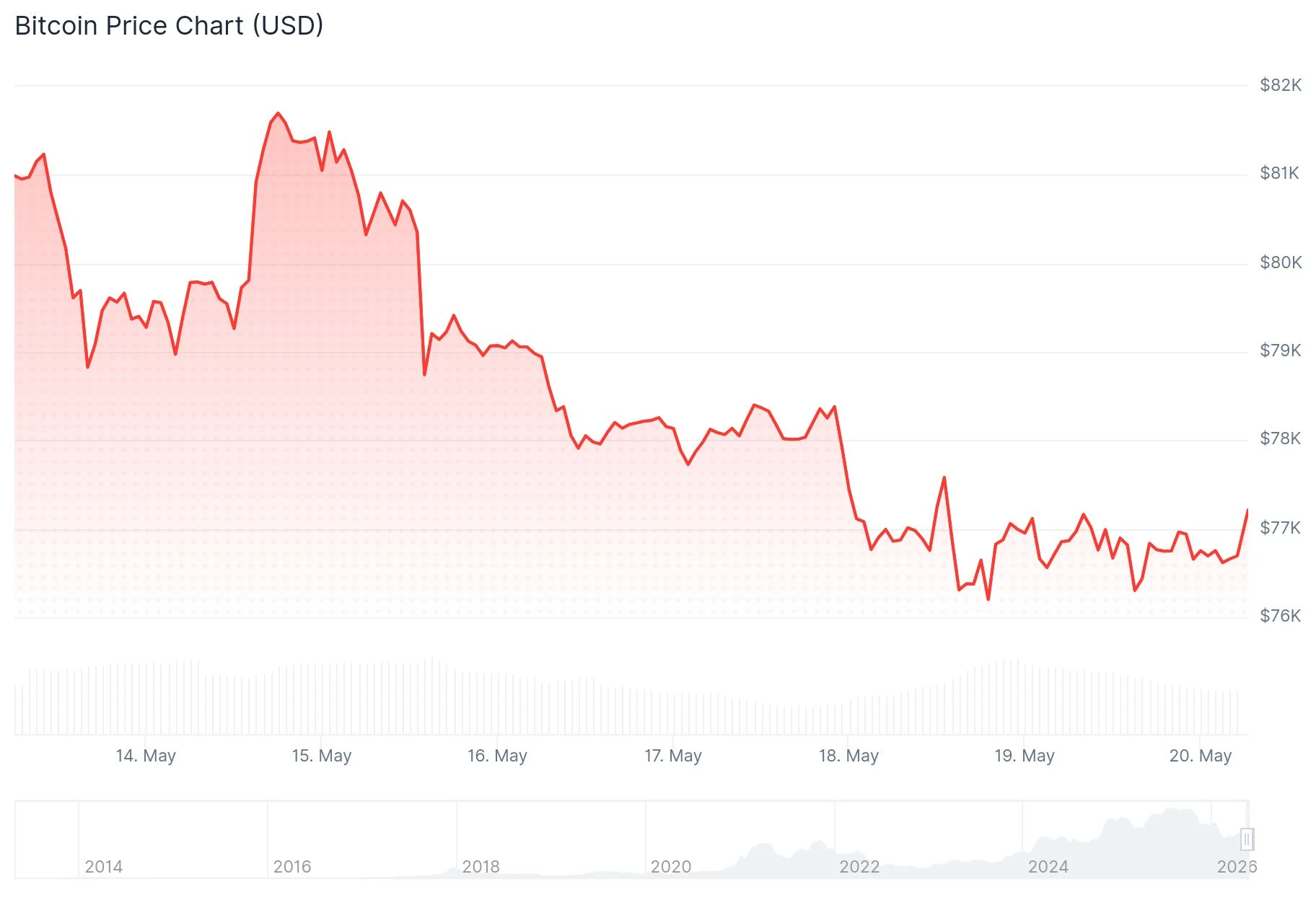
Bitcoin (BTC) Hovers Above $77K Amid Iran Diplomacy and Rising Treasury Yields