EX360‑AIRR: A Framework for Autonomous AI Risk Governance & Compliance
Abstract
As artificial intelligence systems proliferate within enterprise operations, traditional risk registers and governance workflows struggle to address evolving AI‑specific risks such as drift, bias, security exposure, and regulatory uncertainty. This article presents EX360‑AIRR, a vendor‑neutral governance framework designed to centralize AI risk identification, scoring, approval, and mitigation tracking. By combining structured workflows with lifecycle transparency, the framework supports responsible AI adoption and continuous oversight.
1. Introduction and Problem Statement
Organizations adopting AI systems face unique categories of risks that traditional governance models were not designed to manage. Issues such as algorithmic bias, unstable model behavior, unclear accountability, and growing regulatory demands require structured oversight. Without a centralized approach, AI risks may go unmanaged until they create operational, ethical, or compliance failures.
2. Solution Overview: EX360‑AIRR
EX360‑AIRR introduces a structured, auditable governance model for AI systems. It consolidates AI risks, automates scoring, enables human approvals, and generates mitigation tasks for accountable teams. Every risk progresses through a traceable lifecycle—from identification to closure—with full documentation available for internal and regulatory review.
3. Architecture and Key Components
3.1 Central AI Risk Register
A dedicated repository captures all identified AI risks with attributes such as category, description, likelihood, impact, severity, owner, and remediation status. This creates a single source of truth for auditors, risk managers, and stakeholders.
3.2 Automated Scoring & Classification
Scoring logic computes severity levels based on standardized factors. Automated scoring reduces subjectivity while ensuring consistent evaluation across all recorded risks.
3.3 Governance & Approval Workflow
High‑severity risks flow through review and approval workflows requiring explicit human authorization. Reviewers can approve, reject, or request clarification. This maintains accountability and ensures responsible AI oversight.
3.4 Mitigation Action Generation
When a risk is approved, the system automatically creates mitigation tasks for assigned stakeholders. Tasks include deadlines, tracking fields, and closure verification, ensuring risks are actively resolved and not allowed to accumulate.
3.5 Lifecycle Traceability & Analytics
All actions—including approvals, comments, scoring changes, and mitigation updates—are logged for auditability. Dashboards provide real‑time insights into AI risk posture, outstanding mitigation tasks, and historical trends.
4. AI‑Specific Risk Domains
EX360‑AIRR focuses on governance for risks unique to AI systems, including:
- Algorithmic bias
• Model drift
• Security vulnerabilities
• Explainability gaps
• Compliance and regulatory exposure
5. Benefits of EX360‑AIRR
- Centralized visibility into AI risk
• Automated and explainable scoring
• Human‑in‑the‑loop controls
• Structured mitigation workflows
• Full auditability across the lifecycle
6. Conclusion
As enterprises adopt AI more widely, governance frameworks must evolve to support new categories of risk and ensure responsible deployment. EX360‑AIRR offers a transparent, structured, and scalable approach to AI risk governance, balancing automation with human oversight to strengthen compliance, ethics, and operational resilience.


You May Also Like

PMI-ACP Exam Preparation: How to Use a Simulator and Practice Questions Effectively
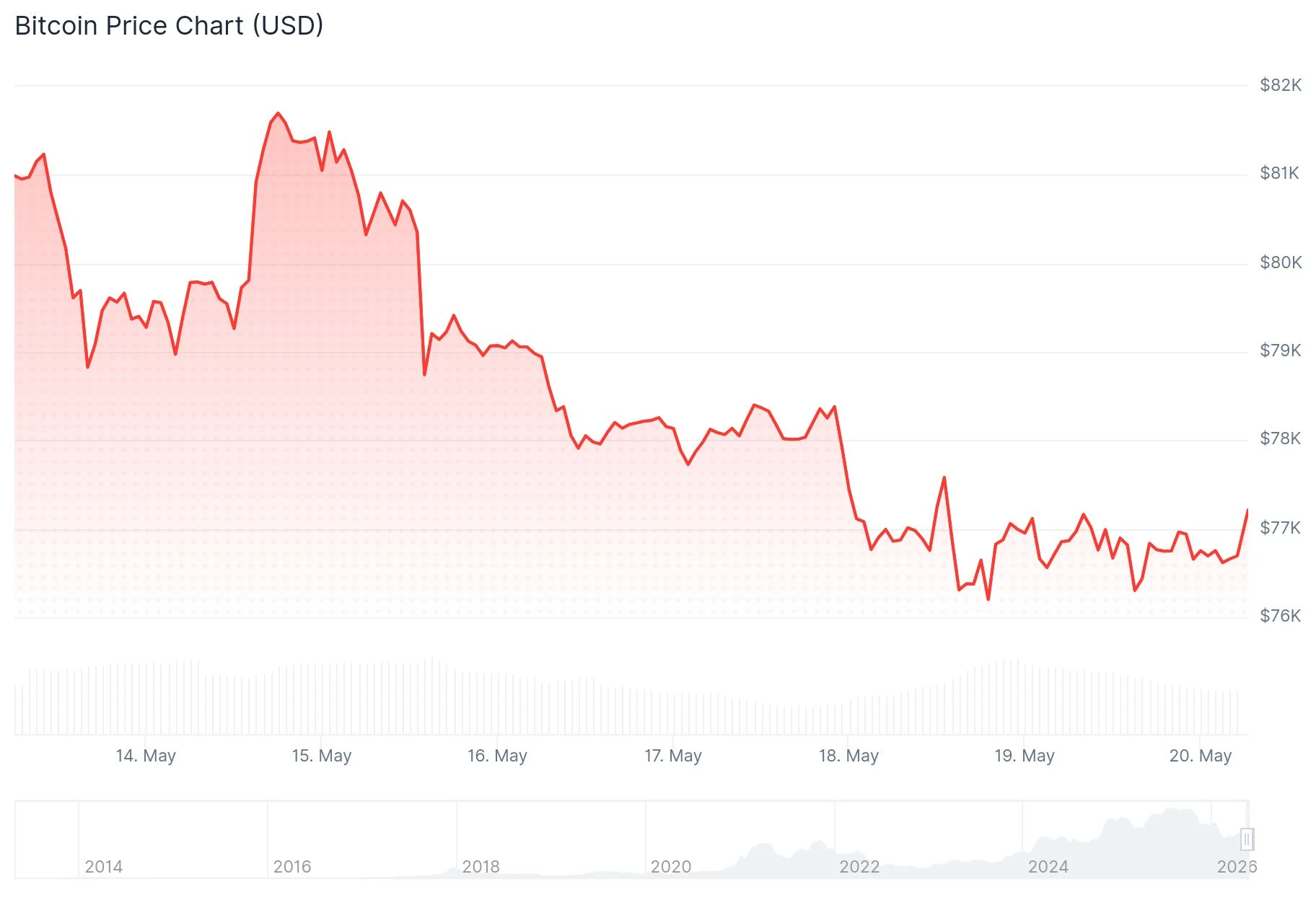
Bitcoin (BTC) Hovers Above $77K Amid Iran Diplomacy and Rising Treasury Yields