Crypto Proponent: This Ripple CEO’s Point Is Exactly Why XRP Was Built Differently
The clash between Silicon Valley ambition and the realities of global finance has shaped the modern crypto narrative for nearly a decade. Few episodes captured that tension more clearly than Facebook’s attempt to launch Libra.
The project promised to reinvent digital payments, but instead ignited worldwide scrutiny over regulation, trust, and control. Today, that debate continues to influence how institutions, governments, and blockchain companies approach financial innovation.
Crypto commentator John Squire recently revived a 2019 CNBC interview featuring Ripple CEO Brad Garlinghouse, bringing renewed focus to remarks that now appear notably forward-looking.
In the interview, Garlinghouse acknowledged that Libra created positive momentum by drawing global attention to blockchain’s potential to improve mainstream banking and consumer payment experiences. Yet he also warned that vision alone could not guarantee success in a system governed by compliance, institutional trust, and regulatory accountability.
Silicon Valley Speed Meets Financial Responsibility
Garlinghouse’s criticism focused on execution rather than ambition. He argued that Facebook approached Libra with what he described as “perhaps arrogance, maybe Silicon Valley arrogance,” moving aggressively without fully resolving concerns tied to money laundering, terrorism financing, and financial stability.
He stressed that any technology designed to operate within global finance must meet regulatory expectations before seeking mass adoption.
He also highlighted structural concerns in Libra’s early design, including the absence of traditional banking partners among its founding participants. That gap, in his view, revealed a misunderstanding of how deeply interconnected modern financial systems remain. Rather than replacing banks, he insisted that successful blockchain solutions must integrate with them.
Trust, Neutrality, and XRP’s Architecture
Garlinghouse’s broader argument centered on trust. Financial infrastructure depends on credibility, oversight, and cooperation among institutions. Companies that attempt to introduce new forms of money without establishing that foundation often encounter resistance from regulators and policymakers. Libra’s eventual collapse reinforced this reality and demonstrated the limits of unilateral disruption in sovereign finance.
Ripple pursued a different path. From its earliest strategy, the company emphasized regulatory compliance, partnerships with financial institutions, and infrastructure that enhances—rather than replaces—existing payment systems.
XRP’s role within that framework focused on liquidity, efficiency, and cross-border settlement, not monetary sovereignty. This neutrality shaped Ripple’s long-term positioning within institutional blockchain adoption.
Why the Debate Still Matters
The questions raised during Libra’s rise and fall remain unresolved. Technology firms continue to explore stablecoins, digital wallets, and payment networks that operate at a global scale. Governments, meanwhile, demand stronger safeguards and clearer accountability. The balance between innovation and regulation defines the future of digital finance.
Garlinghouse’s central message endures with striking clarity. Financial tech breakthroughs need more than just speed, size, or a big name to succeed. It must build trust, operate within regulatory frameworks, and deliver real-world utility. For many observers, that philosophy explains exactly why XRP was built differently—and why the lessons of Libra continue to shape crypto’s next chapter.
Disclaimer: This content is meant to inform and should not be considered financial advice. The views expressed in this article may include the author’s personal opinions and do not represent Times Tabloid’s opinion. Readers are urged to do in-depth research before making any investment decisions. Any action taken by the reader is strictly at their own risk. Times Tabloid is not responsible for any financial losses.
Follow us on Twitter, Facebook, Telegram, and Google News
The post Crypto Proponent: This Ripple CEO’s Point Is Exactly Why XRP Was Built Differently appeared first on Times Tabloid.


You May Also Like

PMI-ACP Exam Preparation: How to Use a Simulator and Practice Questions Effectively
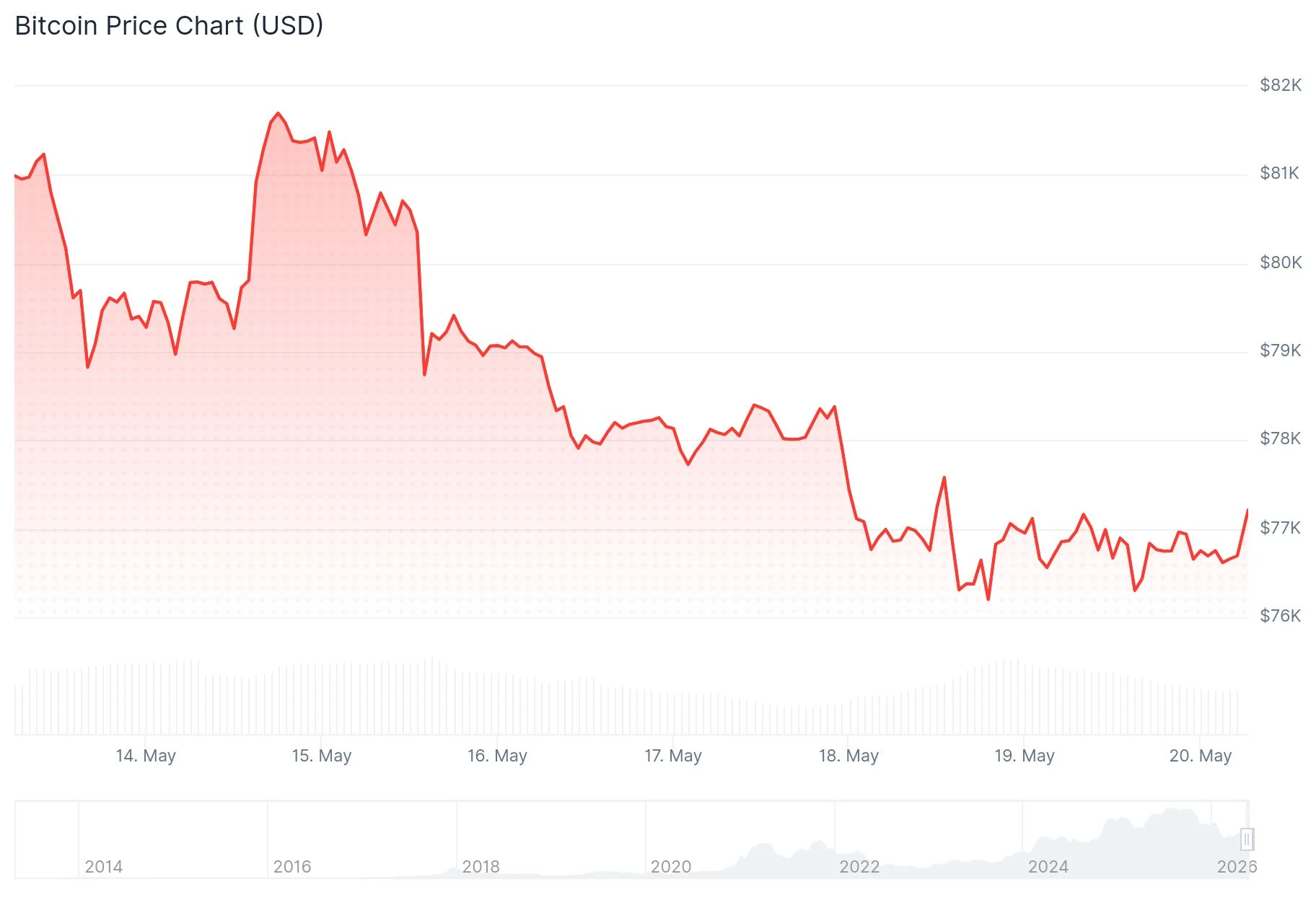
Bitcoin (BTC) Hovers Above $77K Amid Iran Diplomacy and Rising Treasury Yields