

XRP is one of the crypto assets with an extensive circulating supply, which continues to draw criticism from skeptics. In response, XRP proponents often advocate for measures that could reduce the available supply of XRP tokens, hoping this could positively influence its price. XRP Supply XRP is currently trading at $3.01, with a circulating supply of 59.14 billion tokens, giving it a market cap of approximately $179.28 billion. Meanwhile, it has a total supply of 99.98 billion tokens, with a fully diluted valuation of $301.47 billion. Originally, XRP had a maximum supply of 100 billion, but over 14.18 million tokens have been burned through transaction fees on the XRP Ledger. XRP supporters often cite this mechanism to argue that XRP follows a deflationary model. This argument is frequently used to counter concerns around Ripple’s escrow unlocks, which some critics believe introduce selling pressure by releasing "new" tokens into circulation. However, proponents argue that these tokens were already in circulation before being locked, so they don’t represent new supply. Reducing XRP Supply Meanwhile, the XRP community has frequently speculated about potential initiatives that could reduce the available supply. These discussions were widespread when XRP was significantly underperforming at around $0.50. Now that the token is trading above $3, such calls have vastly diminished. However, the broader argument of a potential supply shock remains a topic of discussion. One of the most widely discussed proposals is for Ripple to burn the 35.60 billion XRP it currently holds in escrow (worth over $106 billion). Advocates of this strategy believe it could help drive XRP's price higher. However, Ripple CTO David Schwartz has argued that burning the company’s escrowed tokens would be ineffective in increasing XRP’s price. Moreover, Ripple’s competitor Stellar took a similar approach by burning half of its supply, but this had little significant impact on the price of XLM. XRP Price If Supply Drops to 40B So, in a hypothetical scenario where Ripple and other major holders burn large portions of their XRP holdings, reducing the circulating supply to just 40 billion tokens, what could the price be? While there's no definitive answer, if the market cap remains at $179 billion, the price of XRP could theoretically rise to $4.48. Can This Happen? A price of $4.48 would represent a significant improvement over XRP’s current value of $3. It would also mark a new all-time high for the coin. However, this scenario is purely hypothetical. When tokens are burned, their valuations don't remain static—market cap typically adjusts. XRP’s price would only rise if the reduced supply is met with increased demand. Secondly, the path to reducing XRP’s circulating supply to 40 billion is improbable. The amount of XRP burned through transactions is minimal and largely ineffective. Despite 13 years of burns, the total supply still stands at 99.98 billion. Moreover, Ripple and other major XRP holders are unlikely to burn their tokens. Doing so would mean sacrificing substantial financial assets for a gamble that may not work out. For context, removing 60 billion XRP from the supply would mean wiping out $180 billion in value at today’s prices.XRP is one of the crypto assets with an extensive circulating supply, which continues to draw criticism from skeptics. In response, XRP proponents often advocate for measures that could reduce the available supply of XRP tokens, hoping this could positively influence its price. XRP Supply XRP is currently trading at $3.01, with a circulating supply of 59.14 billion tokens, giving it a market cap of approximately $179.28 billion. Meanwhile, it has a total supply of 99.98 billion tokens, with a fully diluted valuation of $301.47 billion. Originally, XRP had a maximum supply of 100 billion, but over 14.18 million tokens have been burned through transaction fees on the XRP Ledger. XRP supporters often cite this mechanism to argue that XRP follows a deflationary model. This argument is frequently used to counter concerns around Ripple’s escrow unlocks, which some critics believe introduce selling pressure by releasing "new" tokens into circulation. However, proponents argue that these tokens were already in circulation before being locked, so they don’t represent new supply. Reducing XRP Supply Meanwhile, the XRP community has frequently speculated about potential initiatives that could reduce the available supply. These discussions were widespread when XRP was significantly underperforming at around $0.50. Now that the token is trading above $3, such calls have vastly diminished. However, the broader argument of a potential supply shock remains a topic of discussion. One of the most widely discussed proposals is for Ripple to burn the 35.60 billion XRP it currently holds in escrow (worth over $106 billion). Advocates of this strategy believe it could help drive XRP's price higher. However, Ripple CTO David Schwartz has argued that burning the company’s escrowed tokens would be ineffective in increasing XRP’s price. Moreover, Ripple’s competitor Stellar took a similar approach by burning half of its supply, but this had little significant impact on the price of XLM. XRP Price If Supply Drops to 40B So, in a hypothetical scenario where Ripple and other major holders burn large portions of their XRP holdings, reducing the circulating supply to just 40 billion tokens, what could the price be? While there's no definitive answer, if the market cap remains at $179 billion, the price of XRP could theoretically rise to $4.48. Can This Happen? A price of $4.48 would represent a significant improvement over XRP’s current value of $3. It would also mark a new all-time high for the coin. However, this scenario is purely hypothetical. When tokens are burned, their valuations don't remain static—market cap typically adjusts. XRP’s price would only rise if the reduced supply is met with increased demand. Secondly, the path to reducing XRP’s circulating supply to 40 billion is improbable. The amount of XRP burned through transactions is minimal and largely ineffective. Despite 13 years of burns, the total supply still stands at 99.98 billion. Moreover, Ripple and other major XRP holders are unlikely to burn their tokens. Doing so would mean sacrificing substantial financial assets for a gamble that may not work out. For context, removing 60 billion XRP from the supply would mean wiping out $180 billion in value at today’s prices.
Here’s XRP Price If Available Supply Drops to 40B Tokens
For feedback or concerns regarding this content, please contact us at crypto.news@mexc.com
XRP is one of the crypto assets with an extensive circulating supply, which continues to draw criticism from skeptics. In response, XRP proponents often advocate for measures that could reduce the available supply of XRP tokens, hoping this could positively influence its price. XRP Supply XRP is currently trading at $3.01, with a circulating supply of 59.14 billion tokens, giving it a market cap of approximately $179.28 billion. Meanwhile, it has a total supply of 99.98 billion tokens, with a fully diluted valuation of $301.47 billion. Originally, XRP had a maximum supply of 100 billion, but over 14.18 million tokens have been burned through transaction fees on the XRP Ledger. XRP supporters often cite this mechanism to argue that XRP follows a deflationary model. This argument is frequently used to counter concerns around Ripple’s escrow unlocks, which some critics believe introduce selling pressure by releasing "new" tokens into circulation. However, proponents argue that these tokens were already in circulation before being locked, so they don’t represent new supply. Reducing XRP Supply Meanwhile, the XRP community has frequently speculated about potential initiatives that could reduce the available supply. These discussions were widespread when XRP was significantly underperforming at around $0.50. Now that the token is trading above $3, such calls have vastly diminished. However, the broader argument of a potential supply shock remains a topic of discussion. One of the most widely discussed proposals is for Ripple to burn the 35.60 billion XRP it currently holds in escrow (worth over $106 billion). Advocates of this strategy believe it could help drive XRP's price higher. However, Ripple CTO David Schwartz has argued that burning the company’s escrowed tokens would be ineffective in increasing XRP’s price. Moreover, Ripple’s competitor Stellar took a similar approach by burning half of its supply, but this had little significant impact on the price of XLM. XRP Price If Supply Drops to 40B So, in a hypothetical scenario where Ripple and other major holders burn large portions of their XRP holdings, reducing the circulating supply to just 40 billion tokens, what could the price be? While there's no definitive answer, if the market cap remains at $179 billion, the price of XRP could theoretically rise to $4.48. Can This Happen? A price of $4.48 would represent a significant improvement over XRP’s current value of $3. It would also mark a new all-time high for the coin. However, this scenario is purely hypothetical. When tokens are burned, their valuations don't remain static—market cap typically adjusts. XRP’s price would only rise if the reduced supply is met with increased demand. Secondly, the path to reducing XRP’s circulating supply to 40 billion is improbable. The amount of XRP burned through transactions is minimal and largely ineffective. Despite 13 years of burns, the total supply still stands at 99.98 billion. Moreover, Ripple and other major XRP holders are unlikely to burn their tokens. Doing so would mean sacrificing substantial financial assets for a gamble that may not work out. For context, removing 60 billion XRP from the supply would mean wiping out $180 billion in value at today’s prices.
Market Opportunity
Threshold Price(T)
$0.006031
$0.006031$0.006031
USD
Threshold (T) Live Price Chart


Disclaimer: The articles reposted on this site are sourced from public platforms and are provided for informational purposes only. They do not necessarily reflect the views of MEXC. All rights remain with the original authors. If you believe any content infringes on third-party rights, please contact crypto.news@mexc.com for removal. MEXC makes no guarantees regarding the accuracy, completeness, or timeliness of the content and is not responsible for any actions taken based on the information provided. The content does not constitute financial, legal, or other professional advice, nor should it be considered a recommendation or endorsement by MEXC.
You May Also Like

Rights group demands end to ‘culture of impunity’ over Bicol rapes
The call comes as the alleged abuse of a young woman with moderate intellectual developmental needs draws the attention of President Ferdinand Marcos Jr.
Share
Rappler2026/04/07 10:01
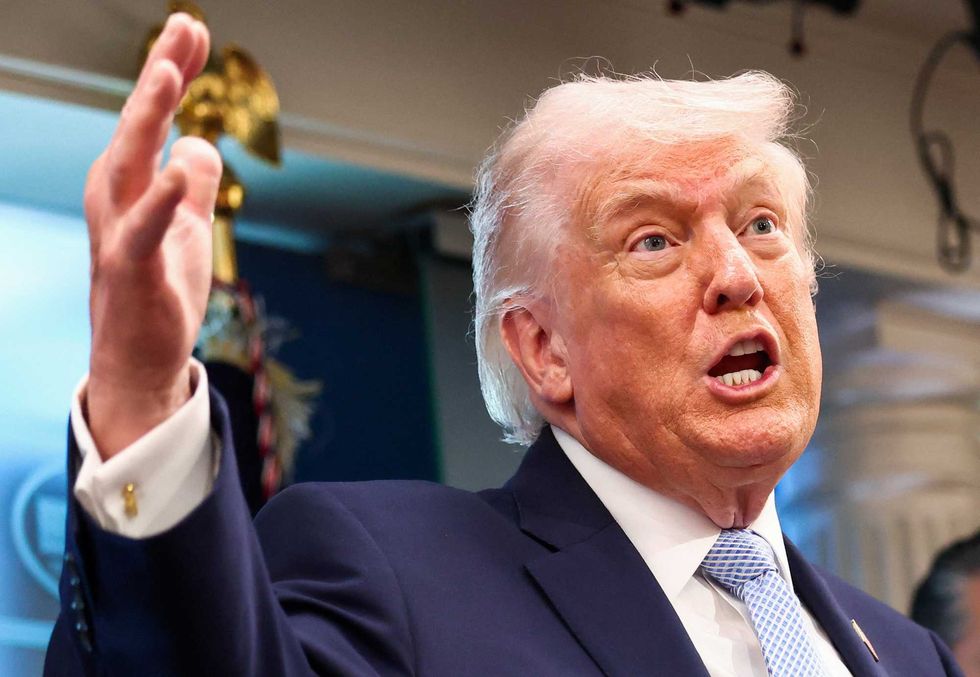
Retired general suggests Trump go to Walter Reed National Military Medical Center
Retired General Barry McCaffrey expressed serious concern about President Donald Trump's Easter Sunday post threatening Iran, suggesting Trump requires medical
Share
Rawstory2026/04/07 10:00

Marik Hazan: Social media is reshaping journalism, AI will disrupt employment more than expected, and the cofounder model is unsustainable for AI startups
The post Marik Hazan: Social media is reshaping journalism, AI will disrupt employment more than expected, and the cofounder model is unsustainable for AI startups
Share
BitcoinEthereumNews2026/04/07 10:16



