As Bitcoin continues to breach all-time highs, the debate over Bitcoin mining’s environmental impact grows louder. A Cambridge Centre for Alternative Finance study found that 52.4% of Bitcoin mining now relies on sustainable energy. Among the firms pushing this transition is Bitzero, backed by Shark Tank investor and entrepreneur Kevin O’Leary aka “Mr Wonderful”. In an interview with Cryptonews, O’Leary and Bitzero CEO Mohammed Bakhashwain outlined why the company is betting on power infrastructure, not price, to shape the future of both Bitcoin mining and AI data centers.“Bitzero started as an idea at the end of 2020,” Bakhashwain recalled. “Our core business is power. The more power we can bring online, the more flexibility we have to allocate it – whether for Bitcoin, AI, or HPC.”He pointed to the company’s large-scale sites in Scandinavia, including one in Finland, that could scale to roughly 1 gigawatt over the next five to six years, and another in Norway with capacity for 300 megawatts. Asked whether BitZero leans more toward Bitcoin mining or AI, Bakhashwain described the company as fundamentally “agnostic.” “Our assets are power envelopes. Right now, AI demand is strongest, and with traditional tech hubs facing shortages, we’re seeing rising interest in remote regions like ours.” For Kevin O’Leary, who invested early in Bitzero, that philosophy was key. “My investment strategy in any asset class is to own the infrastructure as well as the asset itself. If you’re going to own Bitcoin, why not own the picks and shovels that make it happen? That’s power, that’s energy, that’s data centers. Bitzero checks all those boxes.” Sustainable Energy and Mining EfficiencyAs the industry sees more pressure to go greener, according to Kevin O’Leary, institutions will accelerate that shift. “Some institutions prefer, or demand, that the Bitcoin they buy be mined sustainably,” he explained. “That’s difficult because tagging coins is complex, but the real driver is efficiency. Miners want the most efficient equipment possible for economic reasons, and that forces sustainability forward.”He argued that Bitcoin mining has had a net benefit in driving energy efficiency. “When a coin is created from surplus electricity, as in Bitzero’s Norway site, it’s capturing the value of that energy in perpetuity. It’s pushing compute forward and making it more efficient for everybody.” Bakhashwain added that Bitzero carefully selects sites with surplus power to avoid affecting local communities. “We want to be as people-friendly as possible. That’s why we focus on areas where our consumption doesn’t raise household costs.” O’Leary noted that while nuclear power may eventually play a role, natural gas is driving much of the immediate demand, especially in the U.S. “You can’t just add one gigawatt of demand to a grid and raise everyone’s bills by 25%,” he said. “That’s politically impossible. The solution right now is natural gas.”Bitzero facility in Namsskogan, NorwayKeeping Bitcoin Mining Profitable and GreenThe cyclical halving of Bitcoin reduces rewards and raises questions about mining profitability. Bakhashwain noted, “even now, we have equipment predating the last halving still running profitably,” he said. “It’s about constantly upgrading, optimizing, and managing operations smartly. Efficient sites remain profitable.” O’Leary added that the industry has matured since the 2022 bear market, when many miners faced existential threats. “Back then, they loaded up on leverage with floating rate debt. It wasn’t Bitcoin’s fault – it was poor management. Those “idiot managers” got wiped out, and better managers took over. That’s healthy. It’s the same thing I’ve seen in real estate my whole career.” Huge Room From Institutional Crypto AdoptionFor O’Leary, Bitcoin’s long-term future is tied to institutional adoption. “Right now, 95% of institutions haven’t allocated to crypto at all,” he said. “And those that have, are allocated through ETFs or treasury stocks.” “If crypto becomes just another alternative asset class like gold, why wouldn’t institutions put 5% of their portfolios in it? The demand could be massive.” That demand is what drives his investment in infrastructure of this asset class. “Energy, permits, fiber, real estate, people – putting it all together is incredibly difficult. Bitzero has proven it can,” O’Leary said. Kevin O’Leary is Finding Ways to Get “Royalties” on Bitcoin HoldingsWhen it comes to his own crypto portfolio, O’Leary sticks to discipline. “I cap my crypto exposure at 20% of my portfolio which is full allocation” he revealed. “We actually had to sell down recently because the run-up pushed us over. That’s our mandate.” Within that allocation, Bitcoin is the cornerstone. “Bitcoin is my granddaddy position – it’s a perpetual holding. Three to five percent is the right allocation for most investors. But Bitcoin doesn’t pay distributions, and that’s what I’m solving for now; finding ways to create yield on my Bitcoin holdings.” He added that new regulations, like the recently passed Genius Act and the upcoming Infrastructure Act, will open the door for new financial products. “There’ll be opportunities to generate “royalties” on Bitcoin.”As Bitcoin continues to breach all-time highs, the debate over Bitcoin mining’s environmental impact grows louder. A Cambridge Centre for Alternative Finance study found that 52.4% of Bitcoin mining now relies on sustainable energy. Among the firms pushing this transition is Bitzero, backed by Shark Tank investor and entrepreneur Kevin O’Leary aka “Mr Wonderful”. In an interview with Cryptonews, O’Leary and Bitzero CEO Mohammed Bakhashwain outlined why the company is betting on power infrastructure, not price, to shape the future of both Bitcoin mining and AI data centers.“Bitzero started as an idea at the end of 2020,” Bakhashwain recalled. “Our core business is power. The more power we can bring online, the more flexibility we have to allocate it – whether for Bitcoin, AI, or HPC.”He pointed to the company’s large-scale sites in Scandinavia, including one in Finland, that could scale to roughly 1 gigawatt over the next five to six years, and another in Norway with capacity for 300 megawatts. Asked whether BitZero leans more toward Bitcoin mining or AI, Bakhashwain described the company as fundamentally “agnostic.” “Our assets are power envelopes. Right now, AI demand is strongest, and with traditional tech hubs facing shortages, we’re seeing rising interest in remote regions like ours.” For Kevin O’Leary, who invested early in Bitzero, that philosophy was key. “My investment strategy in any asset class is to own the infrastructure as well as the asset itself. If you’re going to own Bitcoin, why not own the picks and shovels that make it happen? That’s power, that’s energy, that’s data centers. Bitzero checks all those boxes.” Sustainable Energy and Mining EfficiencyAs the industry sees more pressure to go greener, according to Kevin O’Leary, institutions will accelerate that shift. “Some institutions prefer, or demand, that the Bitcoin they buy be mined sustainably,” he explained. “That’s difficult because tagging coins is complex, but the real driver is efficiency. Miners want the most efficient equipment possible for economic reasons, and that forces sustainability forward.”He argued that Bitcoin mining has had a net benefit in driving energy efficiency. “When a coin is created from surplus electricity, as in Bitzero’s Norway site, it’s capturing the value of that energy in perpetuity. It’s pushing compute forward and making it more efficient for everybody.” Bakhashwain added that Bitzero carefully selects sites with surplus power to avoid affecting local communities. “We want to be as people-friendly as possible. That’s why we focus on areas where our consumption doesn’t raise household costs.” O’Leary noted that while nuclear power may eventually play a role, natural gas is driving much of the immediate demand, especially in the U.S. “You can’t just add one gigawatt of demand to a grid and raise everyone’s bills by 25%,” he said. “That’s politically impossible. The solution right now is natural gas.”Bitzero facility in Namsskogan, NorwayKeeping Bitcoin Mining Profitable and GreenThe cyclical halving of Bitcoin reduces rewards and raises questions about mining profitability. Bakhashwain noted, “even now, we have equipment predating the last halving still running profitably,” he said. “It’s about constantly upgrading, optimizing, and managing operations smartly. Efficient sites remain profitable.” O’Leary added that the industry has matured since the 2022 bear market, when many miners faced existential threats. “Back then, they loaded up on leverage with floating rate debt. It wasn’t Bitcoin’s fault – it was poor management. Those “idiot managers” got wiped out, and better managers took over. That’s healthy. It’s the same thing I’ve seen in real estate my whole career.” Huge Room From Institutional Crypto AdoptionFor O’Leary, Bitcoin’s long-term future is tied to institutional adoption. “Right now, 95% of institutions haven’t allocated to crypto at all,” he said. “And those that have, are allocated through ETFs or treasury stocks.” “If crypto becomes just another alternative asset class like gold, why wouldn’t institutions put 5% of their portfolios in it? The demand could be massive.” That demand is what drives his investment in infrastructure of this asset class. “Energy, permits, fiber, real estate, people – putting it all together is incredibly difficult. Bitzero has proven it can,” O’Leary said. Kevin O’Leary is Finding Ways to Get “Royalties” on Bitcoin HoldingsWhen it comes to his own crypto portfolio, O’Leary sticks to discipline. “I cap my crypto exposure at 20% of my portfolio which is full allocation” he revealed. “We actually had to sell down recently because the run-up pushed us over. That’s our mandate.” Within that allocation, Bitcoin is the cornerstone. “Bitcoin is my granddaddy position – it’s a perpetual holding. Three to five percent is the right allocation for most investors. But Bitcoin doesn’t pay distributions, and that’s what I’m solving for now; finding ways to create yield on my Bitcoin holdings.” He added that new regulations, like the recently passed Genius Act and the upcoming Infrastructure Act, will open the door for new financial products. “There’ll be opportunities to generate “royalties” on Bitcoin.”

Why Go Green? Kevin O’Leary Explains Paradigm Shift in Bitcoin Mining: Interview

As Bitcoin continues to breach all-time highs, the debate over Bitcoin mining’s environmental impact grows louder. A Cambridge Centre for Alternative Finance study found that 52.4% of Bitcoin mining now relies on sustainable energy. Among the firms pushing this transition is Bitzero, backed by Shark Tank investor and entrepreneur Kevin O’Leary aka “Mr Wonderful”.

In an interview with Cryptonews, O’Leary and Bitzero CEO Mohammed Bakhashwain outlined why the company is betting on power infrastructure, not price, to shape the future of both Bitcoin mining and AI data centers.

“Bitzero started as an idea at the end of 2020,” Bakhashwain recalled. “Our core business is power. The more power we can bring online, the more flexibility we have to allocate it – whether for Bitcoin, AI, or HPC.”

He pointed to the company’s large-scale sites in Scandinavia, including one in Finland, that could scale to roughly 1 gigawatt over the next five to six years, and another in Norway with capacity for 300 megawatts. Asked whether BitZero leans more toward Bitcoin mining or AI, Bakhashwain described the company as fundamentally “agnostic.”

For Kevin O’Leary, who invested early in Bitzero, that philosophy was key.

Sustainable Energy and Mining Efficiency

As the industry sees more pressure to go greener, according to Kevin O’Leary, institutions will accelerate that shift. “Some institutions prefer, or demand, that the Bitcoin they buy be mined sustainably,” he explained. “That’s difficult because tagging coins is complex, but the real driver is efficiency. Miners want the most efficient equipment possible for economic reasons, and that forces sustainability forward.”

He argued that Bitcoin mining has had a net benefit in driving energy efficiency.

Bakhashwain added that Bitzero carefully selects sites with surplus power to avoid affecting local communities.

O’Leary noted that while nuclear power may eventually play a role, natural gas is driving much of the immediate demand, especially in the U.S. “You can’t just add one gigawatt of demand to a grid and raise everyone’s bills by 25%,” he said. “That’s politically impossible. The solution right now is natural gas.”
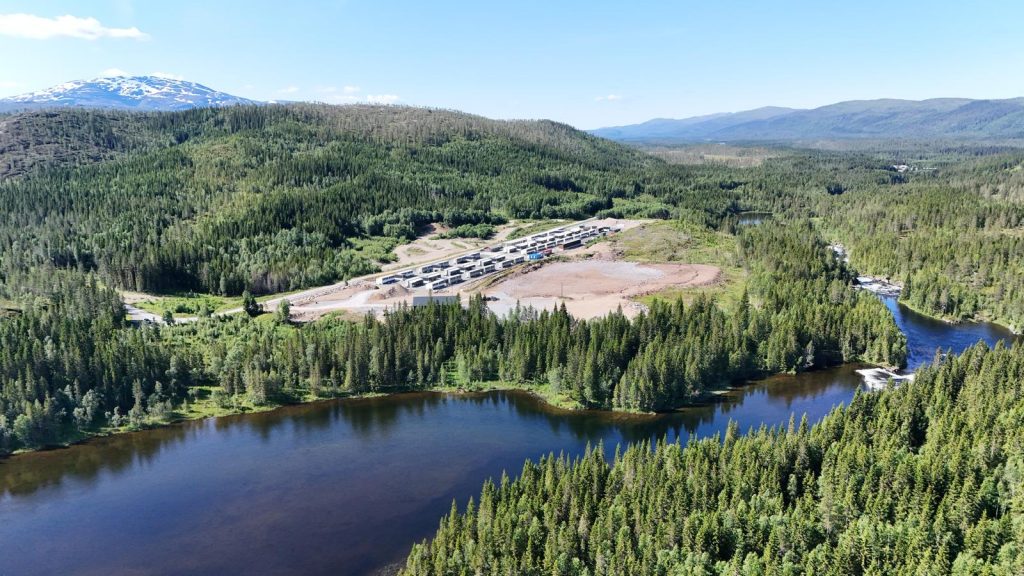
Bitzero facility in Namsskogan, Norway

Keeping Bitcoin Mining Profitable and Green

The cyclical halving of Bitcoin reduces rewards and raises questions about mining profitability. Bakhashwain noted, “even now, we have equipment predating the last halving still running profitably,” he said. “It’s about constantly upgrading, optimizing, and managing operations smartly. Efficient sites remain profitable.”

O’Leary added that the industry has matured since the 2022 bear market, when many miners faced existential threats. “Back then, they loaded up on leverage with floating rate debt. It wasn’t Bitcoin’s fault – it was poor management. Those “idiot managers” got wiped out, and better managers took over. That’s healthy. It’s the same thing I’ve seen in real estate my whole career.”

Huge Room From Institutional Crypto Adoption

For O’Leary, Bitcoin’s long-term future is tied to institutional adoption. “Right now, 95% of institutions haven’t allocated to crypto at all,” he said. “And those that have, are allocated through ETFs or treasury stocks.”

That demand is what drives his investment in infrastructure of this asset class. “Energy, permits, fiber, real estate, people – putting it all together is incredibly difficult. Bitzero has proven it can,” O’Leary said.

Kevin O’Leary is Finding Ways to Get “Royalties” on Bitcoin Holdings

When it comes to his own crypto portfolio, O’Leary sticks to discipline. “I cap my crypto exposure at 20% of my portfolio which is full allocation” he revealed. “We actually had to sell down recently because the run-up pushed us over. That’s our mandate.” Within that allocation, Bitcoin is the cornerstone. “Bitcoin is my granddaddy position – it’s a perpetual holding. Three to five percent is the right allocation for most investors. But Bitcoin doesn’t pay distributions, and that’s what I’m solving for now; finding ways to create yield on my Bitcoin holdings.”

He added that new regulations, like the recently passed Genius Act and the upcoming Infrastructure Act, will open the door for new financial products. “There’ll be opportunities to generate “royalties” on Bitcoin.”


Market Opportunity
MemeCore Logo
MemeCore Price(M)
$1.60759
$1.60759$1.60759
-2.10%
USD
MemeCore (M) Live Price Chart
Disclaimer: The articles reposted on this site are sourced from public platforms and are provided for informational purposes only. They do not necessarily reflect the views of MEXC. All rights remain with the original authors. If you believe any content infringes on third-party rights, please contact service@support.mexc.com for removal. MEXC makes no guarantees regarding the accuracy, completeness, or timeliness of the content and is not responsible for any actions taken based on the information provided. The content does not constitute financial, legal, or other professional advice, nor should it be considered a recommendation or endorsement by MEXC.

You May Also Like

XRP Delivers Impressive ETF Volumes But Digitap ($TAP) is the King of Cross-Border Payments in 2026

XRP Delivers Impressive ETF Volumes But Digitap ($TAP) is the King of Cross-Border Payments in 2026

XRP has dominated crypto headlines recently. Spot XRP ETFs brought over $1 billion in institutional inflows, and total ETF-held assets now sit at $1.47 billion.
Share
Brave Newcoin2026/01/14 03:58
Strive Completes Acquisition of Bitcoin Treasury Firm Semler

Strive Completes Acquisition of Bitcoin Treasury Firm Semler

The post Strive Completes Acquisition of Bitcoin Treasury Firm Semler appeared on BitcoinEthereumNews.com. Strive Inc. (ASST) and Semler scientific (SMLR) were
Share
BitcoinEthereumNews2026/01/14 04:29
Wormhole token soars following tokenomics overhaul, W reserve launch

Wormhole token soars following tokenomics overhaul, W reserve launch

                                                                               Wormhole’s native token has had a tough time since launch, debuting at $1.66 before dropping significantly despite the general crypto market’s bull cycle.                     Wormhole, an interoperability protocol facilitating asset transfers between blockchains, announced updated tokenomics to its native Wormhole (W) token, including a token reserve and more yield for stakers. The changes could affect the protocol’s governance, as staked Wormhole tokens allocate voting power to delegates.According to a Wednesday announcement, three main changes are coming to the Wormhole token: a W reserve funded with protocol fees and revenue, a 4% base yield for staking with higher rewards for active ecosystem participants, and a change from bulk unlocks to biweekly unlocks.“The goal of Wormhole Contributors is to significantly expand the asset transfer and messaging volume that Wormhole facilitates over the next 1-2 years,” the protocol said. According to Wormhole, more tokens will be locked as adoption takes place and revenue filters back to the company.Read more
Share
Coinstats2025/09/18 02:41



