BitcoinWorld Digital Euro Project: EU Eyes Ethereum and Solana in a Bold Move A significant development is capturing attention in the financial world: the European Union (EU) is reportedly considering building its ambitious digital euro project on established public blockchains like Ethereum or Solana. This pivotal shift, as reported by U.Today citing a Financial Times report, indicates a move away from earlier considerations of private blockchains. The decision underscores the EU’s urgency to accelerate its digital currency efforts, driven by concerns about lagging behind the U.S. in the rapidly evolving stablecoin market. Why Public Blockchains for the Digital Euro Project? The EU’s potential pivot towards public blockchain networks for its digital euro project signals a strategic re-evaluation. While central banks often prefer private ledgers for control, public chains offer distinct advantages: Enhanced Transparency: Public blockchains allow verifiable transactions, fostering trust and accountability. Innovation Ecosystem: Leveraging platforms like Ethereum or Solana taps into vast developer communities, potentially accelerating the digital euro project’s development and adoption. Resilience: Building on a public network can offer decentralized aspects, making the system more robust and less prone to single points of failure. This strategic choice reflects a proactive stance by EU officials. They aim to prevent the EU from falling behind in digital currency innovation, especially given global stablecoin advancements. Ethereum or Solana: Which Platform Will Power the Digital Euro Project? The choice between Ethereum and Solana presents a critical decision for the digital euro project, with each offering unique strengths: Ethereum’s Strengths: As the leading smart contract platform, Ethereum boasts a massive developer community, robust security, and a proven track record. Its mature ecosystem and extensive tooling provide a reliable environment for complex applications. Solana’s Advantages: Solana is known for its high speed and low transaction costs. Its impressive throughput capabilities are crucial for a national digital currency expected to handle millions of daily transactions. Solana’s scalability could efficiently address high user volumes for the digital euro project. The EU’s technical assessment will carefully weigh these factors. The chosen platform must balance security, scalability, cost-efficiency, and a strong community to support the long-term vision of the digital euro project. What Are the Hurdles Facing the Digital Euro Project? While a public blockchain-powered digital euro project is exciting, several significant challenges require robust solutions: Regulatory Frameworks: Integrating a digital currency into existing finance demands extensive regulatory adjustments and clear legal guidance for public ledgers. Scalability: Even advanced public chains face pressure handling national-scale payment systems. Ensuring peak demand without compromising speed or cost is vital. Privacy Concerns: Balancing user privacy with anti-money laundering (AML) and know-your-customer (KYC) compliance is delicate, given the transparency of public blockchains. Interoperability: The digital euro must seamlessly integrate with current banking infrastructure and other digital payment systems. Addressing these challenges effectively is paramount for the successful implementation and widespread adoption of the digital euro. The EU’s exploration of these options shows a serious commitment to overcoming potential hurdles. The EU’s contemplation of Ethereum and Solana for its digital euro project is more than a technical decision; it’s a profound statement about the future of finance. This move signals a growing recognition of blockchain technology’s transformative potential. Should the EU proceed with a public blockchain, it could set a significant precedent for central banks globally, influencing the trajectory of central bank digital currencies and the broader crypto landscape. The journey ahead for the digital euro project promises to be immensely fascinating, shaping how we transact and interact with money in the digital age. Frequently Asked Questions about the Digital Euro Project Q: What is the digital euro project? A: It’s an EU initiative to create a central bank digital currency (CBDC) for the eurozone. This digital euro, issued by the ECB, would complement physical cash and bank deposits. Q: Why consider Ethereum and Solana? A: The EU explores these public blockchains for their transparency, innovation ecosystems, and resilience. This also helps avoid falling behind other nations in digital currency development. Q: What are public blockchain advantages for a CBDC? A: Benefits include greater transaction transparency, access to a vast developer community for innovation, and enhanced system resilience compared to private ledgers. Q: What challenges might the project face? A: Challenges involve complex regulatory adjustments, ensuring scalability for national transaction volumes, balancing user privacy with compliance, and achieving interoperability with existing financial systems. Q: How does it differ from cryptocurrencies? A: Unlike decentralized cryptocurrencies, the digital euro would be a centralized CBDC issued and controlled by the ECB, offering stability and trust similar to physical cash. What are your thoughts on the EU’s bold move to consider public blockchains for the digital euro? Share this article on your social media to spark a conversation about the future of digital finance! To learn more about the latest crypto market trends, explore our article on key developments shaping digital euro project institutional adoption. This post Digital Euro Project: EU Eyes Ethereum and Solana in a Bold Move first appeared on BitcoinWorld and is written by Editorial TeamBitcoinWorld Digital Euro Project: EU Eyes Ethereum and Solana in a Bold Move A significant development is capturing attention in the financial world: the European Union (EU) is reportedly considering building its ambitious digital euro project on established public blockchains like Ethereum or Solana. This pivotal shift, as reported by U.Today citing a Financial Times report, indicates a move away from earlier considerations of private blockchains. The decision underscores the EU’s urgency to accelerate its digital currency efforts, driven by concerns about lagging behind the U.S. in the rapidly evolving stablecoin market. Why Public Blockchains for the Digital Euro Project? The EU’s potential pivot towards public blockchain networks for its digital euro project signals a strategic re-evaluation. While central banks often prefer private ledgers for control, public chains offer distinct advantages: Enhanced Transparency: Public blockchains allow verifiable transactions, fostering trust and accountability. Innovation Ecosystem: Leveraging platforms like Ethereum or Solana taps into vast developer communities, potentially accelerating the digital euro project’s development and adoption. Resilience: Building on a public network can offer decentralized aspects, making the system more robust and less prone to single points of failure. This strategic choice reflects a proactive stance by EU officials. They aim to prevent the EU from falling behind in digital currency innovation, especially given global stablecoin advancements. Ethereum or Solana: Which Platform Will Power the Digital Euro Project? The choice between Ethereum and Solana presents a critical decision for the digital euro project, with each offering unique strengths: Ethereum’s Strengths: As the leading smart contract platform, Ethereum boasts a massive developer community, robust security, and a proven track record. Its mature ecosystem and extensive tooling provide a reliable environment for complex applications. Solana’s Advantages: Solana is known for its high speed and low transaction costs. Its impressive throughput capabilities are crucial for a national digital currency expected to handle millions of daily transactions. Solana’s scalability could efficiently address high user volumes for the digital euro project. The EU’s technical assessment will carefully weigh these factors. The chosen platform must balance security, scalability, cost-efficiency, and a strong community to support the long-term vision of the digital euro project. What Are the Hurdles Facing the Digital Euro Project? While a public blockchain-powered digital euro project is exciting, several significant challenges require robust solutions: Regulatory Frameworks: Integrating a digital currency into existing finance demands extensive regulatory adjustments and clear legal guidance for public ledgers. Scalability: Even advanced public chains face pressure handling national-scale payment systems. Ensuring peak demand without compromising speed or cost is vital. Privacy Concerns: Balancing user privacy with anti-money laundering (AML) and know-your-customer (KYC) compliance is delicate, given the transparency of public blockchains. Interoperability: The digital euro must seamlessly integrate with current banking infrastructure and other digital payment systems. Addressing these challenges effectively is paramount for the successful implementation and widespread adoption of the digital euro. The EU’s exploration of these options shows a serious commitment to overcoming potential hurdles. The EU’s contemplation of Ethereum and Solana for its digital euro project is more than a technical decision; it’s a profound statement about the future of finance. This move signals a growing recognition of blockchain technology’s transformative potential. Should the EU proceed with a public blockchain, it could set a significant precedent for central banks globally, influencing the trajectory of central bank digital currencies and the broader crypto landscape. The journey ahead for the digital euro project promises to be immensely fascinating, shaping how we transact and interact with money in the digital age. Frequently Asked Questions about the Digital Euro Project Q: What is the digital euro project? A: It’s an EU initiative to create a central bank digital currency (CBDC) for the eurozone. This digital euro, issued by the ECB, would complement physical cash and bank deposits. Q: Why consider Ethereum and Solana? A: The EU explores these public blockchains for their transparency, innovation ecosystems, and resilience. This also helps avoid falling behind other nations in digital currency development. Q: What are public blockchain advantages for a CBDC? A: Benefits include greater transaction transparency, access to a vast developer community for innovation, and enhanced system resilience compared to private ledgers. Q: What challenges might the project face? A: Challenges involve complex regulatory adjustments, ensuring scalability for national transaction volumes, balancing user privacy with compliance, and achieving interoperability with existing financial systems. Q: How does it differ from cryptocurrencies? A: Unlike decentralized cryptocurrencies, the digital euro would be a centralized CBDC issued and controlled by the ECB, offering stability and trust similar to physical cash. What are your thoughts on the EU’s bold move to consider public blockchains for the digital euro? Share this article on your social media to spark a conversation about the future of digital finance! To learn more about the latest crypto market trends, explore our article on key developments shaping digital euro project institutional adoption. This post Digital Euro Project: EU Eyes Ethereum and Solana in a Bold Move first appeared on BitcoinWorld and is written by Editorial Team

Digital Euro Project: EU Eyes Ethereum and Solana in a Bold Move

BitcoinWorld
Digital Euro Project: EU Eyes Ethereum and Solana in a Bold Move

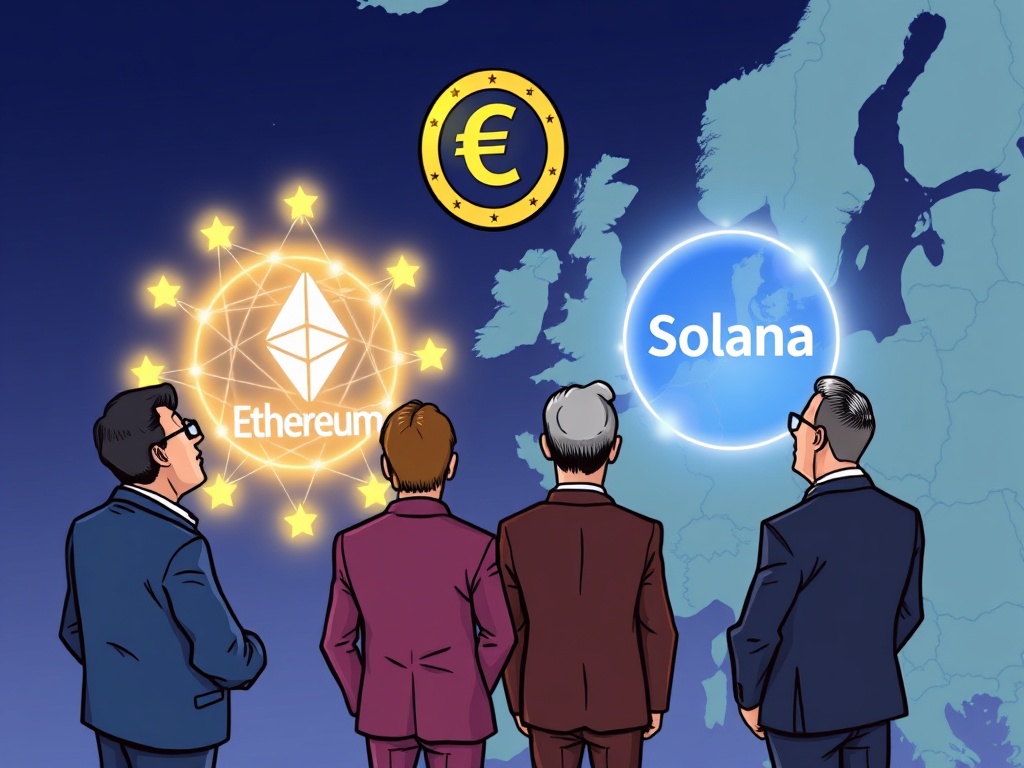
A significant development is capturing attention in the financial world: the European Union (EU) is reportedly considering building its ambitious digital euro project on established public blockchains like Ethereum or Solana. This pivotal shift, as reported by U.Today citing a Financial Times report, indicates a move away from earlier considerations of private blockchains. The decision underscores the EU’s urgency to accelerate its digital currency efforts, driven by concerns about lagging behind the U.S. in the rapidly evolving stablecoin market.

Why Public Blockchains for the Digital Euro Project?

The EU’s potential pivot towards public blockchain networks for its digital euro project signals a strategic re-evaluation. While central banks often prefer private ledgers for control, public chains offer distinct advantages:

  • Enhanced Transparency: Public blockchains allow verifiable transactions, fostering trust and accountability.
  • Innovation Ecosystem: Leveraging platforms like Ethereum or Solana taps into vast developer communities, potentially accelerating the digital euro project’s development and adoption.
  • Resilience: Building on a public network can offer decentralized aspects, making the system more robust and less prone to single points of failure.

This strategic choice reflects a proactive stance by EU officials. They aim to prevent the EU from falling behind in digital currency innovation, especially given global stablecoin advancements.

Ethereum or Solana: Which Platform Will Power the Digital Euro Project?

The choice between Ethereum and Solana presents a critical decision for the digital euro project, with each offering unique strengths:

  • Ethereum’s Strengths: As the leading smart contract platform, Ethereum boasts a massive developer community, robust security, and a proven track record. Its mature ecosystem and extensive tooling provide a reliable environment for complex applications.
  • Solana’s Advantages: Solana is known for its high speed and low transaction costs. Its impressive throughput capabilities are crucial for a national digital currency expected to handle millions of daily transactions. Solana’s scalability could efficiently address high user volumes for the digital euro project.

The EU’s technical assessment will carefully weigh these factors. The chosen platform must balance security, scalability, cost-efficiency, and a strong community to support the long-term vision of the digital euro project.

What Are the Hurdles Facing the Digital Euro Project?

While a public blockchain-powered digital euro project is exciting, several significant challenges require robust solutions:

  • Regulatory Frameworks: Integrating a digital currency into existing finance demands extensive regulatory adjustments and clear legal guidance for public ledgers.
  • Scalability: Even advanced public chains face pressure handling national-scale payment systems. Ensuring peak demand without compromising speed or cost is vital.
  • Privacy Concerns: Balancing user privacy with anti-money laundering (AML) and know-your-customer (KYC) compliance is delicate, given the transparency of public blockchains.
  • Interoperability: The digital euro must seamlessly integrate with current banking infrastructure and other digital payment systems.

Addressing these challenges effectively is paramount for the successful implementation and widespread adoption of the digital euro. The EU’s exploration of these options shows a serious commitment to overcoming potential hurdles.

The EU’s contemplation of Ethereum and Solana for its digital euro project is more than a technical decision; it’s a profound statement about the future of finance. This move signals a growing recognition of blockchain technology’s transformative potential. Should the EU proceed with a public blockchain, it could set a significant precedent for central banks globally, influencing the trajectory of central bank digital currencies and the broader crypto landscape. The journey ahead for the digital euro project promises to be immensely fascinating, shaping how we transact and interact with money in the digital age.

Frequently Asked Questions about the Digital Euro Project

Q: What is the digital euro project?
A: It’s an EU initiative to create a central bank digital currency (CBDC) for the eurozone. This digital euro, issued by the ECB, would complement physical cash and bank deposits.
Q: Why consider Ethereum and Solana?
A: The EU explores these public blockchains for their transparency, innovation ecosystems, and resilience. This also helps avoid falling behind other nations in digital currency development.
Q: What are public blockchain advantages for a CBDC?
A: Benefits include greater transaction transparency, access to a vast developer community for innovation, and enhanced system resilience compared to private ledgers.
Q: What challenges might the project face?
A: Challenges involve complex regulatory adjustments, ensuring scalability for national transaction volumes, balancing user privacy with compliance, and achieving interoperability with existing financial systems.
Q: How does it differ from cryptocurrencies?
A: Unlike decentralized cryptocurrencies, the digital euro would be a centralized CBDC issued and controlled by the ECB, offering stability and trust similar to physical cash.

What are your thoughts on the EU’s bold move to consider public blockchains for the digital euro? Share this article on your social media to spark a conversation about the future of digital finance!

To learn more about the latest crypto market trends, explore our article on key developments shaping digital euro project institutional adoption.

This post Digital Euro Project: EU Eyes Ethereum and Solana in a Bold Move first appeared on BitcoinWorld and is written by Editorial Team

Market Opportunity
Quack AI Logo
Quack AI Price(Q)
$0.018128
$0.018128$0.018128
+0.67%
USD
Quack AI (Q) Live Price Chart
Disclaimer: The articles reposted on this site are sourced from public platforms and are provided for informational purposes only. They do not necessarily reflect the views of MEXC. All rights remain with the original authors. If you believe any content infringes on third-party rights, please contact service@support.mexc.com for removal. MEXC makes no guarantees regarding the accuracy, completeness, or timeliness of the content and is not responsible for any actions taken based on the information provided. The content does not constitute financial, legal, or other professional advice, nor should it be considered a recommendation or endorsement by MEXC.

You May Also Like

Adam Wainwright Takes The Mound Again Honor Darryl Kile

Adam Wainwright Takes The Mound Again Honor Darryl Kile

The post Adam Wainwright Takes The Mound Again Honor Darryl Kile appeared on BitcoinEthereumNews.com. Adam Wainwright of the St. Louis Cardinals in the dugout during the second inning against the Miami Marlins at Busch Stadium on July 18, 2023 in St. Louis, Missouri. (Photo by Brandon Sloter/Image Of Sport/Getty Images) Getty Images St. Louis Cardinals lifer Adam Wainwright is a pretty easygoing guy, and not unlikely to talk with you about baseball traditions and barbecue, or even share a joke. That personality came out last week during our Zoom call when I mentioned for the first time that I’m a Chicago Cubs fan. He responded to the mention of my fandom, “So far, I don’t think this interview is going very well.” Yet, Wainwright will return to Busch Stadium on September 19 on a more serious note, this time to honor another former Cardinal and friend, the late Darryl Kile. Wainwright will take the mound not as a starting pitcher, but to throw out the game’s ceremonial first pitch. Joining him on the mound will be Kile’s daughter, Sierra, as the two help launch a new program called Playing with Heart. “Darryl’s passing was a reminder that heart disease doesn’t discriminate, even against elite athletes in peak physical shape,” Wainwright said. “This program is about helping people recognize the risks, take action, and hopefully save lives.” Wainwright, who played for the St. Louis Cardinals as a starting pitcher from 2005 to 2023, aims to merge the essence of baseball tradition with a crucial message about heart health. Kile, a beloved pitcher for the Cardinals, tragically passed away in 2002 at the age of 33 as a result of early-onset heart disease. His sudden death shook the baseball world and left a lasting impact on teammates, fans, and especially his family. Now, more than two decades later, Sierra Kile is stepping forward with Wainwright to…
Share
BitcoinEthereumNews2025/09/18 02:08
Federal Reserve expected to slash rates today, here's how it may impact crypto

Federal Reserve expected to slash rates today, here's how it may impact crypto

                                                                               Market participants are eagerly anticipating at least a 25 basis point (BPS) interest rate cut from the Federal Reserve on Wednesday.                     The Federal Reserve, the central bank of the United States, is expected to begin slashing interest rates on Wednesday, with analysts expecting a 25 basis point (BPS) cut and a boost to risk asset prices in the long term.Crypto prices are strongly correlated with liquidity cycles, Coin Bureau founder and market analyst Nic Puckrin said. However, while lower interest rates tend to raise asset prices long-term, Puckrin warned of a short-term price correction.  “The main risk is that the move is already priced in, Puckrin said, adding, “hope is high and there’s a big chance of a ‘sell the news’ pullback. When that happens, speculative corners, memecoins in particular, are most vulnerable.”Read more

Share
Coinstats2025/09/18 01:42
Here’s why Bitcoin mining stocks Bitfarms and IREN are surging

Here’s why Bitcoin mining stocks Bitfarms and IREN are surging

Top Bitcoin mining stocks like IREN and Bitfarms have surged this year, helped by their expansion into the lucrative artificial intelligence data center industry. IREN stock jumped from $5.17 in April to $37, pushing its market capitalization from $1.29 billion…
Share
Crypto.news2025/09/18 01:23