In the ever-evolving landscape of Web3, where protocols and first principles ought to reign supreme, a peculiar and potent force has emerged: the celebrity coin. These tokens, inextricably linked to the persona and influence of a public figure, represent a raw intersection of culture, finance, and technology. From Elon Musk’s market-moving tweets to the direct capitalization on brand by figures like Donald Trump and Kanye West, this trend demands a critical examination. It forces us to ask a fundamental question: What is the real value being traded here — technology, or belief in a personality? From the lens of someone who has weathered the cycles of this industry for over seven years, the celebrity coin is not an anomaly but a logical, if troubling, evolution. It’s the ultimate expression of the attention economy, ported onto a permissionless financial layer. But not all influence is created equal, and understanding the distinction is key to navigating the noise. The Archetypes of Influence We can observe two primary models of the celebrity coin phenomenon. 1. The Endorser-King: Elon Musk is the definitive example. He did not create Dogecoin or Shiba Inu, but his playful yet powerful promotion transformed them from niche internet memes into multi-billion dollar assets. The “Musk Effect” is a case study in narrative power. His influence is indirect but seismic, creating value through association. This model is potent because it maintains a veneer of authenticity; he is a fan, a participant, which galvanizes communities to speculate not just on the coin, but on his next move. 2. The Direct Monetizer: This is a more recent and blatant evolution. Public figures are no longer just endorsing coins; they are becoming the central node of entire ecosystems built around their brand. Donald Trump’s brand, for instance, has inspired a range of crypto ventures, including the meme coin $TRUMP (Official Trump) and broader financial projects like World Liberty Financial (WLFI) and its USD1 stablecoin. Similarly, Kanye West’s YZY token was launched to directly integrate with his fashion and cultural empire. This model is a direct attempt to convert cultural capital into financial capital. The value proposition is simple: “Bet on me.” The initial surge is often explosive, fueled by media hype and a loyal fanbase. However, the risks are equally stark. These projects often lack clear tokenomics beyond their association with the celebrity, making them highly susceptible to “pump-and-dump” dynamics and leaving retail investors exposed once the initial wave of attention recedes. The Antidote: Why Ethereum Isn’t a Celebrity Coin In stark contrast stands Ethereum and its co-founder, Vitalik Buterin. Buterin is arguably the most influential individual builder in the space. In the project’s nascent stages, he was its chief evangelist, tirelessly promoting its vision to secure crucial early funding. Yet, no serious analyst would ever categorize ETH as a celebrity coin. This distinction is the most important lesson in this entire phenomenon. It rests on a foundation of first principles: Vision Over Vanity: Ethereum’s whitepaper presented a vision for a decentralized “world computer,” a platform for others to build upon. Its value was always predicated on its utility and potential, not on Buterin’s personality. The goal was to empower a network, not enrich a founder. Decentralization as a Deliberate Act: While Buterin provides intellectual leadership, he does not have unilateral control. The open-source nature of the project and the establishment of the non-profit Ethereum Foundation were deliberate choices to distribute power and ensure the platform’s longevity beyond any single individual. Buterin has actively tried to downplay his own centrality, a move antithetical to the celebrity coin playbook. Value Accrual Through Utility: ETH’s value is derived from its function within the network. It is used to pay for transaction fees (gas), participate in DeFi, secure the network through staking, and serves as the base money for the entire NFT ecosystem. There is a direct, verifiable link between the network’s activity and the asset’s value — a link that is absent in tokens whose primary utility is speculation on a celebrity’s fame. What This Trend Says About Web3’s Soul The rise of celebrity coins is a symptom of Web3’s ongoing battle for its own soul. Is this a new financial paradigm built on transparency and decentralization, or is it merely a more efficient casino for the attention economy? From an infrastructure perspective, these hype cycles serve a purpose. They stress-test blockchains, expose scaling bottlenecks, and onboard waves of new users who are drawn in by culture rather than code. However, they also perpetuate the industry’s reputation for being driven by speculation over substance. For the discerning investor and builder, the lesson is clear. The enduring projects in this space will be those that, like Ethereum, build systems that are resilient to the influence of any single individual. The ultimate test is simple: if the celebrity founder or endorser were to walk away tomorrow, would any value remain? For most celebrity coins, the answer is a resounding no. Their value is a fragile construct of belief tethered to a single person. For a true Web3 protocol, the departure of a founder, while impactful, would not be a fatal blow. The network, the community, and the utility would endure. And in the long cycle of booms and busts, that is the only principle that truly matters. The Cult of Personality: Deconstructing the Celebrity Coin Phenomenon in Web3 was originally published in Coinmonks on Medium, where people are continuing the conversation by highlighting and responding to this storyIn the ever-evolving landscape of Web3, where protocols and first principles ought to reign supreme, a peculiar and potent force has emerged: the celebrity coin. These tokens, inextricably linked to the persona and influence of a public figure, represent a raw intersection of culture, finance, and technology. From Elon Musk’s market-moving tweets to the direct capitalization on brand by figures like Donald Trump and Kanye West, this trend demands a critical examination. It forces us to ask a fundamental question: What is the real value being traded here — technology, or belief in a personality? From the lens of someone who has weathered the cycles of this industry for over seven years, the celebrity coin is not an anomaly but a logical, if troubling, evolution. It’s the ultimate expression of the attention economy, ported onto a permissionless financial layer. But not all influence is created equal, and understanding the distinction is key to navigating the noise. The Archetypes of Influence We can observe two primary models of the celebrity coin phenomenon. 1. The Endorser-King: Elon Musk is the definitive example. He did not create Dogecoin or Shiba Inu, but his playful yet powerful promotion transformed them from niche internet memes into multi-billion dollar assets. The “Musk Effect” is a case study in narrative power. His influence is indirect but seismic, creating value through association. This model is potent because it maintains a veneer of authenticity; he is a fan, a participant, which galvanizes communities to speculate not just on the coin, but on his next move. 2. The Direct Monetizer: This is a more recent and blatant evolution. Public figures are no longer just endorsing coins; they are becoming the central node of entire ecosystems built around their brand. Donald Trump’s brand, for instance, has inspired a range of crypto ventures, including the meme coin $TRUMP (Official Trump) and broader financial projects like World Liberty Financial (WLFI) and its USD1 stablecoin. Similarly, Kanye West’s YZY token was launched to directly integrate with his fashion and cultural empire. This model is a direct attempt to convert cultural capital into financial capital. The value proposition is simple: “Bet on me.” The initial surge is often explosive, fueled by media hype and a loyal fanbase. However, the risks are equally stark. These projects often lack clear tokenomics beyond their association with the celebrity, making them highly susceptible to “pump-and-dump” dynamics and leaving retail investors exposed once the initial wave of attention recedes. The Antidote: Why Ethereum Isn’t a Celebrity Coin In stark contrast stands Ethereum and its co-founder, Vitalik Buterin. Buterin is arguably the most influential individual builder in the space. In the project’s nascent stages, he was its chief evangelist, tirelessly promoting its vision to secure crucial early funding. Yet, no serious analyst would ever categorize ETH as a celebrity coin. This distinction is the most important lesson in this entire phenomenon. It rests on a foundation of first principles: Vision Over Vanity: Ethereum’s whitepaper presented a vision for a decentralized “world computer,” a platform for others to build upon. Its value was always predicated on its utility and potential, not on Buterin’s personality. The goal was to empower a network, not enrich a founder. Decentralization as a Deliberate Act: While Buterin provides intellectual leadership, he does not have unilateral control. The open-source nature of the project and the establishment of the non-profit Ethereum Foundation were deliberate choices to distribute power and ensure the platform’s longevity beyond any single individual. Buterin has actively tried to downplay his own centrality, a move antithetical to the celebrity coin playbook. Value Accrual Through Utility: ETH’s value is derived from its function within the network. It is used to pay for transaction fees (gas), participate in DeFi, secure the network through staking, and serves as the base money for the entire NFT ecosystem. There is a direct, verifiable link between the network’s activity and the asset’s value — a link that is absent in tokens whose primary utility is speculation on a celebrity’s fame. What This Trend Says About Web3’s Soul The rise of celebrity coins is a symptom of Web3’s ongoing battle for its own soul. Is this a new financial paradigm built on transparency and decentralization, or is it merely a more efficient casino for the attention economy? From an infrastructure perspective, these hype cycles serve a purpose. They stress-test blockchains, expose scaling bottlenecks, and onboard waves of new users who are drawn in by culture rather than code. However, they also perpetuate the industry’s reputation for being driven by speculation over substance. For the discerning investor and builder, the lesson is clear. The enduring projects in this space will be those that, like Ethereum, build systems that are resilient to the influence of any single individual. The ultimate test is simple: if the celebrity founder or endorser were to walk away tomorrow, would any value remain? For most celebrity coins, the answer is a resounding no. Their value is a fragile construct of belief tethered to a single person. For a true Web3 protocol, the departure of a founder, while impactful, would not be a fatal blow. The network, the community, and the utility would endure. And in the long cycle of booms and busts, that is the only principle that truly matters. The Cult of Personality: Deconstructing the Celebrity Coin Phenomenon in Web3 was originally published in Coinmonks on Medium, where people are continuing the conversation by highlighting and responding to this story

The Cult of Personality: Deconstructing the Celebrity Coin Phenomenon in Web3

2025/08/22 17:05

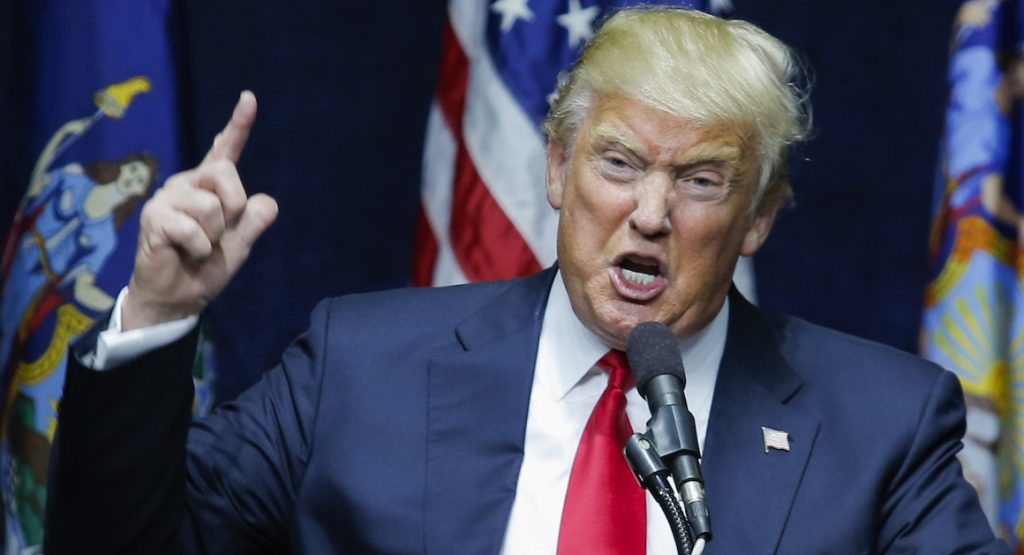
In the ever-evolving landscape of Web3, where protocols and first principles ought to reign supreme, a peculiar and potent force has emerged: the celebrity coin. These tokens, inextricably linked to the persona and influence of a public figure, represent a raw intersection of culture, finance, and technology. From Elon Musk’s market-moving tweets to the direct capitalization on brand by figures like Donald Trump and Kanye West, this trend demands a critical examination. It forces us to ask a fundamental question: What is the real value being traded here — technology, or belief in a personality?

From the lens of someone who has weathered the cycles of this industry for over seven years, the celebrity coin is not an anomaly but a logical, if troubling, evolution. It’s the ultimate expression of the attention economy, ported onto a permissionless financial layer. But not all influence is created equal, and understanding the distinction is key to navigating the noise.

The Archetypes of Influence

We can observe two primary models of the celebrity coin phenomenon.

1. The Endorser-King: Elon Musk is the definitive example. He did not create Dogecoin or Shiba Inu, but his playful yet powerful promotion transformed them from niche internet memes into multi-billion dollar assets. The “Musk Effect” is a case study in narrative power. His influence is indirect but seismic, creating value through association. This model is potent because it maintains a veneer of authenticity; he is a fan, a participant, which galvanizes communities to speculate not just on the coin, but on his next move.

2. The Direct Monetizer: This is a more recent and blatant evolution. Public figures are no longer just endorsing coins; they are becoming the central node of entire ecosystems built around their brand. Donald Trump’s brand, for instance, has inspired a range of crypto ventures, including the meme coin $TRUMP (Official Trump) and broader financial projects like World Liberty Financial (WLFI) and its USD1 stablecoin. Similarly, Kanye West’s YZY token was launched to directly integrate with his fashion and cultural empire.

This model is a direct attempt to convert cultural capital into financial capital. The value proposition is simple: “Bet on me.” The initial surge is often explosive, fueled by media hype and a loyal fanbase. However, the risks are equally stark. These projects often lack clear tokenomics beyond their association with the celebrity, making them highly susceptible to “pump-and-dump” dynamics and leaving retail investors exposed once the initial wave of attention recedes.

The Antidote: Why Ethereum Isn’t a Celebrity Coin

In stark contrast stands Ethereum and its co-founder, Vitalik Buterin. Buterin is arguably the most influential individual builder in the space. In the project’s nascent stages, he was its chief evangelist, tirelessly promoting its vision to secure crucial early funding. Yet, no serious analyst would ever categorize ETH as a celebrity coin.

This distinction is the most important lesson in this entire phenomenon. It rests on a foundation of first principles:

  • Vision Over Vanity: Ethereum’s whitepaper presented a vision for a decentralized “world computer,” a platform for others to build upon. Its value was always predicated on its utility and potential, not on Buterin’s personality. The goal was to empower a network, not enrich a founder.
  • Decentralization as a Deliberate Act: While Buterin provides intellectual leadership, he does not have unilateral control. The open-source nature of the project and the establishment of the non-profit Ethereum Foundation were deliberate choices to distribute power and ensure the platform’s longevity beyond any single individual. Buterin has actively tried to downplay his own centrality, a move antithetical to the celebrity coin playbook.
  • Value Accrual Through Utility: ETH’s value is derived from its function within the network. It is used to pay for transaction fees (gas), participate in DeFi, secure the network through staking, and serves as the base money for the entire NFT ecosystem. There is a direct, verifiable link between the network’s activity and the asset’s value — a link that is absent in tokens whose primary utility is speculation on a celebrity’s fame.

What This Trend Says About Web3’s Soul

The rise of celebrity coins is a symptom of Web3’s ongoing battle for its own soul. Is this a new financial paradigm built on transparency and decentralization, or is it merely a more efficient casino for the attention economy?

From an infrastructure perspective, these hype cycles serve a purpose. They stress-test blockchains, expose scaling bottlenecks, and onboard waves of new users who are drawn in by culture rather than code. However, they also perpetuate the industry’s reputation for being driven by speculation over substance.

For the discerning investor and builder, the lesson is clear. The enduring projects in this space will be those that, like Ethereum, build systems that are resilient to the influence of any single individual. The ultimate test is simple: if the celebrity founder or endorser were to walk away tomorrow, would any value remain?

For most celebrity coins, the answer is a resounding no. Their value is a fragile construct of belief tethered to a single person. For a true Web3 protocol, the departure of a founder, while impactful, would not be a fatal blow. The network, the community, and the utility would endure. And in the long cycle of booms and busts, that is the only principle that truly matters.


The Cult of Personality: Deconstructing the Celebrity Coin Phenomenon in Web3 was originally published in Coinmonks on Medium, where people are continuing the conversation by highlighting and responding to this story.


Market Opportunity
Milady Cult Logo
Milady Cult Price(CULT)
$0.000398
$0.000398$0.000398
+4.79%
USD
Milady Cult (CULT) Live Price Chart
Disclaimer: The articles reposted on this site are sourced from public platforms and are provided for informational purposes only. They do not necessarily reflect the views of MEXC. All rights remain with the original authors. If you believe any content infringes on third-party rights, please contact service@support.mexc.com for removal. MEXC makes no guarantees regarding the accuracy, completeness, or timeliness of the content and is not responsible for any actions taken based on the information provided. The content does not constitute financial, legal, or other professional advice, nor should it be considered a recommendation or endorsement by MEXC.